
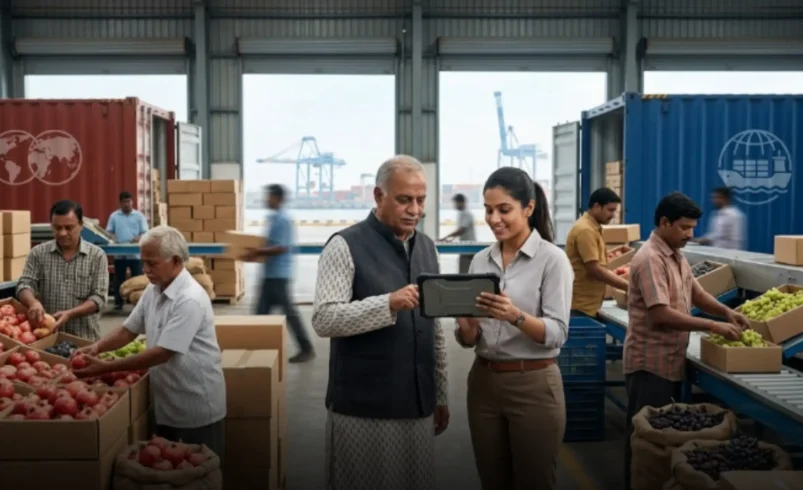

The global agricultural trade industry is entering a major transformation phase in 2026. Rising food demand, changing consumer preferences, supply chain diversification, and stricter quality standards are forcing businesses to rethink sourcing strategies. At the center of this transition are farm produce traders exporters, agricultural produce suppliers, wholesalers, and bulk commodity distributors who are helping global markets maintain stable food supply chains.
From fresh farm produce and grains to edible oils and seafood, B2B buyers are increasingly searching for reliable sourcing partners that can ensure consistency, traceability, and scalable supply. This shift is creating strong opportunities for bulk farm produce suppliers and exporters across emerging agricultural economies.
Rising Demand for Bulk Agricultural Produce
Global food consumption continues to rise due to urbanization, population growth, and increasing processed food demand. According to international agricultural trade estimates, global agri-food trade has crossed trillions of dollars annually, with Asia remaining one of the largest supply and consumption hubs.
This growing demand is benefiting:
Farm produce traders wholesalers
Bulk agricultural produce exporters
Organic farm produce suppliers
Fresh fruits and vegetables traders
Grains and cereals traders
Buyers are now prioritizing suppliers who can provide uninterrupted supply, quality assurance, and competitive pricing.
Why Farm Produce Traders Are Becoming More Important
Agricultural trade is no longer limited to traditional mandis or local distribution channels. Modern farm produce traders suppliers now operate within global supply chains involving exporters, processors, retailers, and food manufacturers.
The role of farm produce traders manufacturers and exporters includes:
Aggregating produce from multiple farms
Sorting and grading products
Managing packaging and logistics
Ensuring compliance with import regulations
Maintaining supply continuity throughout the year
This makes traders essential for connecting farmers with industrial buyers and international markets.
Bulk Farm Produce Is Driving B2B Procurement
Large-scale buyers such as supermarkets, food processing companies, hotel chains, and exporters require bulk farm produce in consistent quantities.
A professional bulk farm produce supplier can help buyers with:
Stable procurement cycles
Better pricing through volume supply
Reduced sourcing risks
Faster logistics coordination
Seasonal inventory planning
Bulk procurement is especially important for businesses dealing with food manufacturing, exports, institutional catering, and retail distribution.
Fresh Fruits and Vegetables Trade Is Expanding Rapidly
The global demand for fresh farm produce is increasing due to changing food habits and growing health awareness.
Fresh fruits and vegetables traders are seeing strong opportunities in:
Ready-to-eat food supply chains
Supermarket retail networks
Hospitality and catering industries
International fruit export markets
Cold chain infrastructure and faster transportation are helping suppliers maintain freshness and reduce wastage.
High-quality fresh farm produce suppliers are investing heavily in:
Temperature-controlled logistics
Modern packaging systems
Quality inspection processes
Farm traceability systems
These investments are improving buyer confidence in agricultural sourcing.
Grains and Cereals Continue to Dominate Global Trade
Despite growth in premium food categories, grains and cereals traders continue to control a major portion of agricultural commerce.
Products such as:
Rice
Wheat
Corn
Pulses
Barley
remain critical for food security and industrial food processing.
Bulk agricultural produce exporters dealing in grains benefit from:
Long shelf life products
High-volume transactions
Strong international demand
Easier warehousing and shipping
Global disruptions in supply chains have also encouraged countries to diversify sourcing partners, opening new opportunities for exporters.
Edible Oils Traders Are Seeing Growing Demand
The edible oils market remains one of the fastest-moving agricultural sectors globally.
Edible oils traders are supplying products such as:
Palm oil
Mustard oil
Sunflower oil
Soybean oil
Groundnut oil
Demand is rising from both retail consumers and food manufacturing industries.
Price volatility and geopolitical tensions continue to influence edible oil markets, making reliable suppliers increasingly valuable.
Meat, Poultry, and Seafood Trade Is Becoming Highly Specialized
Meat poultry seafood traders operate in one of the most regulated segments of agricultural trade.
Global buyers now expect:
Strict hygiene standards
International certifications
Efficient cold chain management
Transparent sourcing systems
Seafood exports in particular are witnessing strong demand across Europe, the Middle East, and East Asia.
Businesses capable of maintaining compliance and quality consistency are gaining significant advantages in export markets.
Organic Farm Produce Is No Longer a Niche Segment
Organic food consumption is growing rapidly worldwide, creating strong demand for organic farm produce wholesalers and suppliers.
Buyers are actively sourcing:
Chemical-free fruits and vegetables
Organic grains and pulses
Sustainable edible oils
Naturally cultivated agricultural products
Organic farm produce suppliers are benefiting from premium pricing and growing export demand.
Businesses looking to enter this segment are focusing on:
Organic certification
Sustainable farming partnerships
Traceability systems
Eco-friendly packaging solutions
An organic farm produce wholesaler with reliable certification processes can attract long-term international buyers.
Technology Is Reshaping Agricultural Trade
Digital transformation is changing how agricultural sourcing works.
Modern agricultural produce suppliers are increasingly using:
Digital B2B platforms
Inventory management systems
AI-based demand forecasting
Supply chain tracking software
Online buyer-seller marketplaces
This improves transparency and reduces transaction delays.
Digital sourcing platforms are also helping SMEs and exporters connect directly with global buyers without relying completely on intermediaries. To understand how digital transformation is reshaping B2B trade at a broader level, read Digital Transformation in B2B Trade: How Pepagora is Leading the Change.
Key Challenges Facing Agricultural Traders
Despite strong opportunities, the industry still faces several challenges.
Price Fluctuations — Agricultural commodities are highly sensitive to weather conditions, fuel prices, and geopolitical events.
Logistics Costs — Transportation and cold chain management continue to increase operational expenses.
Compliance Requirements — Export markets now require stricter food safety certifications and documentation.
Supply Consistency — Seasonal variations often create procurement instability.
To overcome these challenges, farm produce traders exporters are investing in stronger sourcing networks and better infrastructure.
What Global Buyers Expect in 2026
International buyers are becoming more selective.
They expect suppliers to provide:
Consistent product quality
Timely shipments
Clear communication
Competitive pricing
Sustainable sourcing practices
Proper export documentation
A premium farm produce supplier that combines quality with operational efficiency can secure long-term contracts more easily.
India’s Growing Role in Agricultural Exports
India continues to strengthen its position as a major agricultural exporter.
The country exports:
Rice and cereals
Spices and herbs
Fruits and vegetables
Seafood products
Edible oils and processed foods
Government initiatives promoting agricultural exports and food processing infrastructure are further supporting growth in the sector.
Bulk agricultural produce exporters from India are increasingly targeting:
Middle East markets
Southeast Asia
Europe
Africa
The expansion of trade agreements is also expected to improve export competitiveness.
Future Outlook for Farm Produce Traders and Exporters
The agricultural trade industry is expected to become more structured, technology-driven, and compliance-focused over the next few years.
Businesses that invest in:
Modern logistics
Digital visibility
Sustainable sourcing
Product traceability
Strong buyer relationships
will be better positioned for long-term growth.
The future belongs to suppliers who can combine scale with reliability.
Final Thoughts
The role of farm produce traders exporters is becoming increasingly important in global food supply chains. As demand for bulk farm produce, fresh agricultural products, edible oils, grains, and organic food continues to grow, businesses must focus on quality, operational efficiency, and export readiness.
Whether working as agricultural produce suppliers, wholesalers, exporters, or specialized traders, companies that build trust and consistency will gain the strongest advantage in 2026 and beyond.
Reliable sourcing is no longer just a business function. It has become a competitive strategy in global agriculture.