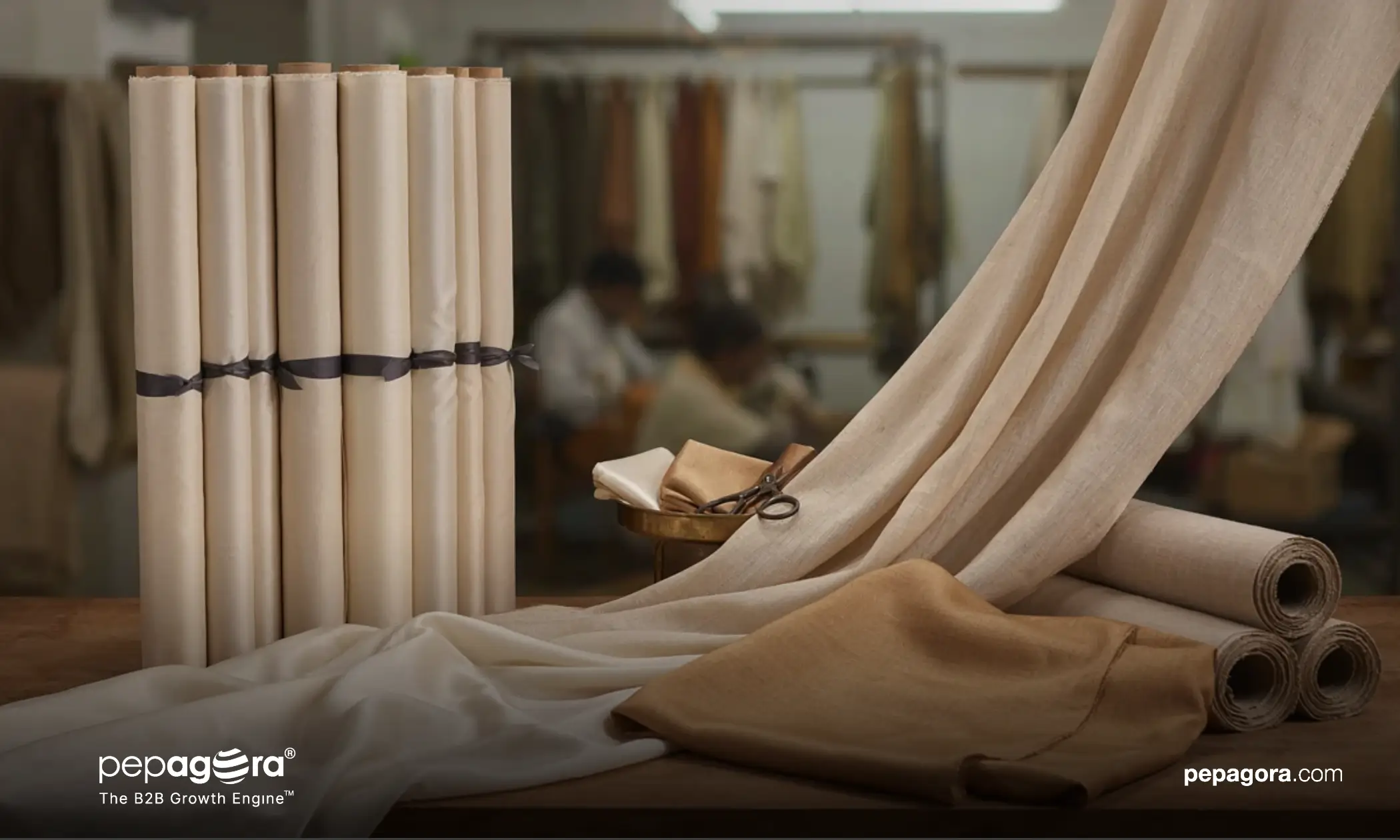
India has a well-established textile industry, offering a wide range of fabrics and apparel products for clothing manufacturers, fashion designers, wholesalers, and retailers. Among the popular choices, silk and linen

India has a well-established textile industry, offering a wide range of fabrics and apparel products for clothing manufacturers, fashion designers, wholesalers, and retailers. Among the popular choices, silk and linen
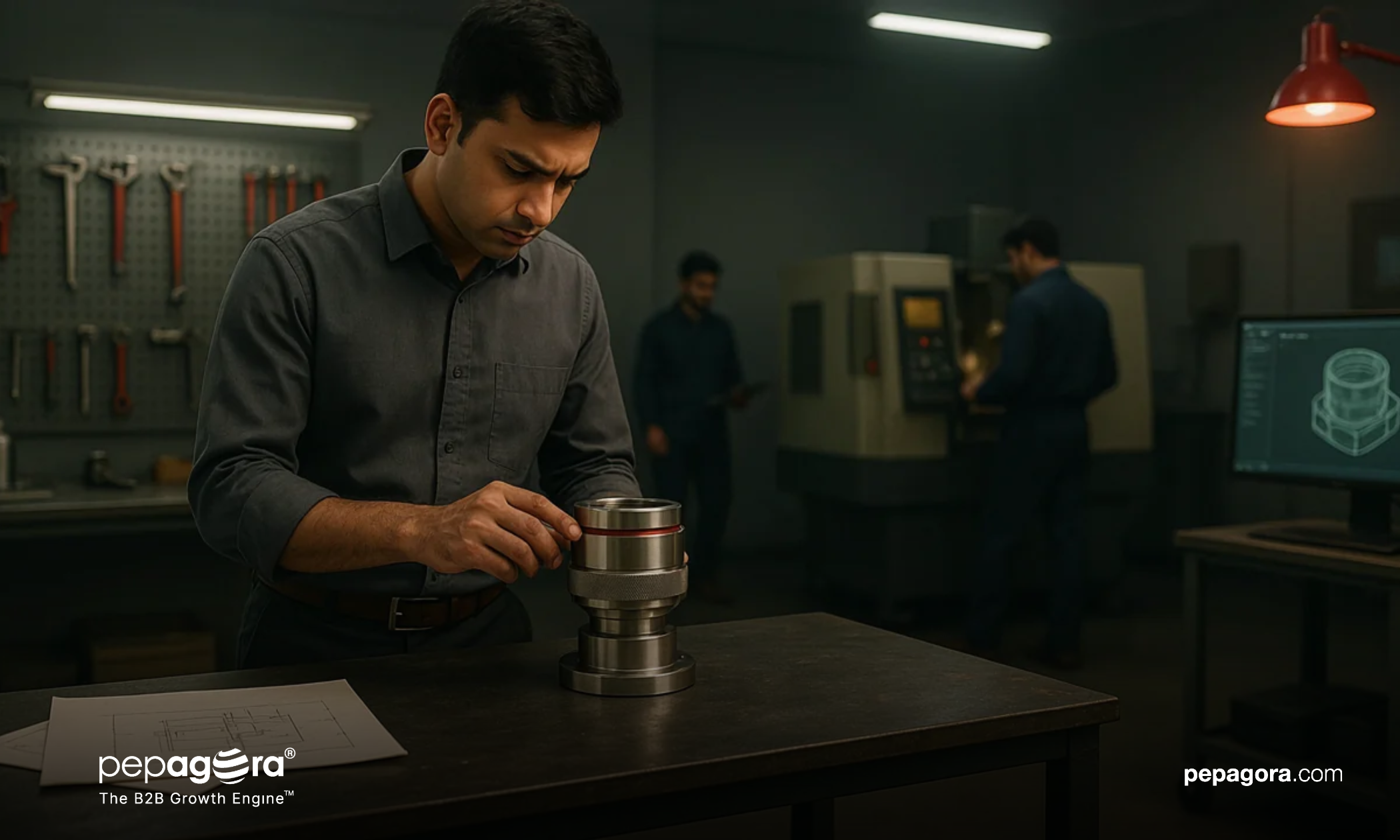
A growing focus on innovation and intellectual property protection is creating new possibilities for Indian micro, small and medium enterprises (MSMEs), particularly manufacturers that have traditionally operated as job-work contractors

Electricity is a significant operating expense for many manufacturing businesses. From running motors and compressors to powering furnaces, pumps and production equipment, small factories consume energy throughout their operations. Yet,

For India’s micro, small and medium enterprises (MSMEs), business growth has traditionally been closely linked to securing new orders and increasing product sales. However, a growing focus on customer experience,
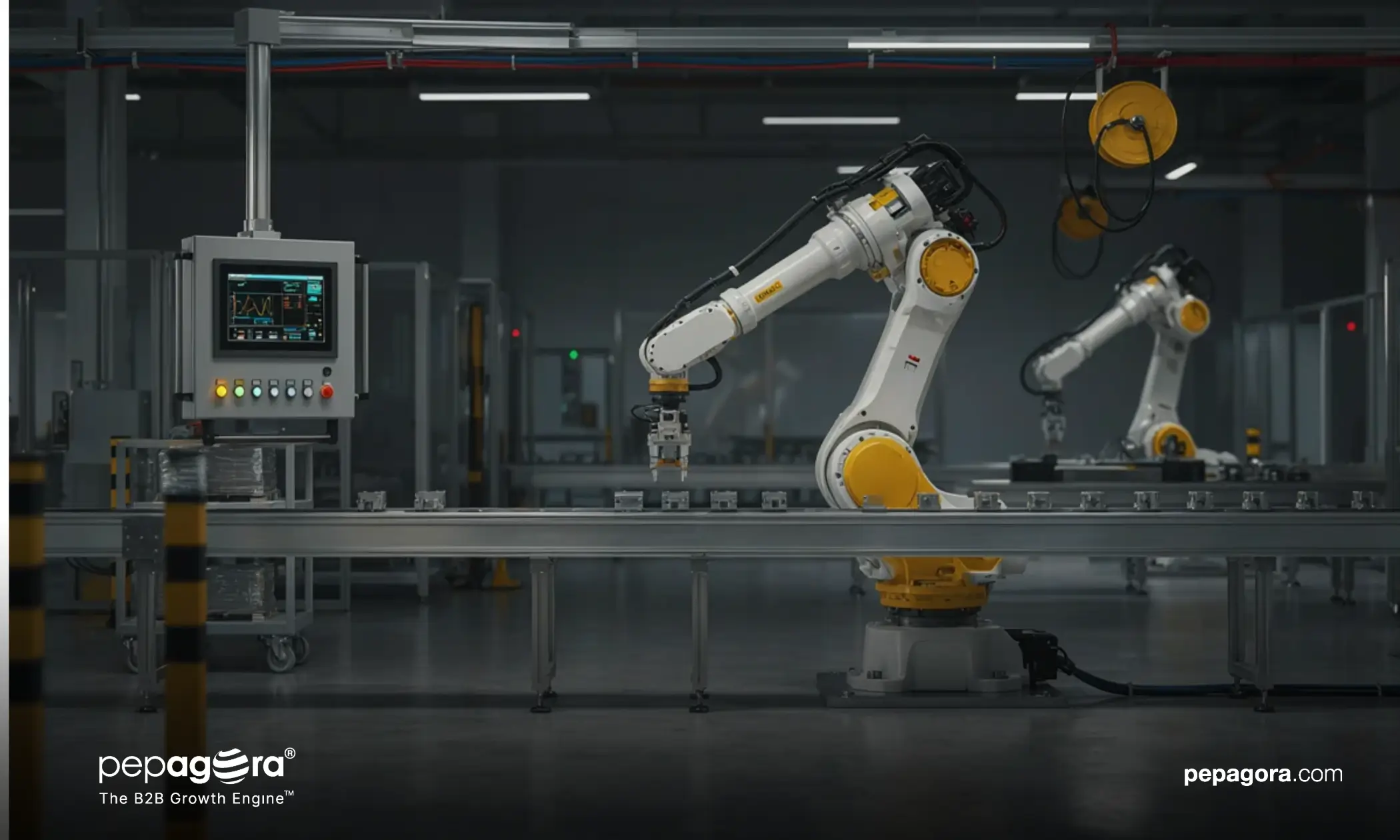
Automation equipment and robotics are transforming how industries manufacture products, manage materials, and perform repetitive or precision-based tasks. From automotive assembly lines and electronics production to packaging, warehousing, and food

Digital Procurement Creates New Market Access for Indian MSMEs Digital procurement marketplaces are emerging as an important channel for Indian micro, small and medium enterprises (MSMEs) seeking to connect with
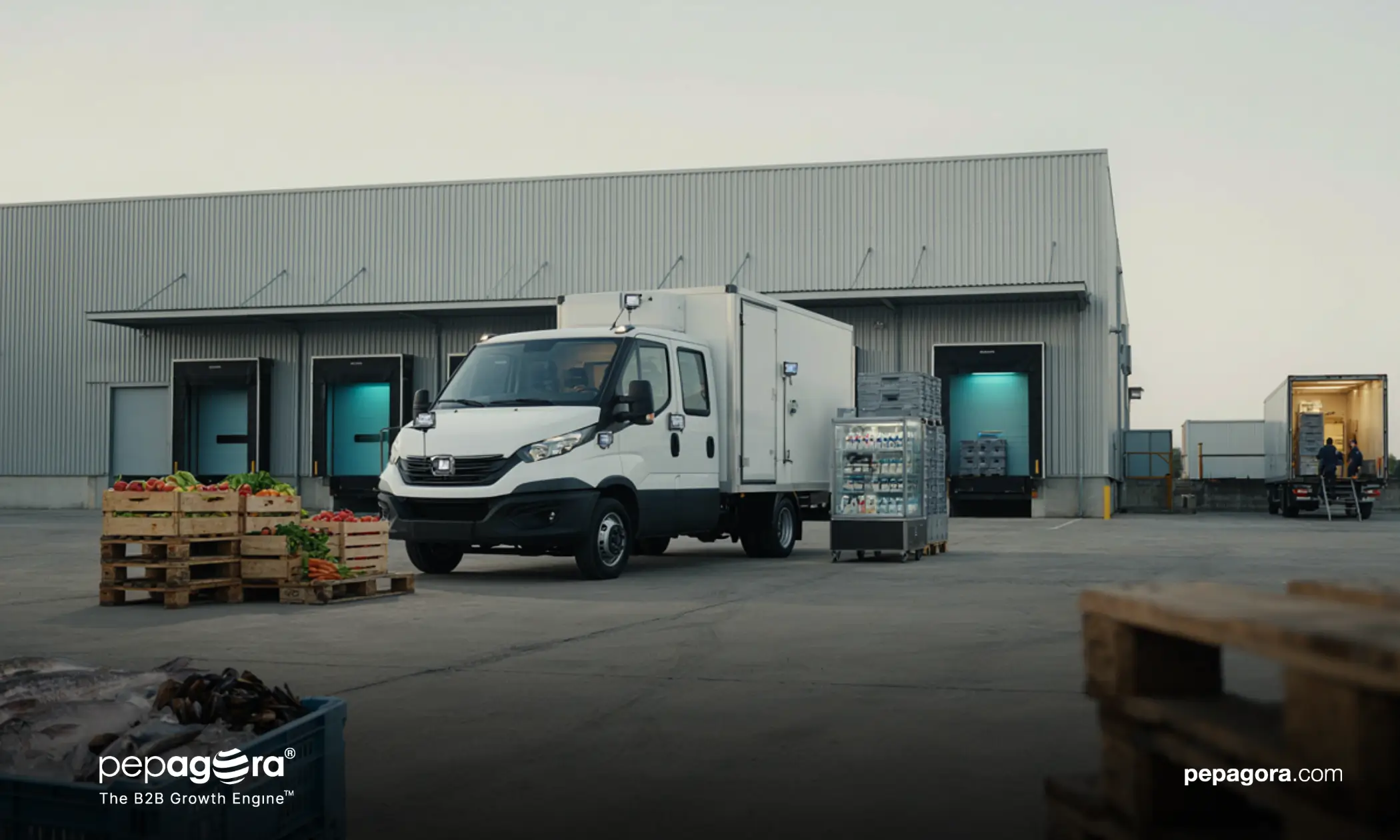
Many products cannot be transported or stored under ordinary conditions without losing their quality, safety, or effectiveness. Fresh fruits and vegetables, dairy products, seafood, frozen foods, vaccines, medicines, and certain
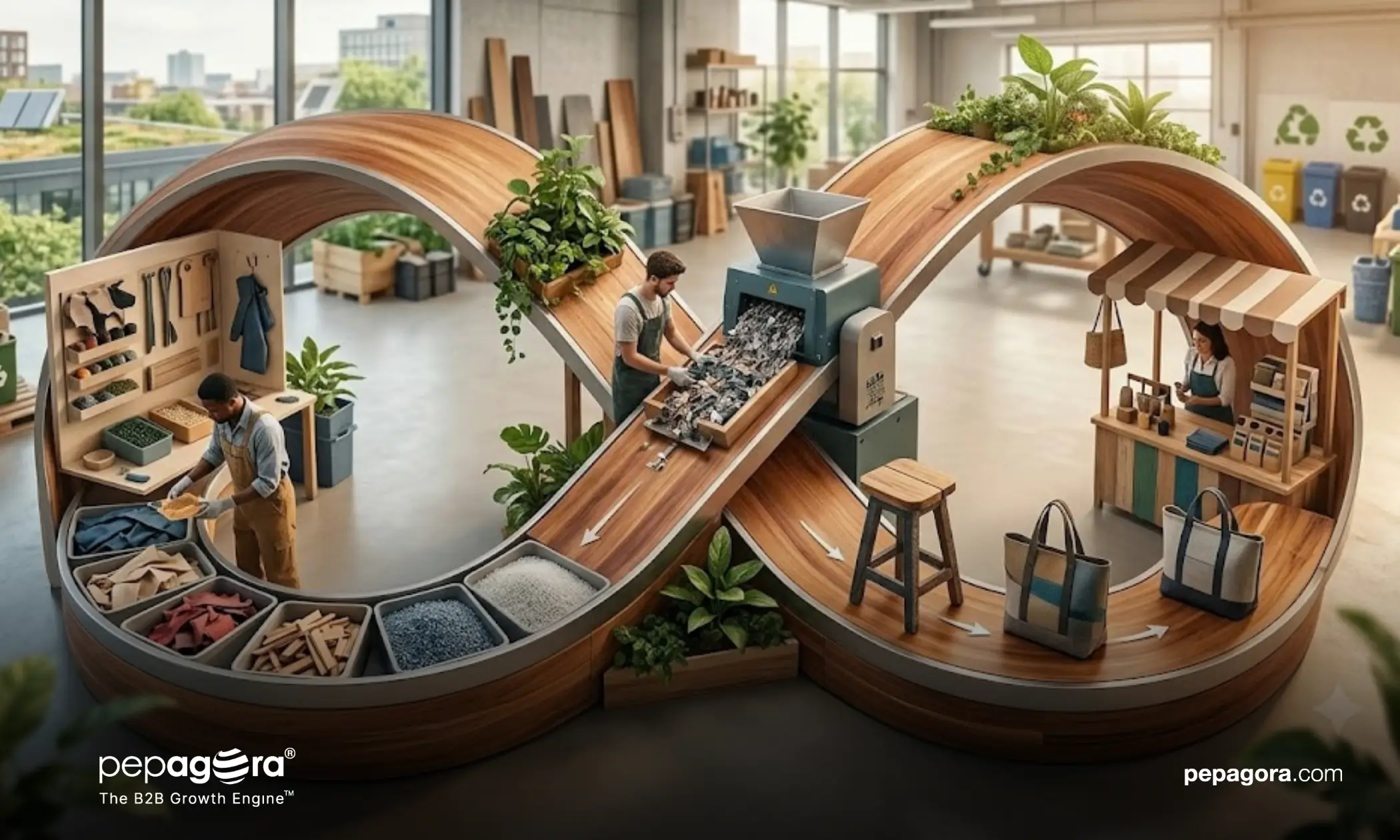
For many businesses, waste is treated as an unavoidable operating cost. But in a circular economy, discarded materials can become inputs for another product, process or business. This shift is
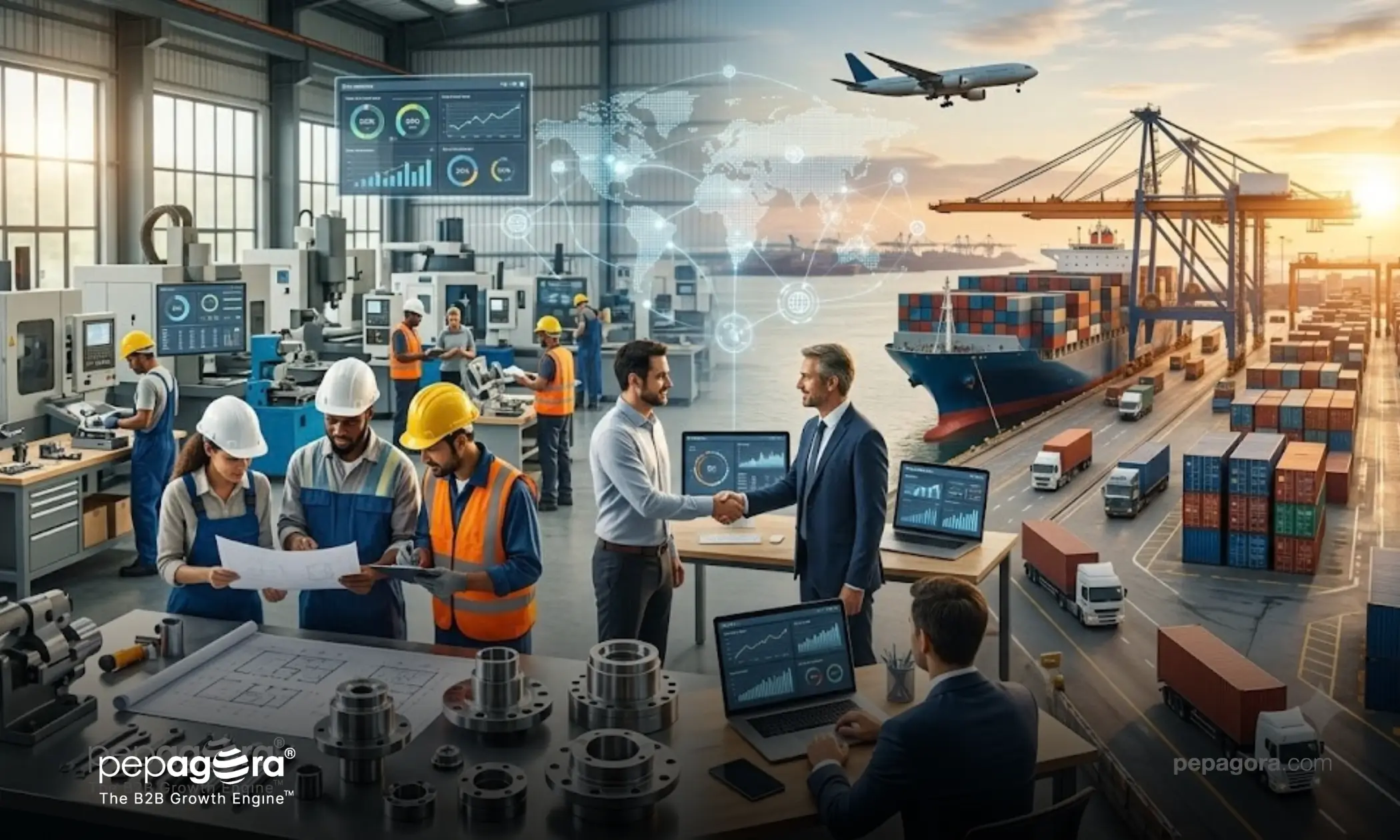
For many MSMEs, becoming a supplier to a large domestic company is an important milestone. But the next opportunity lies in becoming part of international supply chains, where businesses can supply
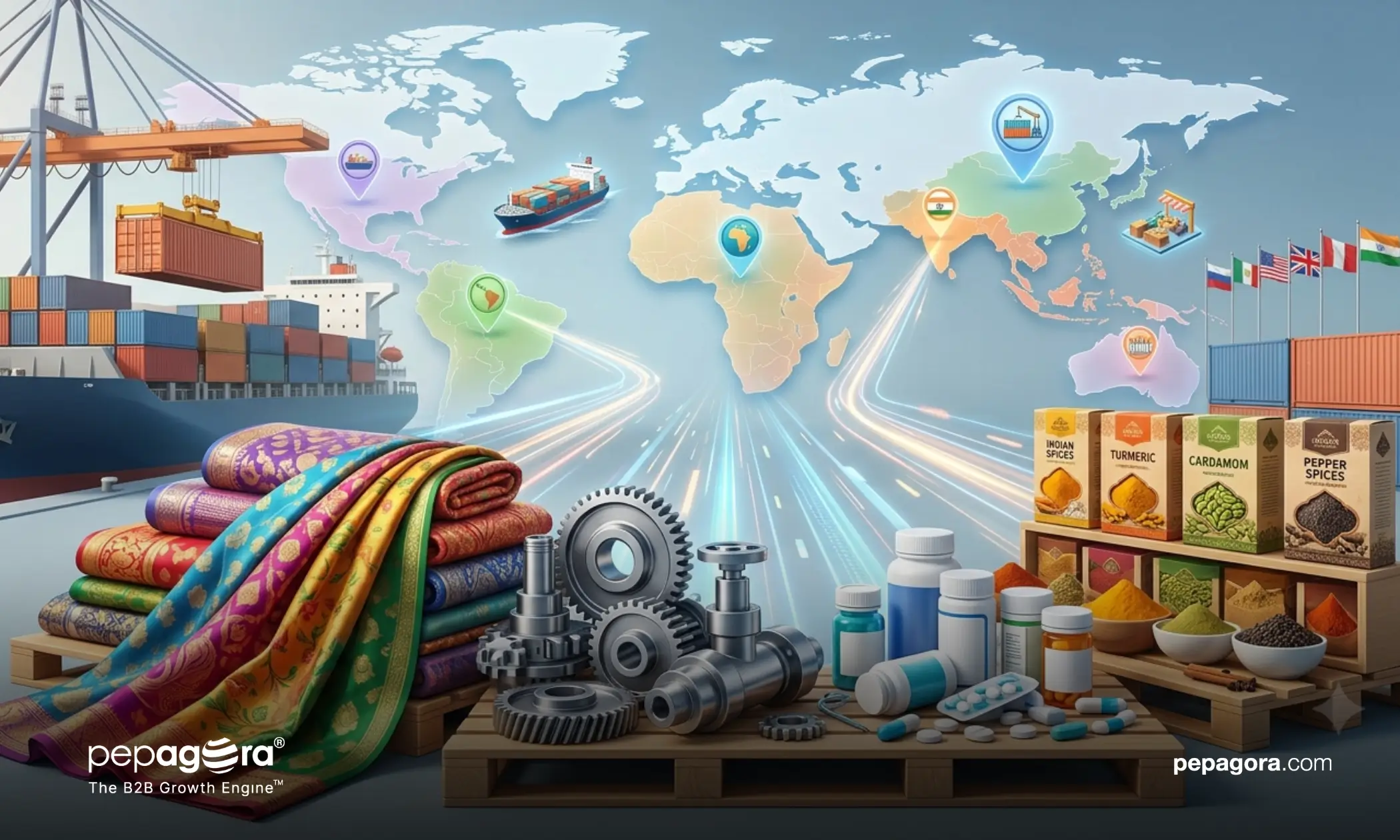
Exporting to one successful region can help an MSME establish itself internationally. But depending heavily on a single market can also expose the business to changes in demand, tariffs, regulations,