
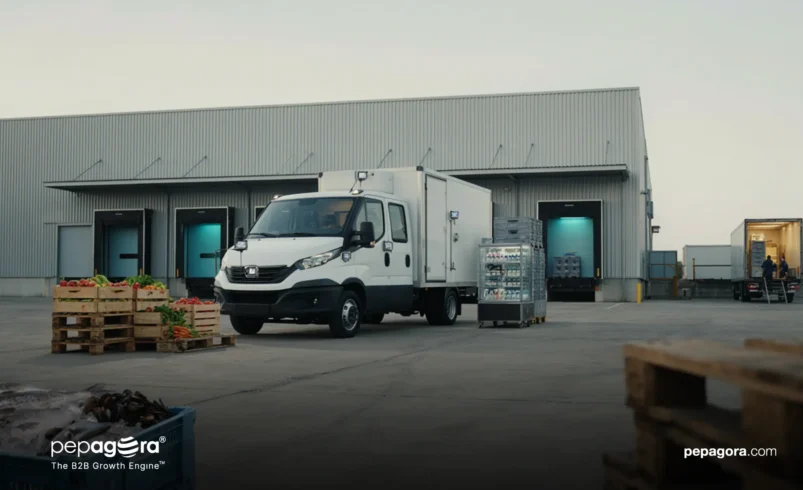

Many products cannot be transported or stored under ordinary conditions without losing their quality, safety, or effectiveness. Fresh fruits and vegetables, dairy products, seafood, frozen foods, vaccines, medicines, and certain chemicals require carefully controlled temperatures throughout their journey. This is where cold chain logistics becomes essential.
A cold chain is a temperature-controlled supply network that maintains suitable conditions during storage, handling, transportation, and delivery. When managed properly, it helps reduce spoilage, preserve product quality, extend shelf life, and minimise financial losses. For businesses operating in food processing, pharmaceuticals, agriculture, and healthcare, choosing the right cold chain solution can directly influence operational efficiency and customer satisfaction.
Understanding How Cold Chain Logistics Works
Cold chain logistics involves much more than keeping products inside a refrigerated vehicle or warehouse. It requires coordination between storage facilities, transportation systems, packaging, monitoring equipment, and trained personnel.
The process typically begins when temperature-sensitive products are prepared for storage or dispatch. Depending on the product, they may need chilling, freezing, or another specified temperature range. Products are then stored in suitable facilities until they are ready for transportation.
During transit, refrigerated vehicles or specialised containers help maintain the required conditions. At delivery points, products must be unloaded, inspected, and transferred to appropriate storage without unnecessary exposure to unsuitable temperatures.
Every stage matters. A shipment may be stored correctly at a warehouse but still suffer quality loss if loading takes too long or the refrigeration system fails during transit. Effective cold chain management therefore focuses on maintaining temperature control from the point of origin to the final destination.
Why Cold Storage Facilities Are Important
Cold storage facilities allow businesses to preserve temperature-sensitive products until they are needed for processing, distribution, or sale. They are particularly important for agricultural producers, food distributors, pharmaceutical companies, and retailers managing perishable inventory.
Different products require different storage conditions. Fresh produce may need refrigeration and humidity control, while frozen foods require consistently low temperatures. Pharmaceutical products may have specific storage ranges defined by their approved handling instructions.
Reliable Cold Storage Operators manage the equipment, storage environment, inventory movement, and operational procedures needed to protect products. When selecting a facility, businesses should assess temperature capacity, storage configuration, hygiene standards, power backup, monitoring systems, and handling procedures.
Storage capacity is another important consideration. Businesses should determine their peak inventory requirements, expected storage duration, seasonal demand, and product segregation needs before selecting a facility.
A suitable cold storage facility should also support efficient loading and unloading. Poorly organised movement can create delays, increase energy consumption, and expose products to temperature fluctuations.
The Role of Cold Chain Service Providers
Cold Chain Service Providers help businesses manage one or more stages of temperature-controlled distribution. Depending on their capabilities, they may offer refrigerated storage, transportation, packaging coordination, shipment monitoring, and distribution planning.
Working with an experienced provider can help businesses avoid the cost and complexity of building their own cold chain infrastructure. This can be particularly useful for smaller food producers, regional distributors, and companies entering new markets.
Before selecting a provider, businesses should clarify which services are included and how responsibilities are divided. Important questions include whether the provider supports the required temperature range, monitors shipments continuously, maintains equipment, and has contingency procedures for refrigeration failures.
Businesses should also examine delivery coverage, service reliability, documentation practices, and the provider’s ability to handle seasonal fluctuations in demand.
Clear service agreements help establish expectations for temperature management, reporting, delivery schedules, and incident handling.
Why Refrigerated Transporters Matter
Transportation is one of the most sensitive stages of the cold chain because products may encounter changing weather conditions, traffic delays, loading interruptions, and long travel distances.
Refrigerated Transporters use temperature-controlled vehicles to move perishable products between farms, processing facilities, warehouses, distribution centres, hospitals, and retail outlets. Vehicle suitability depends on the product, shipment size, travel duration, and required temperature range.
When selecting a refrigerated transporter, businesses should consider the following factors:
- Temperature capability: The vehicle must maintain the product’s specified conditions throughout the journey.
- Vehicle condition: Refrigeration units, door seals, insulation, and temperature sensors should be inspected and maintained.
- Capacity and configuration: The vehicle should accommodate the shipment without obstructing airflow.
- Monitoring and records: Temperature logs help verify that suitable conditions were maintained during transit.
- Delivery reliability: Route planning and realistic delivery schedules reduce unnecessary delays.
- Emergency procedures: Providers should have a clear response plan for equipment failures, breakdowns, and unexpected delays.
Pre-cooling vehicles when required, minimising loading time, and avoiding unnecessary door openings can help maintain stable temperatures. Products should also be loaded according to established handling procedures so that refrigerated air can circulate effectively.
How Cold Chain Logistics Companies Improve Efficiency
Cold Chain Logistics Companies coordinate multiple activities to keep products moving safely through the supply chain. Their role may include warehouse coordination, vehicle scheduling, inventory tracking, shipment planning, and communication between suppliers and buyers.
An integrated logistics approach can reduce unnecessary transfers, improve delivery planning, and make it easier to trace shipments. Businesses handling products across multiple locations may benefit from a provider that can coordinate storage and transportation through a single operating process.
Technology also plays an increasingly important role. Temperature sensors, digital data loggers, GPS tracking, and warehouse management systems help operators monitor shipments and identify problems earlier. Some systems can send alerts when temperatures move outside specified limits, allowing teams to investigate and take corrective action.
However, monitoring technology is only effective when supported by clear procedures. Businesses must decide who receives alerts, who investigates deviations, how incidents are documented, and whether affected products require further assessment before use or sale.
Choosing Refrigerated Warehouse Suppliers
Refrigerated Warehouse Suppliers can support businesses seeking suitable cold storage infrastructure, equipment, or warehouse-related solutions, depending on the services they offer. Buyers should distinguish between companies that provide warehouse space and those that supply refrigeration equipment or warehouse systems.
For businesses evaluating refrigerated storage options, important factors include insulation quality, refrigeration capacity, energy efficiency, temperature uniformity, monitoring arrangements, and maintenance support.
Facilities handling different product categories may require separate temperature zones. This helps prevent unsuitable storage conditions and supports the segregation of products with different handling requirements.
Energy consumption is another major consideration because refrigeration can account for a significant share of warehouse operating costs. Efficient insulation, well-maintained equipment, appropriate door management, and effective stock rotation can help control energy use without compromising product requirements.
Businesses should also evaluate the facility’s ability to maintain operations during power interruptions. Backup power arrangements, emergency response procedures, and preventive maintenance can help reduce the risk of temperature excursions.
Understanding Temperature Controlled Logistics
Temperature Controlled Logistics covers the planning and management of shipments that must remain within specified environmental conditions. Although refrigeration is common, not every temperature-sensitive product requires the same treatment. Some products need chilled conditions, others require frozen storage, and certain pharmaceutical or chemical products may have more specific requirements.
The correct temperature range should be based on product specifications and applicable handling guidance rather than a general assumption that colder is always better. Some products can be damaged by freezing, while others deteriorate when exposed to excessive heat.
Businesses should define handling requirements before dispatch and communicate them to storage operators, transporters, and receiving teams. Packaging, loading procedures, transit duration, and storage conditions should all support those requirements.
Maintaining records across the supply chain improves traceability and helps businesses investigate quality concerns. For regulated products, appropriate documentation and validated procedures may also be essential.
Common Cold Chain Challenges and How to Address Them
Cold chain operations can face several challenges, including equipment failure, inconsistent monitoring, poor loading practices, delivery delays, and high energy costs.
Businesses can reduce these risks through preventive maintenance, staff training, suitable packaging, backup arrangements, and regular review of temperature records. Route planning and accurate demand forecasting can also reduce unnecessary storage and transportation pressure.
Inventory management is equally important. Applying appropriate stock rotation methods helps ensure products are dispatched within their usable life. Receiving teams should inspect deliveries and follow established procedures when temperature records indicate a possible deviation.
Conclusion
Cold chain logistics is essential for preserving the quality, safety, and effectiveness of products that require controlled temperatures. From agricultural produce and frozen foods to medicines and healthcare supplies, successful cold chain management depends on reliable storage, suitable transportation, accurate monitoring, and coordinated handling.
By evaluating Cold Chain Service Providers, Cold Storage Operators, Refrigerated Transporters, Cold Chain Logistics Companies, Refrigerated Warehouse Suppliers, and Temperature Controlled Logistics solutions according to their capabilities and reliability, businesses can build a more efficient supply chain. Investing in proper planning, monitoring, and maintenance helps reduce product losses, improve delivery performance, and protect product quality from origin to destination. Register on www.Pepagora.com to get free quotes from trusted suppliers.
FAQS about cold chain logistics
Cold chain logistics is a temperature-controlled supply process used to store, handle, and transport products under suitable conditions. It helps preserve product quality, maintain safety, extend shelf life, and reduce spoilage.
Products that may require cold chain logistics include fresh fruits and vegetables, dairy products, seafood, frozen foods, vaccines, medicines, and certain chemicals. Each product requires specific temperature conditions based on its storage and handling requirements.
Cold chain logistics helps businesses reduce losses by maintaining suitable temperatures during storage and transportation. Temperature monitoring, proper packaging, equipment maintenance, and efficient handling can reduce spoilage and protect product quality.
Businesses should assess storage capacity, temperature control, hygiene standards, power backup, monitoring systems, equipment maintenance, and loading facilities. The facility should also meet the specific storage requirements of the products being handled.
Cold chain service providers can support businesses through refrigerated storage, temperature-controlled transportation, shipment monitoring, and distribution planning, depending on their services. Choosing a suitable provider can help improve product handling and reduce the risk of temperature-related damage.
