
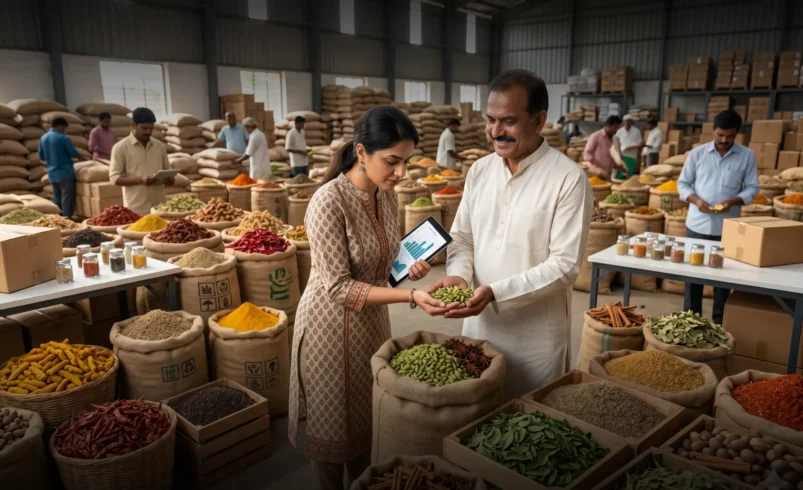

The global demand for spices herbs and herbal products is witnessing consistent growth, driven by rising consumer interest in natural ingredients, functional foods, and diverse cuisines. For B2B buyers, distributors, and exporters, sourcing high-quality seasoning ingredients has become a strategic priority to meet both domestic and international demand.
From bulk spices to specialized spice blends, businesses must focus on quality, supply chain efficiency, and reliable sourcing partners to stay competitive in this expanding market.
Growing Demand for Spices and Herbal Products
Spices and herbs have moved beyond traditional culinary use and are now widely used in food processing, pharmaceuticals, nutraceuticals, and cosmetics.
Key demand drivers include:
Increasing global consumption of ethnic cuisines
Rising demand for natural and organic ingredients
Growth in processed and packaged food industries
Expanding use of herbal products in wellness sectors
This trend is creating strong opportunities for spices and herbs exporters and suppliers worldwide.
Importance of Bulk Sourcing in B2B Trade
Large-scale buyers require bulk spices to ensure consistency, cost efficiency, and uninterrupted supply.
Working with a bulk spices supplier offers:
Competitive pricing through volume procurement
Uniform quality across batches
Reliable supply for large orders
Simplified logistics and inventory management
Better margins for distributors and processors
A bulk spice blends wholesaler is especially important for businesses dealing in ready-to-use seasoning solutions.
Role of Manufacturers in Quality and Innovation
Spices and herbs manufacturers play a crucial role in maintaining product quality and developing innovative offerings.
Leading herbs manufacturers and spice blends manufacturers focus on:
Advanced processing techniques to retain flavor and aroma
Hygienic production environments
Standardization of spice blends
Development of customized seasoning solutions
Businesses that partner with experienced manufacturers gain access to consistent and high-quality products. To understand how sustainable food and agriculture practices are shaping sourcing decisions globally, read Sustainable Food and Agriculture Practices to Watch in 2026.
Choosing the Right Suppliers for Reliability
Selecting dependable spices and herbs suppliers is essential for maintaining product quality and meeting customer expectations.
Key factors to consider include:
Sourcing practices and raw material quality
Processing and packaging standards
Supply capacity and delivery timelines
Certifications and compliance with food safety regulations
Herbs suppliers and spice blends suppliers with strong quality control systems ensure consistent product performance.
Role of Wholesalers and Exporters in Market Expansion
Spices and herbs wholesalers act as key intermediaries, ensuring wide distribution across domestic markets.
On the global front, spices and herbs exporters manage:
International logistics and documentation
Compliance with import and export regulations
Bulk order handling
Packaging suited for long-distance transport
Herbs exporters and spice blends exporters enable businesses to expand into international markets efficiently.
Spice Blends: Adding Value to B2B Offerings
Spice blends are gaining popularity due to their convenience and consistency in flavor.
Advantages include:
Ready-to-use formulations for food processing
Standardized taste across batches
Reduced preparation time for end users
Customization based on regional preferences
Working with reliable spice blends manufacturers ensures quality and innovation in product offerings.
Organic and Premium Segment Growth
The demand for organic spices supplier networks is increasing as consumers become more health-conscious.
A premium herbs exporter typically offers:
High-grade raw materials
Advanced processing methods
Strict quality control measures
Export-ready packaging
Similarly, a high-quality herbal products supplier focuses on delivering products that meet both culinary and medicinal standards.
Quality Parameters That Define Product Excellence
Quality is critical in spices and herbs due to their direct impact on taste, safety, and shelf life.
Key indicators include:
Purity and absence of contaminants
Aroma, color, and flavor consistency
Moisture content and shelf stability
Compliance with food safety standards
Proper packaging and storage conditions
Working with established spices and herbs suppliers ensures adherence to these quality benchmarks.
Logistics and Storage Considerations
Efficient logistics are essential to maintain product quality during transportation.
Important considerations include:
Moisture-resistant and airtight packaging
Temperature-controlled storage when required
Timely delivery to prevent quality degradation
Proper labeling and documentation
Experienced spices and herbs exporters ensure that products reach international markets in optimal condition.
Pricing Strategy in Bulk Procurement
Pricing depends on factors such as quality, origin, processing standards, and order volume.
Buyers should evaluate:
Cost per unit in bulk purchases
Quality versus price balance
Seasonal price fluctuations
Long-term supply agreements
Direct sourcing from spices and herbs wholesalers or manufacturers often provides better value.
Building Long-Term Supplier Relationships
Strong partnerships with suppliers are essential for consistent quality and supply.
Best practices include:
Clear communication of specifications
Regular quality checks and feedback
Timely payments
Long-term contracts for stability
Reliable relationships lead to better pricing, priority supply, and consistent product quality.
Emerging Trends in the Spices and Herbs Industry
The industry is evolving with changing consumer preferences and technological advancements.
Key trends include:
Growth in demand for organic and natural products
Increased focus on traceability and transparency
Expansion of value-added products like spice blends
Rising exports to global markets
Spices and herbs manufacturers and suppliers are adapting to these trends to meet future demand.
Final Thoughts
The spices herbs and seasoning ingredients market offers significant opportunities for B2B businesses. Success in this sector depends on sourcing high-quality products, building reliable supplier networks, and adopting efficient procurement strategies.
Whether working with spices and herbs manufacturers, sourcing from a bulk spices supplier, or expanding globally through spices and herbs exporters, every decision impacts product quality and business growth.
A well-structured sourcing approach, supported by strong partnerships and quality evaluation, can help businesses thrive in the competitive global spices market.