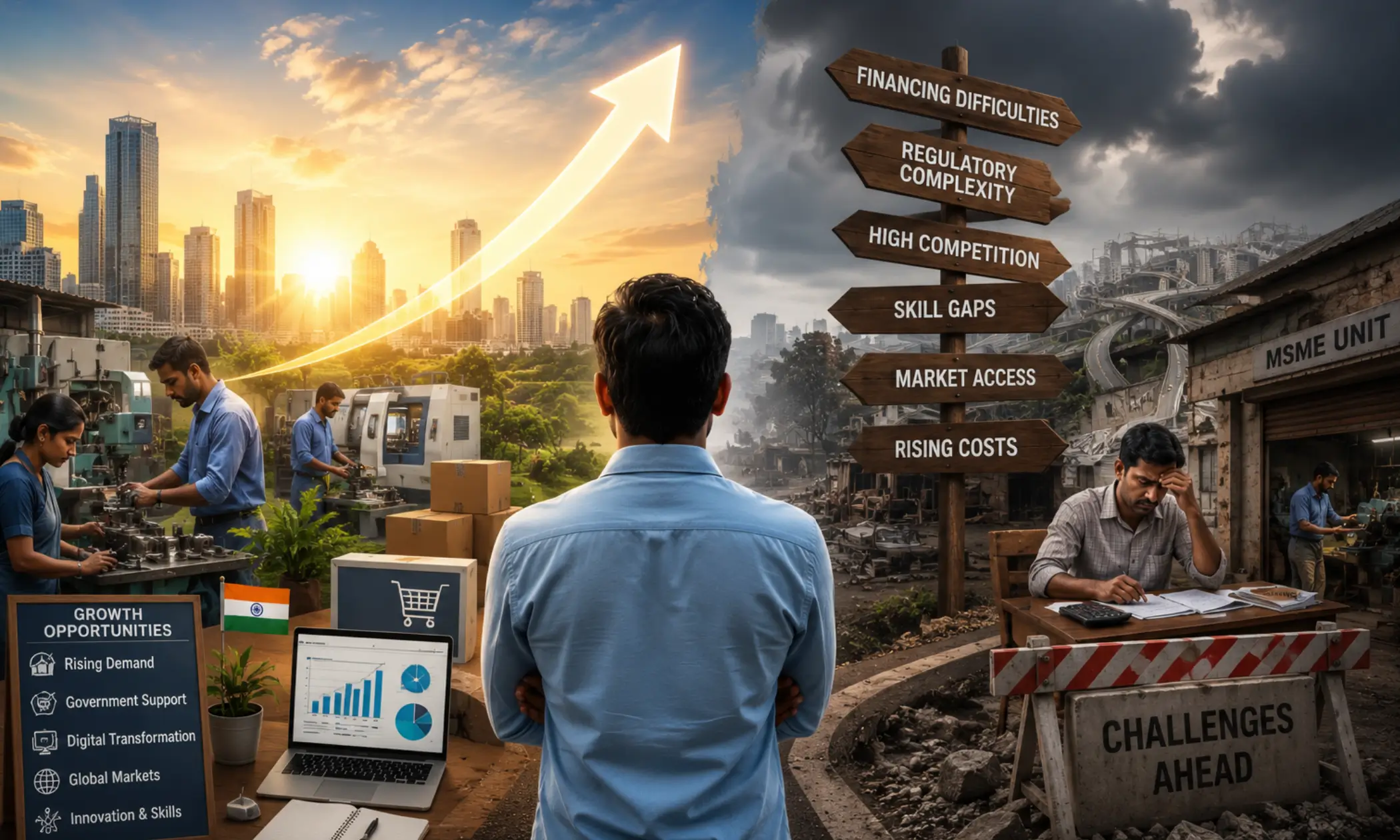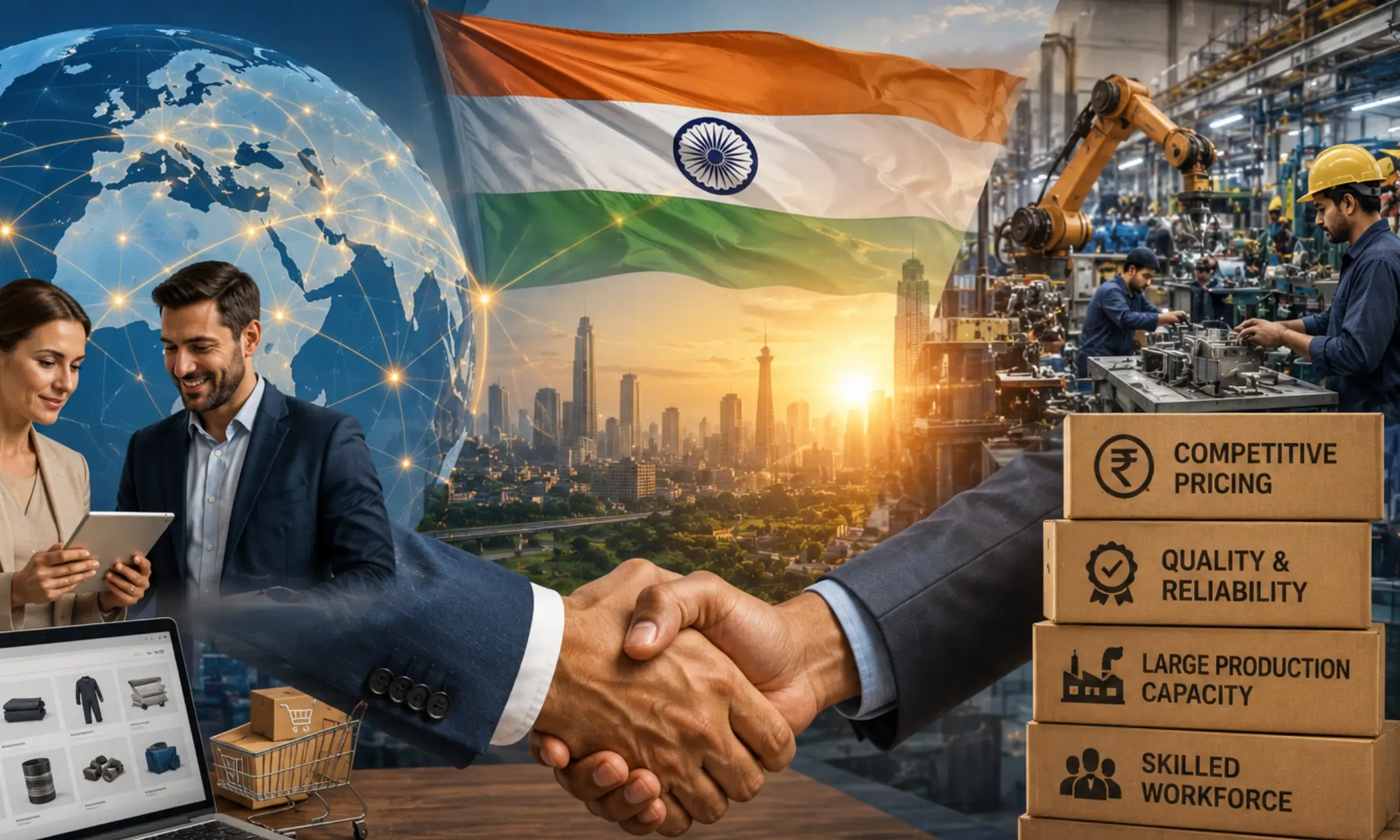

In a strategic move to deepen economic ties, India and Poland met in New Delhi to explore new avenues of collaboration in the Micro, Small, and Medium Enterprises (MSME) sector.
The bilateral meeting took place at Kartavya Bhawan between a high-level Polish delegation—led by Deputy Minister Michał Baranowski of Poland’s Ministry of Economic Development and Technology—and officials from India’s Ministry of MSME, led by MSME Secretary Bharat Khera.
📌 Key Highlights of the Bilateral Dialogue
- Core Focus Areas: Deepening joint efforts in enterprise development, digital transformation, technology adoption, innovation, market linkages, and cross-border trade.
- Building on Existing Coalitions: Reviewing institutional ties formed between India’s National Small Industries Corporation (NSIC) and the Polish Agency for Enterprise Development (PARP) to drive direct business-to-business (B2B) engagement.
- Showcasing Indian Schemes: The Indian delegation highlighted flagship initiatives like the Udyam Registration Portal, Credit Guarantee Schemes, specialized Technology Centres, and the ZED (Zero Defect, Zero Effect) sustainable manufacturing certification.
📊 Scale of India’s MSME Sector (By the Numbers)
During the delegation visit, MSME Secretary Bharat Khera shared key statistics underscoring the massive footprint of small businesses in India:
Metric | Impact / Value |
Registered MSMEs | Over 86 million businesses |
Livelihoods Supported | Sustains ~330 million workers and family members |
Contribution to GDP | Nearly 30% of India’s overall GDP |
Exports & Manufacturing | Over 1/3rd of industrial output and nearly 50% of total exports |
💡 Related Context: Why Poland is a Strategic Partner for India
- Gateway to Central & Eastern Europe
Poland is India’s largest trading and investment partner in Central and Eastern Europe. For Indian MSMEs seeking to expand into European markets, Poland offers a strategic geographic hub with robust logistics, industrial infrastructure, and manufacturing capabilities.
- Rapidly Growing Bilateral Trade
Trade between the two nations has tripled since 2025. Strategic milestones, including ongoing trade alignments under the broader India–European Union Free Trade Agreement (FTA) framework, continue to eliminate tariff barriers and streamline cross-border supply chains.
- Complementary Economic Strengths
- Technology & Manufacturing: Both nations feature strong precision engineering, auto-components, software/IT services, and food processing sectors.
- SME Synergies: Like India, Poland’s economy relies heavily on agile small and medium enterprises. Connecting NSIC with Poland’s PARP allows small business owners in both countries to discover verified partners and co-develop products without navigating complex corporate bureaucracies.
🎯 What This Means for Business Owners
If you run an Indian MSME in manufacturing, IT, or technology exports:
- Simpler European Access: B2B matchmaking programs run by NSIC and PARP provide verified channels to showcase products to Central European buyers.
- Focus on Standards: Adopting digital technology and sustainable certifications like ZED will make it easier to meet strict European regulatory and environmental standards.