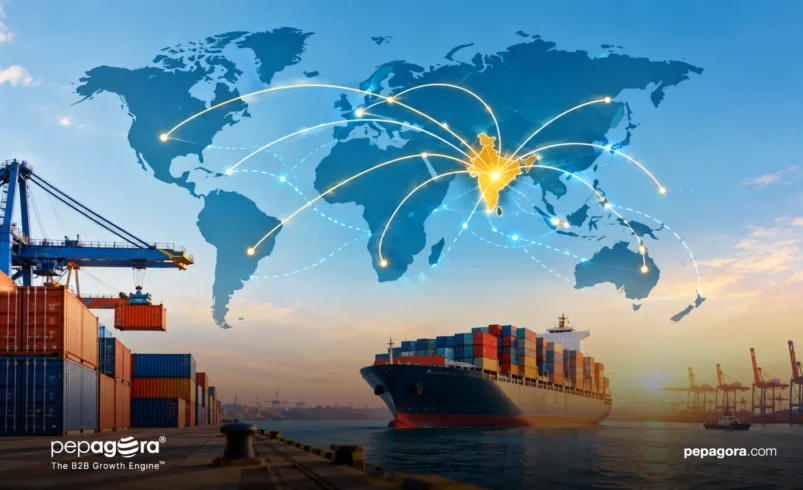

Global trade is no longer organised around a small number of predictable production and shipping routes. Geopolitical developments, supply-chain disruptions, changing tariffs and the growing focus on supplier diversification are encouraging businesses to rethink where they source products and components.
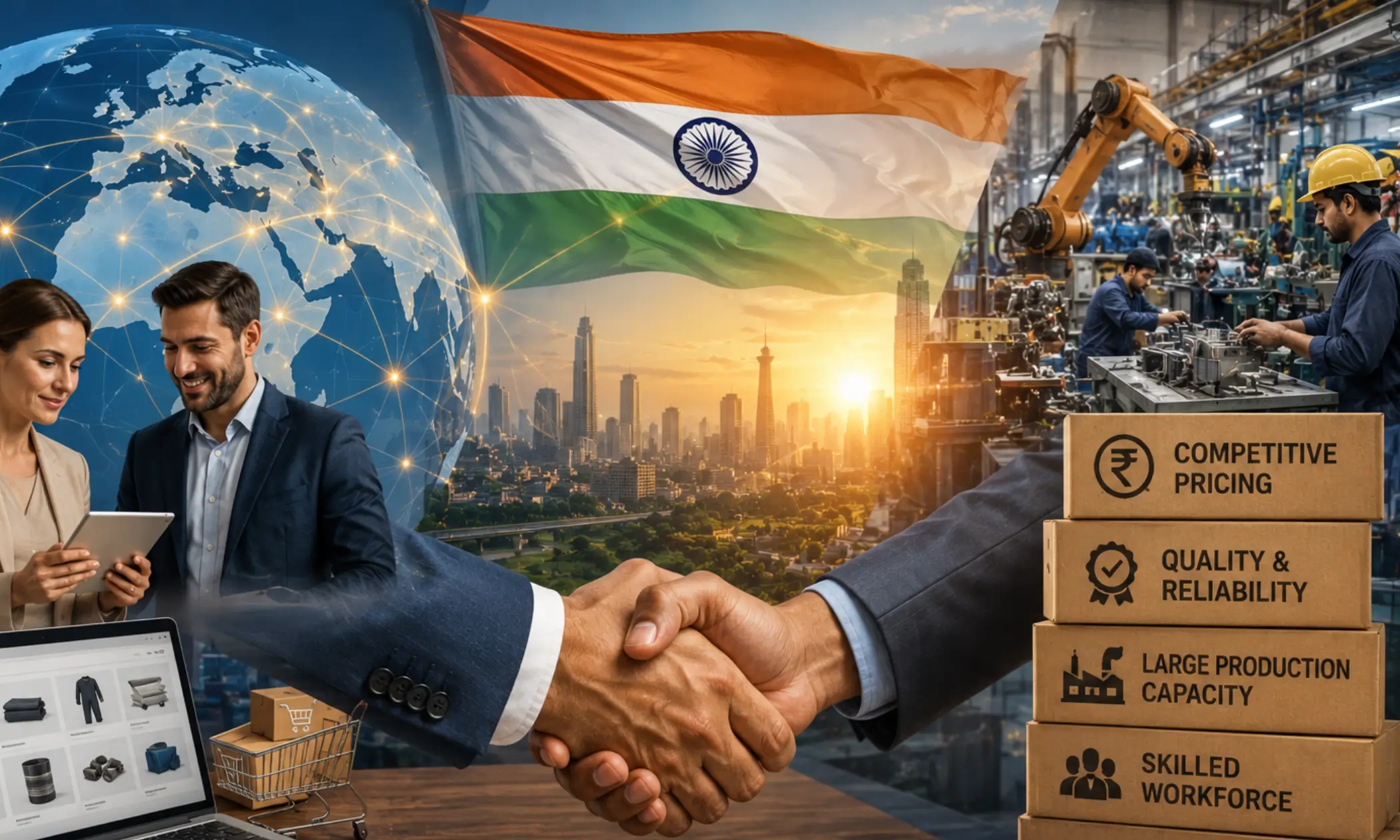
For Indian suppliers, this shift can create opportunities to become part of new regional and global supply networks. India’s Economic Survey 2025–26 notes that the country’s share of global merchandise exports increased from 1% in 2005 to 1.8% in 2024, while its trade partnerships have also become more diversified.
Why Global Trade Routes Are Changing
Manufacturers and global brands are increasingly looking beyond traditional sourcing hubs to reduce dependence on a single country or supply chain.
The China+1 strategy is one example. NITI Aayog has identified supply-chain diversification by global corporations as an opportunity for India to become more integrated into global and regional value chains.
At the same time, disruptions in major maritime corridors have demonstrated how quickly freight costs, insurance premiums and delivery schedules can be affected. India introduced the RELIEF scheme in 2026 to support exporters facing extraordinary logistics and geopolitical risks linked to disruptions in the Gulf and wider West Asia maritime corridor.
This environment is encouraging companies to consider alternative suppliers, production locations and trade routes. Businesses can also explore trusted suppliers globally when developing more diversified sourcing networks.
What This Means for Indian Suppliers
More Demand for Alternative Suppliers
Global companies looking to diversify their sourcing networks need suppliers that can deliver consistently, meet quality standards and scale when required.
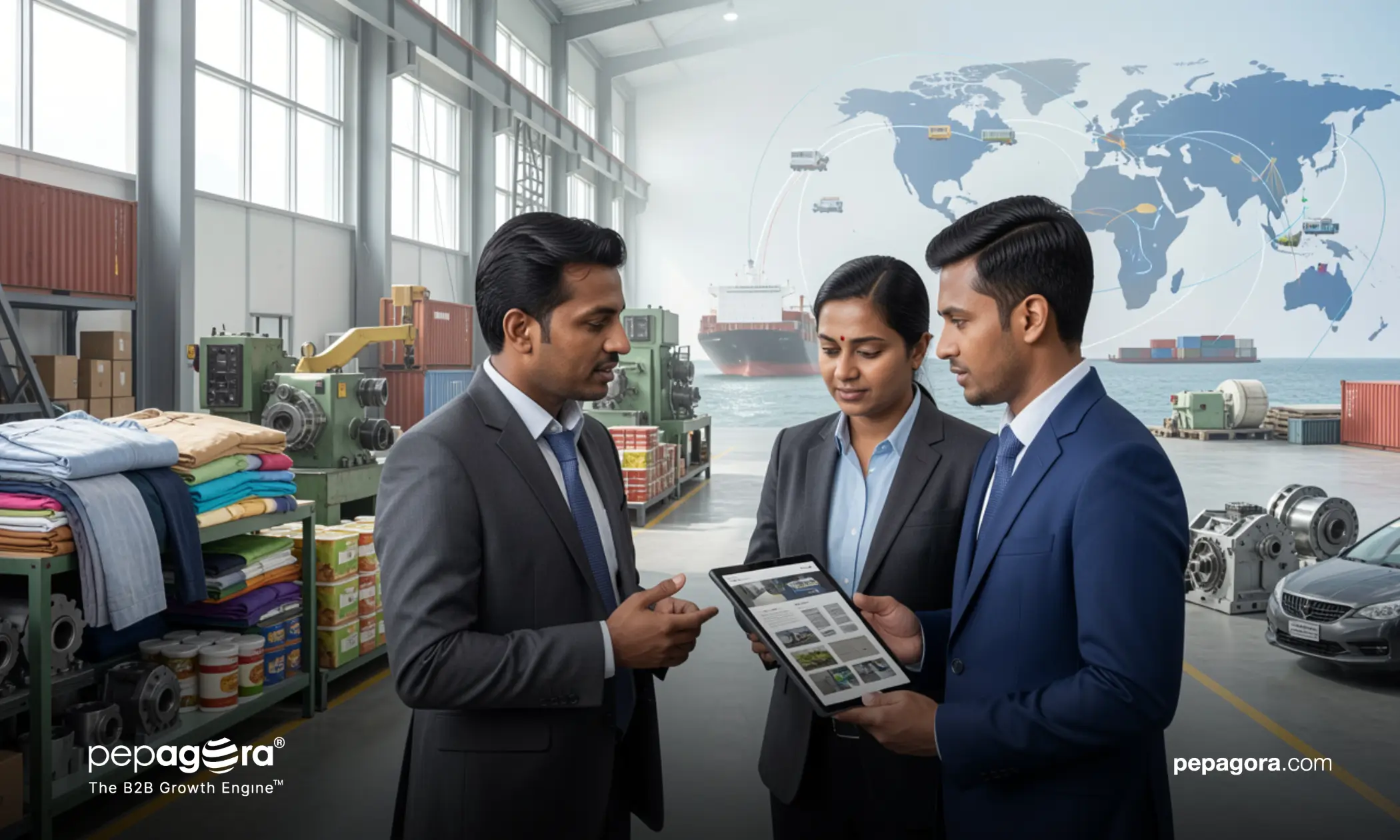
This creates opportunities for Indian manufacturers in areas such as engineering components, electronics, textiles, chemicals, pharmaceuticals, auto components and industrial products.
NITI Aayog data indicates that India’s participation in global value chains has been increasing, with forward GVC participation rising from around 9% in 2015 to about 13% in 2024.
Indian businesses can also learn how global buyers are increasingly looking for Indian suppliers as sourcing networks become more diversified.
New Markets Can Become More Accessible
Changing trade routes are happening alongside an expanding network of trade agreements. India has concluded or advanced several major trade partnerships, including agreements with the UK, Oman and New Zealand, while negotiations have also expanded with other markets.
For suppliers, this can create opportunities to explore markets where tariffs, market-access conditions or trade procedures have become more favourable.
However, suppliers still need to evaluate product-specific tariff rules, standards, certifications and rules of origin before entering a market.
For businesses exploring overseas opportunities, a step-by-step guide to exporting globally can help them understand the broader export process.
Logistics Strategy Is Becoming More Important
Being a competitive supplier is no longer only about manufacturing cost.
Buyers increasingly need suppliers who can plan shipments, manage inventory, provide reliable delivery schedules and respond when a particular route becomes disrupted.
Indian suppliers can strengthen their position by working with multiple logistics partners, understanding alternative ports and routes, maintaining realistic inventory buffers and tracking shipment risks.
How Indian MSMEs Can Prepare
Indian MSMEs looking to benefit from changing global trade patterns should focus on four areas:
- Build export-ready quality: Meet international product, packaging and certification requirements.
- Diversify customers: Avoid depending entirely on one international buyer or market.
- Improve supply-chain visibility: Track production, inventory, logistics and delivery timelines.
- Use digital trade channels: Digital platforms and cross-border e-commerce can help smaller suppliers discover overseas buyers.
India’s government has also expanded export-focused measures, including Export Promotion Mission initiatives, Districts as Export Hubs and reforms supporting cross-border e-commerce.
MSMEs can also use digital B2B platforms to reach global buyers and expand their international visibility.
From Supplier to Global Supply-Chain Partner
The biggest opportunity may be for Indian suppliers to move beyond simply fulfilling individual orders.
Global buyers increasingly need reliable partners that can provide consistent quality, engineering support, customised production, shorter lead times and long-term capacity.
This means MSMEs that invest in technology, quality systems, skilled employees and compliance can position themselves for deeper participation in international supply chains.
How SMEs from India’s Tier-2 cities can attract global buyers also highlights how digital B2B platforms can help smaller businesses improve international visibility.
Changing global trade routes are creating a more distributed international sourcing environment. For Indian suppliers, this can open doors to new buyers, markets and global value chains—but opportunities will increasingly favour businesses that combine competitive products with reliability, compliance and supply-chain resilience.
For MSMEs, the focus should therefore be broader than finding the next export market. It should be about becoming the kind of dependable supplier that global businesses want to add to their evolving supply networks.
Frequently Asked Questions
Changing sourcing patterns, supply-chain diversification and the search for alternative suppliers can create opportunities for Indian manufacturers and MSMEs to connect with new international buyers and supply networks.
Indian MSMEs can focus on export-ready quality, customer diversification, supply-chain visibility, reliable logistics, compliance and digital trade channels to strengthen their ability to serve international buyers.
Indian suppliers can use digital B2B marketplaces, online business profiles, product catalogues and export networks to improve their visibility and connect with overseas buyers.

About Author
Harsha Varthan
Harsha is a highly respected B2B marketing expert who passionately helps sellers and buyers connect, grow their businesses online, and build strong global visibility. His expertise spans SEO, content marketing, lead generation, marketplace strategy, public relations, and result-driven digital growth planning, making him a trusted voice in the industry.