
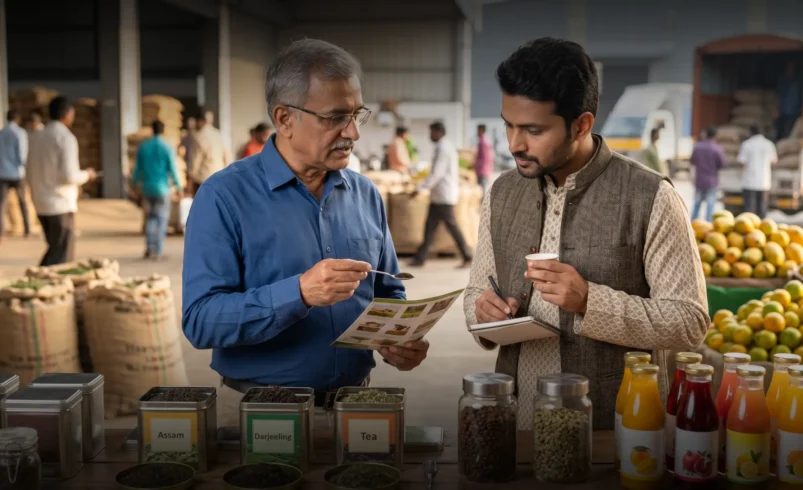

The global beverages market is one of the largest and most dynamic industries, offering massive opportunities for B2B businesses. From beverages tea coffee juices to advanced packaged beverages and functional drink products, demand is expanding across retail, hospitality, and industrial segments. For manufacturers, suppliers, wholesalers, and exporters, this sector presents strong growth potential driven by changing consumer preferences and global trade expansion.
The global beverage industry is valued at nearly $1.9 trillion in 2025, making it one of the most lucrative sectors worldwide. This scale highlights the immense opportunity for businesses involved in sourcing, manufacturing, and distributing beverage products.
Market Overview: A High-Growth Industry
The beverages industry is not just large but continuously evolving. Non-alcoholic segments such as tea, coffee, and juices are seeing steady growth due to health awareness and convenience trends.
Key industry insights include:
The global tea market alone is expected to grow from $69.5 billion in 2025 to over $115 billion by 2033
Around 6 billion cups of tea are consumed globally every day
Non-alcoholic beverages are growing at over 6% CAGR globally
Juice markets are shifting toward premium and organic products with steady growth trends
These figures clearly indicate that businesses dealing with beverages (tea, coffee, juices) manufacturers and suppliers are positioned in a high-demand, scalable industry.
Bulk Tea Coffee Juices: The Backbone of B2B Trade
Bulk sourcing plays a crucial role in the beverage supply chain. Businesses in hospitality, retail, and food processing rely heavily on bulk tea coffee juices for cost efficiency and consistent supply.
Working with a bulk tea coffee juices supplier provides:
Lower procurement costs through volume purchasing
Consistent product quality across batches
Reliable supply for large-scale operations
Simplified logistics and inventory management
A bulk juice wholesaler or premium coffee exporter can help businesses meet both domestic and international demand efficiently.
Packaged Beverages and Convenience Trends
Packaged beverages are rapidly gaining popularity due to convenience and longer shelf life. Ready-to-drink formats, cold brews, and functional drinks are transforming consumer behavior.
Key growth drivers include:
Urban lifestyles demanding quick consumption options
Rising retail and e-commerce distribution
Demand for on-the-go drink products
Innovation in packaging technologies
High-quality beverage suppliers are increasingly focusing on ready-to-drink and packaged beverage segments to capture this demand.
Role of Manufacturers in Product Innovation
Beverages (tea, coffee, juices) manufacturers are investing heavily in innovation to stay competitive.
Focus areas include:
Development of functional and health-based drinks
Low-sugar and organic product lines
Sustainable and eco-friendly packaging
Flavor innovation and premiumization
Tea manufacturers, coffee manufacturers, and juice manufacturers are leveraging technology to scale production while maintaining quality. To understand how the healthy breakfast and beverage market is creating new B2B opportunities, read Boost Business: The Power of a Healthy Breakfast Market.
Suppliers and Their Role in Supply Chain Efficiency
Reliable beverages (tea, coffee, juices) suppliers are essential for maintaining operational efficiency.
Key selection criteria include:
Product quality and consistency
Production capacity and scalability
Compliance with food safety standards
Timely delivery and logistics support
Tea suppliers, coffee suppliers, and juice suppliers with strong distribution networks ensure uninterrupted supply.
Wholesalers and Exporters Expanding Market Reach
Beverages (tea, coffee, juices) wholesalers play a key role in domestic distribution, while exporters drive global trade.
Beverages (tea, coffee, juices) exporters manage:
International logistics and documentation
Compliance with global standards
Bulk shipments and packaging
Coordination with international buyers
Tea exporters, coffee exporters, and juice exporters are increasingly targeting emerging markets for expansion.
Premium and Organic Segments Driving Value Growth
Consumer preferences are shifting toward premium and organic beverage options.
An organic tea supplier focuses on:
Natural and chemical-free sourcing
Health-focused product positioning
Sustainable production practices
Similarly, a premium coffee exporter caters to high-value markets with specialized and high-quality offerings.
Quality Standards in the Beverage Industry
Quality plays a critical role in determining business success in this sector.
Important parameters include:
Taste and consistency
Nutritional value and ingredient quality
Shelf life and storage stability
Compliance with food safety regulations
Packaging durability and hygiene
Working with a high-quality beverage supplier ensures adherence to these standards.
Logistics and Storage Considerations
Efficient logistics are essential for maintaining product quality, especially in bulk transactions.
Key considerations include:
Proper packaging to prevent contamination
Temperature control for sensitive products
Timely delivery to maintain freshness
Inventory management for bulk orders
Experienced beverages exporters ensure smooth handling of these logistics challenges.
Pricing Strategy in Bulk Procurement
Pricing in the beverage industry depends on multiple factors such as raw material costs, processing, packaging, and order volume.
Buyers should evaluate:
Cost advantages of bulk sourcing
Supplier reliability and consistency
Long-term value over short-term pricing
Market demand fluctuations
Direct sourcing from manufacturers or wholesalers often provides better margins.
Building Long-Term Supplier Partnerships
Strong supplier relationships are essential for sustainable business growth.
Best practices include:
Clear communication of product specifications
Regular quality checks and audits
Long-term agreements for price stability
Transparent payment and delivery terms
Partnerships with reliable beverages (tea, coffee, juices) suppliers lead to consistent supply and better business outcomes.
Emerging Trends in the Beverage Industry
The beverage sector is evolving rapidly with innovation and changing consumer preferences.
Key trends include:
Growth of functional and health-focused drink products
Expansion of ready-to-drink and packaged beverages
Increasing demand for organic and premium offerings
Rising global trade and export opportunities
Beverages (tea, coffee, juices) manufacturers and exporters are aligning their strategies with these trends.
Final Thoughts
The beverages tea coffee juices segment offers significant opportunities for B2B businesses across manufacturing, supply, and export. With rising demand for packaged beverages and innovative drink products, businesses must adapt to changing market dynamics.
Success in this sector depends on sourcing from reliable partners, maintaining quality standards, and leveraging global trade opportunities. Whether working with tea manufacturers, partnering with a bulk tea coffee juices supplier, or expanding through exporters, businesses need a strategic approach to scale effectively.
As the industry continues to grow, companies that focus on quality, innovation, and strong supply chains will gain a competitive advantage in the global beverage market.