
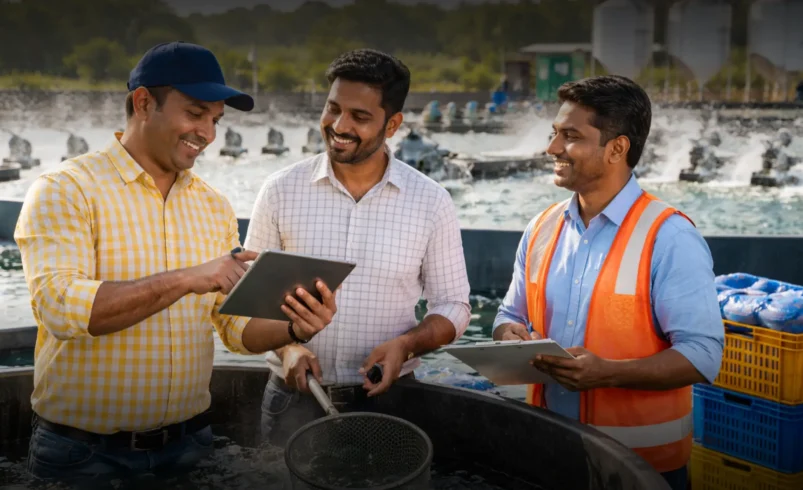

Aquaculture is emerging as one of the fastest-growing segments in global food production. With rising demand for fish protein and increasing pressure on wild fisheries, commercial fish farming is expanding rapidly. This growth is driving strong demand for aquaculture fisheries equipment that supports efficient, scalable, and sustainable operations.
For B2B buyers, distributors, exporters, and project developers, sourcing the right fish farming machinery and fisheries production equipment is critical to ensuring productivity, profitability, and long-term success.
Understanding the Scope of Aquaculture and Fisheries Equipment
Aquaculture operations require a wide range of specialized tools and machinery designed to manage breeding, feeding, water quality, and harvesting.
Key categories include:
Aeration systems to maintain oxygen levels
Feeding systems for controlled nutrition delivery
Water filtration and circulation equipment
Nets, cages, and containment systems
Harvesting and grading machinery
These components together form a complete aquaculture ecosystem that ensures optimal fish growth and health.
Why Bulk Procurement is Essential for Aquaculture Projects
Large-scale fish farming operations and infrastructure projects rely heavily on bulk aquaculture tools to maintain consistency and efficiency.
Working with a bulk aquaculture equipment supplier offers several advantages:
Cost savings through volume purchasing
Uniform quality across all equipment
Streamlined logistics and inventory management
Faster project execution
Better margins for distributors and contractors
A bulk fish farming tools exporter is particularly valuable for international buyers managing large aquaculture installations.
Role of Manufacturers in Technology and Innovation
Aquaculture and fisheries equipment manufacturers are driving innovation in the sector by developing systems that improve efficiency and reduce operational costs.
Leading fish farming equipment manufacturers and fisheries machinery manufacturers focus on:
Energy-efficient aeration and pumping systems
Automated feeding and monitoring solutions
Durable materials for long-term use in aquatic environments
Integration with digital monitoring tools
Businesses that partner with reliable manufacturers gain access to advanced technologies and customized solutions. To explore how technology is revolutionizing fish farming operations, read Smart Aquaculture: Technology Revolutionizing Fish Farming.
Choosing the Right Suppliers for Consistency
Selecting dependable aquaculture and fisheries equipment suppliers is essential for maintaining operational continuity.
Key factors to evaluate include:
Product quality and durability
Production capacity and scalability
Availability of spare parts and after-sales support
Logistics and delivery capabilities
Industry experience and reputation
Fish farming equipment suppliers and fisheries machinery suppliers with strong networks can ensure timely delivery and consistent supply.
Importance of Wholesalers and Exporters in Distribution
Aquaculture and fisheries equipment wholesalers play a key role in distributing products across regions, especially in areas where direct manufacturer access is limited.
On the global stage, aquaculture and fisheries equipment exporters manage:
International shipping and compliance
Bulk order handling
Documentation and regulatory approvals
Working with experienced fish farming equipment exporters or fisheries machinery exporters simplifies cross-border procurement and reduces operational risks.
Fish Farming Machinery: The Backbone of Modern Aquaculture
Fish farming machinery is essential for maintaining productivity in commercial aquaculture operations.
Key equipment includes:
Automatic feeders for controlled feeding
Aerators to maintain water oxygen levels
Pumps and filtration systems for water management
Grading and sorting machines
These systems help reduce manual labor, improve efficiency, and enhance overall output.
Fisheries Production Equipment for Large-Scale Operations
Fisheries production equipment is designed for high-capacity operations that require precision and scalability.
Benefits include:
Improved production efficiency
Better control over fish health and growth
Reduced operational costs
Enhanced product quality
Working with a high-quality fisheries machinery supplier ensures reliable performance in demanding environments.
Growing Demand for Premium and Organic Solutions
The aquaculture industry is witnessing a shift toward sustainable and high-performance solutions.
A premium aquaculture equipment supplier typically offers:
Advanced automation systems
High-efficiency machinery
Customized solutions for large farms
At the same time, an organic aquaculture equipment wholesaler focuses on eco-friendly systems that support sustainable fish farming practices.
Quality Parameters That Define Equipment Performance
Quality is critical in aquaculture equipment due to continuous exposure to water and environmental conditions.
Key indicators include:
Corrosion resistance and durability
Energy efficiency
Ease of installation and maintenance
Compatibility with different aquaculture systems
Availability of replacement parts
Partnering with established aquaculture and fisheries equipment suppliers ensures adherence to these standards.
Logistics and Installation Considerations
Transporting and installing aquaculture equipment requires careful planning.
Important considerations include:
Secure packaging to prevent damage
Efficient transportation for bulk equipment
On-site installation support
Training for operation and maintenance
Experienced aquaculture and fisheries equipment exporters often provide end-to-end project support.
Pricing Strategy in Bulk Equipment Procurement
Pricing in the aquaculture equipment sector depends on product type, technology level, and order volume.
Buyers should evaluate:
Total cost of ownership including maintenance
Bulk order discounts
Energy efficiency and long-term savings
Payment terms and financing options
Direct sourcing from aquaculture and fisheries equipment wholesalers or manufacturers often results in better pricing and reliability.
Building Long-Term Supplier Relationships
Strong supplier partnerships are essential for consistent supply and operational success.
Best practices include:
Clear communication of project requirements
Regular feedback on equipment performance
Timely payments
Collaborative planning for expansion
Long-term relationships often lead to priority service and better commercial terms.
Emerging Trends in Aquaculture Equipment
The aquaculture industry is evolving rapidly with technological advancements.
Key trends include:
Adoption of automated and smart farming systems
Integration of IoT for real-time monitoring
Increased focus on sustainability and energy efficiency
Expansion of export markets for aquaculture equipment
Aquaculture and fisheries equipment manufacturers and suppliers are aligning their offerings with these trends.
Final Thoughts
The demand for aquaculture fisheries equipment is growing as fish farming becomes more industrialized and technology-driven. For B2B buyers, success depends on building a strong sourcing network that ensures quality, scalability, and efficiency.
Whether working with aquaculture and fisheries equipment manufacturers, sourcing from a bulk aquaculture equipment supplier, or expanding globally through aquaculture and fisheries equipment exporters, every decision directly impacts operational success.
A well-structured procurement strategy, supported by reliable partners and quality evaluation, can help businesses scale effectively in the fast-growing aquaculture sector.