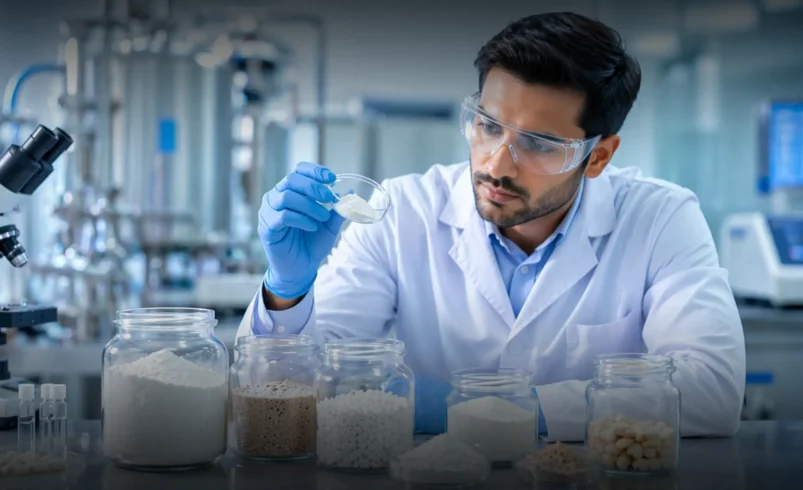

Pharmaceutical raw materials form the backbone of medicine production. These include active pharmaceutical ingredients (APIs) and excipients, which together determine the safety, stability, and effectiveness of drugs.
Raw materials are the foundation of pharmaceutical quality. Selecting the right materials, ensuring compliance with global standards, and maintaining consistency are critical for patient safety and regulatory approval.
For buyers and manufacturers, sourcing from reliable Pharmaceutical Raw Material suppliers is not just about cost—it’s about safeguarding lives.
India’s Strength in Pharmaceutical Raw Materials
India is one of the world’s largest producers of APIs and excipients, supported by its strong chemical industry base. According to the Indian Brand Equity Foundation (IBEF), India accounts for 20% of global generic drug exports. This makes the country a vital sourcing destination for pharmaceutical companies worldwide.
Key categories of raw materials include:
- Active Pharmaceutical Ingredients (APIs): core compounds that provide therapeutic effects.
- Excipients: stabilizers, binders, and fillers that ensure drug safety and usability.
- Chemical intermediates: essential for large-scale drug synthesis.
International buyers seeking reliable sourcing options often refer to Indian chemical industry guide to identify trusted suppliers and understand compliance requirements.
Growing Global Demand for Quality Raw Materials
Global pharmaceutical demand continues to rise due to population growth, aging demographics, and increased access to healthcare. This drives demand for raw materials that meet strict quality and safety standards.
Key factors influencing demand include:
- Expansion of generic drug manufacturing.
- Rising need for biologics and specialty medicines.
- Increased focus on organic and natural excipients.
- Regulatory emphasis on traceability and transparency.
Pharma companies sourcing through a Global B2B Marketplace benefit from direct access to verified suppliers, digital catalogs, and compliance-ready product listings.
Importance of Quality Standards and Certifications
Pharmaceutical raw materials must comply with stringent international standards before they can be used in drug production. Quality lapses can lead to regulatory rejection, product recalls, or patient harm.
Common certifications and standards include:
- Good Manufacturing Practices (GMP) compliance.
- ISO quality certifications for excipients and intermediates.
- Pharmacopoeia standards (USP, EP, IP).
- Rigorous testing and inspection protocols.
Manufacturers that demonstrate strong quality assurance practices are more likely to build long-term partnerships with global buyers.
Challenges in Raw Material Sourcing
Despite strong demand, the pharmaceutical raw material industry faces several challenges:
- Supply Chain Disruptions: Global logistics issues can delay critical shipments.
- Price Volatility: Chemical intermediates often fluctuate in cost due to raw input shortages.
- Regulatory Barriers: Different countries impose varying import regulations and documentation requirements.
- Storage and Handling: APIs and excipients require controlled environments to maintain stability.
Companies that invest in robust supply chain management and transparent sourcing practices are better positioned to succeed.
Practical Tips for Businesses in the Sector
Pharmaceutical companies and suppliers can strengthen their operations through several strategies:
- Maintain Consistent Quality: Regular audits and testing ensure compliance and build buyer trust.
- Invest in Packaging & Storage: Proper handling extends shelf life and prevents contamination.
- Expand Product Range: Offering APIs, excipients, and intermediates together attracts a wider buyer base.
- Improve Digital Visibility: Maintaining searchable profiles on Digital platforms helps attract international buyers.
Future Outlook
The pharmaceutical raw material sector will remain critical to global healthcare.
Several trends are expected to shape its future:
- Rising demand for organic and natural excipients.
- Growth of biologics and advanced therapies.
- Expansion of India’s role as a global supplier.
- Adoption of digital sourcing and blockchain-based traceability.
India’s strong chemical base and growing pharmaceutical exports position it well to capture a larger share of the global market. Businesses that focus on quality production, compliance, and visibility will be best placed to thrive.
FAQs
Pharmaceutical raw materials include active pharmaceutical ingredients (APIs), excipients, and chemical intermediates used in drug production. They determine the safety, stability, and effectiveness of medicines.
APIs provide the therapeutic effect of a medicine, while excipients support stability, delivery, and usability. Together, they ensure the drug performs safely and effectively.
India is a leading global producer of APIs and excipients, supported by a strong chemical industry and cost-effective manufacturing, making it a reliable sourcing hub for global buyers.
Raw materials must comply with international standards such as GMP, ISO certifications, and pharmacopoeia guidelines (USP, EP, IP) to ensure safety, consistency, and regulatory approval.
Pepagora connects buyers with verified pharmaceutical raw material suppliers through its global B2B marketplace, offering digital catalogs and streamlined supplier discovery.

Sagir works on connecting scientific concepts with practical insights for better understanding. With a strong passion for continuous learning and research, he aims to support readers in understanding modern scientific trends and solutions through well-structured and informative content.