
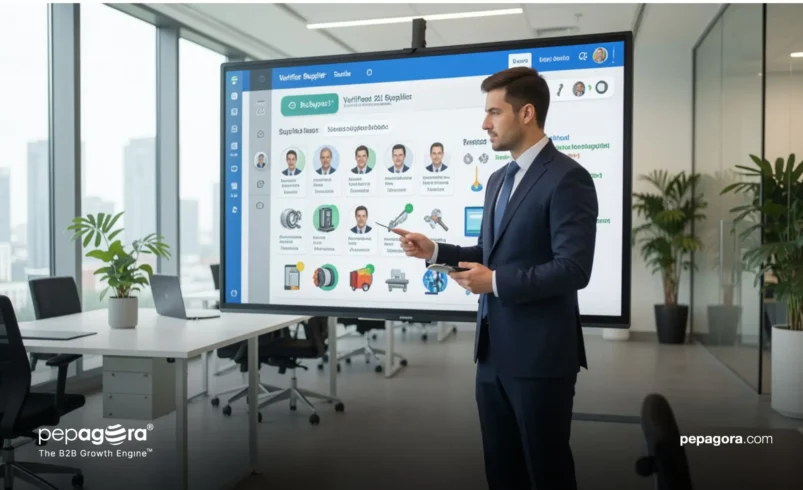

In today’s competitive business environment, buyers are looking beyond price when selecting suppliers. While cost remains an important consideration, reliability, quality, and trustworthiness often have a greater impact on long-term business success. Modern procurement has become more complex, with businesses sourcing products and services from a wide range of suppliers through digital platforms and global networks. As a result, Supplier Verification has become an essential first step before requesting quotations or comparing prices.
Verifying a supplier helps buyers confirm that the business is legitimate, capable, and reliable, reducing uncertainty before any commercial discussions begin. A trustworthy supplier can deliver consistent quality, dependable service, and long-term value that often outweighs the benefits of choosing the lowest-priced option. In this article, we’ll explore why businesses verify suppliers before evaluating prices, how supplier verification works, and why credibility plays a vital role in smarter procurement decisions.
Why Price Alone Is No Longer Enough
For many businesses, choosing the supplier with the lowest quotation may seem like the most cost-effective decision. However, price alone rarely reflects the true value of a supplier. A lower price can sometimes come with hidden costs, including inconsistent product quality, delayed deliveries, poor customer support, or unexpected operational disruptions that ultimately increase overall expenses.
Reliable procurement requires balancing cost with factors such as product quality, service standards, delivery performance, and supplier responsiveness. Businesses increasingly recognize that dependable suppliers contribute to smoother operations and fewer business interruptions, making them more valuable over the long term.
Strong buyer trust also plays an important role in purchasing decisions. Buyers are more willing to invest in suppliers they believe will consistently meet expectations and honor their commitments. This confidence reduces uncertainty and improves decision-making throughout the procurement process.
As competition increases and supply chains become more interconnected, organizations are placing greater emphasis on supplier credibility rather than simply selecting the lowest-priced option. A trustworthy supplier often delivers better long-term business value through reliability, consistency, and professional service.
What Is Supplier Verification?
Supplier Verification is the process of confirming that a supplier is legitimate, reliable, and capable of meeting business requirements before any commercial relationship begins. It enables buyers to validate important business information and assess whether a supplier can consistently deliver products or services according to agreed standards.
The verification process typically includes checking company registration details, GST or other tax information, official business address, verified contact details, industry certifications, and required licenses. Buyers may also evaluate manufacturing capabilities or service capacity, review the supplier’s website and online presence, and examine business history to better understand the organization’s credibility and experience.
The difference between a verified and an unverified supplier is significant. A verified supplier provides transparent, accurate, and authenticated information that buyers can rely upon during supplier evaluation. In contrast, an unverified supplier may have incomplete, outdated, or unconfirmed details that make it difficult to assess reliability and business capability.
By conducting Supplier Verification, businesses reduce uncertainty, improve supplier selection, and establish a stronger foundation for successful procurement and long-term business partnerships.
Why Buyers Verify Suppliers Before Comparing Prices
Before comparing quotations, buyers want assurance that suppliers can deliver what they promise. Supplier Verification provides this confidence by confirming a supplier’s legitimacy, capabilities, and reliability. Rather than focusing solely on price, businesses first ensure that suppliers meet their quality, compliance, and operational requirements.
Ensures Supplier Authenticity
Verification confirms that a supplier is a genuine, legally operating business. By validating company registration, tax information, business address, and official contact details, buyers can confidently engage with authentic suppliers instead of risking partnerships with fraudulent or inactive companies.
Builds Buyer Trust
Trust is essential before any commercial discussion begins. Verified suppliers demonstrate transparency by providing accurate and verifiable business information. This openness strengthens buyer trust and encourages businesses to proceed with supplier evaluations and negotiations with greater confidence.
Reduces Procurement Risks
Working with unverified suppliers can expose businesses to fraud, delivery failures, quality issues, and payment-related risks. Supplier verification minimizes these concerns by confirming that suppliers meet required business and compliance standards before contracts are finalized.
Supports Better Price Comparisons
Price comparisons are meaningful only when suppliers offer comparable levels of reliability and quality. Verification allows buyers to shortlist qualified suppliers first, ensuring that quotations are evaluated based on both cost and overall capability rather than price alone.
Improves Long-Term Value
Reliable suppliers contribute to stable operations, consistent product quality, and dependable service over time. Even if their prices are slightly higher, verified suppliers often provide greater long-term value by reducing operational disruptions, improving efficiency, and supporting sustainable business growth.
Key Factors That Influence Supplier Credibility
Strong supplier credibility is built on several important factors that help buyers assess whether a supplier can be trusted to deliver consistent results. One of the most fundamental indicators is company registration and legal compliance. Suppliers that operate within regulatory requirements demonstrate professionalism and accountability.
Industry certifications and quality standards further strengthen credibility by showing that a supplier follows recognized best practices. Business experience and a proven track record also provide valuable insight into a supplier’s ability to manage projects, fulfill orders, and maintain long-term customer relationships.
Customer reviews and testimonials offer social proof that helps buyers understand how a supplier performs in real business situations. Financial stability is another important consideration, as financially sound suppliers are generally better equipped to maintain operations and fulfill contractual commitments.
Buyers also evaluate manufacturing capacity or service capability to ensure suppliers can meet required production volumes or service expectations. Transparent communication, timely responses, and a willingness to share accurate business information further reinforce trust.
Together, these factors strengthen supplier credibility, enabling buyers to make informed decisions and establish reliable partnerships that support long-term business success.
How Supplier Verification Improves Procurement Decisions
Effective procurement depends on selecting suppliers that can consistently deliver value, quality, and reliability. Supplier Verification streamlines this process by providing buyers with accurate and verified information, making supplier evaluation faster and more efficient.
Verified information enables procurement teams to shortlist qualified suppliers with greater confidence, reducing the time spent conducting extensive background checks. By eliminating unreliable or non-compliant businesses early in the sourcing process, organizations can focus on suppliers that meet their operational and quality requirements.
Verification also reduces procurement risks by confirming supplier legitimacy and compliance before contracts are signed. This lowers the likelihood of fraud, supply chain disruptions, payment issues, and delivery failures that could impact business operations.
Having verified supplier information improves negotiation confidence as well. Buyers can discuss pricing, delivery schedules, and contract terms knowing that they are working with credible businesses. Over time, this contributes to stronger supply chain reliability and more productive supplier relationships.
By making supplier selection more transparent and data-driven, Supplier Verification helps businesses make smarter procurement decisions, improve operational efficiency, and build long-term partnerships with dependable suppliers.
Best Practices for Buyers Before Requesting Quotations
Before requesting quotations, buyers should take a systematic approach to Supplier Verification to ensure they are comparing reliable businesses rather than simply evaluating prices. Verifying supplier credentials is the first step, as it confirms that the company is legally registered and operates in compliance with applicable regulations.
Buyers should also review certifications, licenses, and other compliance documents to verify that suppliers meet industry standards. Checking customer feedback, ratings, and testimonials provides valuable insights into the supplier’s reputation, product quality, and service reliability.
It is equally important to evaluate a supplier’s production capacity or service capabilities to determine whether they can consistently meet order requirements and delivery timelines. Confirming communication channels, such as verified contact details and responsive customer support, further strengthens buyer trust and ensures smoother business interactions.
Rather than comparing quotations from unknown vendors, businesses should focus on evaluating verified suppliers with proven credibility. Finally, procurement decisions should consider the total value a supplier offers; including quality, reliability, service, and long-term performance; not just the lowest price. This approach helps businesses build stronger supplier relationships and make more informed purchasing decisions.
The Future of Supplier Verification
The future of Supplier Verification is being driven by digital technologies that improve transparency, accuracy, and efficiency throughout the procurement process. Artificial intelligence is enabling faster supplier verification by analyzing business information, identifying inconsistencies, and detecting potential risks with greater precision.
Digital supplier identity verification is making it easier to confirm the authenticity of businesses before commercial relationships begin. At the same time, blockchain-enabled supplier records are creating secure and tamper-resistant documentation that strengthens trust across supply chains.
Automated compliance monitoring helps businesses ensure suppliers continue to meet regulatory and industry requirements, while real-time supplier performance data provides ongoing insights into reliability, quality, and operational performance. Procurement platforms are also increasingly using digital trust signals, such as verified badges, certifications, and performance indicators, to help buyers evaluate suppliers more confidently.
These innovations will make supplier selection more transparent, reduce procurement risks, and enable businesses to identify trustworthy suppliers with greater speed and accuracy.
Conclusion
Successful procurement is about far more than finding the lowest price. While cost remains an important consideration, choosing the right supplier requires evaluating reliability, quality, compliance, and long-term value. Supplier Verification helps businesses identify trustworthy suppliers before comparing quotations, ensuring purchasing decisions are based on credible information rather than price alone.
Strong supplier credibility reduces business risks, improves buyer trust, and creates greater confidence throughout the procurement process. Verified suppliers are more likely to deliver consistent quality, dependable service, and long-term value, helping businesses build stable and resilient supply chains.
As procurement continues to evolve in a digital environment, organizations that prioritize supplier verification over short-term cost savings will be better equipped to make informed decisions, strengthen business partnerships, and achieve sustainable growth. Investing in verification today lays the foundation for more secure, efficient, and successful procurement in the future.
FAQs: Why Buyers Verify Suppliers Before Comparing Prices
Buyers verify suppliers before comparing prices to ensure they are dealing with legitimate and reliable businesses. Supplier verification helps evaluate supplier credibility, reduce risks, and ensure that price comparisons are made among trustworthy suppliers.
Supplier Verification is the process of checking a supplier’s business credentials, authenticity, capabilities, and compliance details before starting a commercial relationship. It helps buyers confirm that suppliers can meet quality, delivery, and business requirements.
The lowest price may come with hidden risks such as poor product quality, delayed deliveries, limited support, or unreliable service. Buyers often prioritize verified suppliers who provide better long-term value, consistency, and reliability.
Buyers should evaluate supplier registration details, certifications, licenses, business history, production capabilities, customer reviews, communication quality, and compliance records before making procurement decisions.
Supplier verification helps businesses identify reliable suppliers, reduce fraud risks, compare qualified vendors, and make informed purchasing decisions based on credibility, quality, and overall value rather than price alone.