

In today’s digital marketplace, buyers rarely make purchasing decisions without first researching the businesses they plan to work with. Whether they are sourcing products, selecting service providers, or evaluating potential suppliers, customers look for clear signs of authenticity, reliability, and professionalism before making a commitment. This growing emphasis on credibility has made a Verified Business Profile an essential asset for businesses operating in both B2B and B2C environments.
By displaying verified business information, companies can demonstrate transparency, reduce uncertainty, and inspire buyer confidence from the very first interaction. Verification reassures potential customers that a business is genuine and trustworthy, making it easier to establish meaningful relationships. In this article, we’ll explore why buyer confidence matters, what a Verified Business Profile includes, how it influences purchasing decisions, and the key factors that strengthen business credibility in today’s competitive marketplace.
Why Buyer Confidence Matters in Today’s Business Environment
Buyer confidence plays a crucial role in determining whether a customer chooses to engage with a business. Before making a purchase or entering into a partnership, buyers want assurance that the company they are dealing with is reliable, transparent, and capable of delivering on its promises. When trust is established early, customers are more comfortable moving forward with their purchasing decisions.
High buyer confidence also enables faster and more informed decision-making. Instead of spending excessive time verifying business information or comparing multiple vendors, buyers can focus on evaluating products, services, and overall value. This creates a smoother buying experience while reducing hesitation and uncertainty.
Strong business credibility further strengthens customer relationships. Businesses that consistently demonstrate honesty, professionalism, and quality are more likely to earn customer loyalty and repeat business. Satisfied buyers often recommend trustworthy companies to others, generating valuable referrals that contribute to long-term growth.
In an increasingly competitive marketplace, buyer confidence has become a key differentiator. Companies that invest in building trust through transparent business practices and verified information are better positioned to attract new customers and maintain lasting business relationships.
What Is a Verified Business Profile?
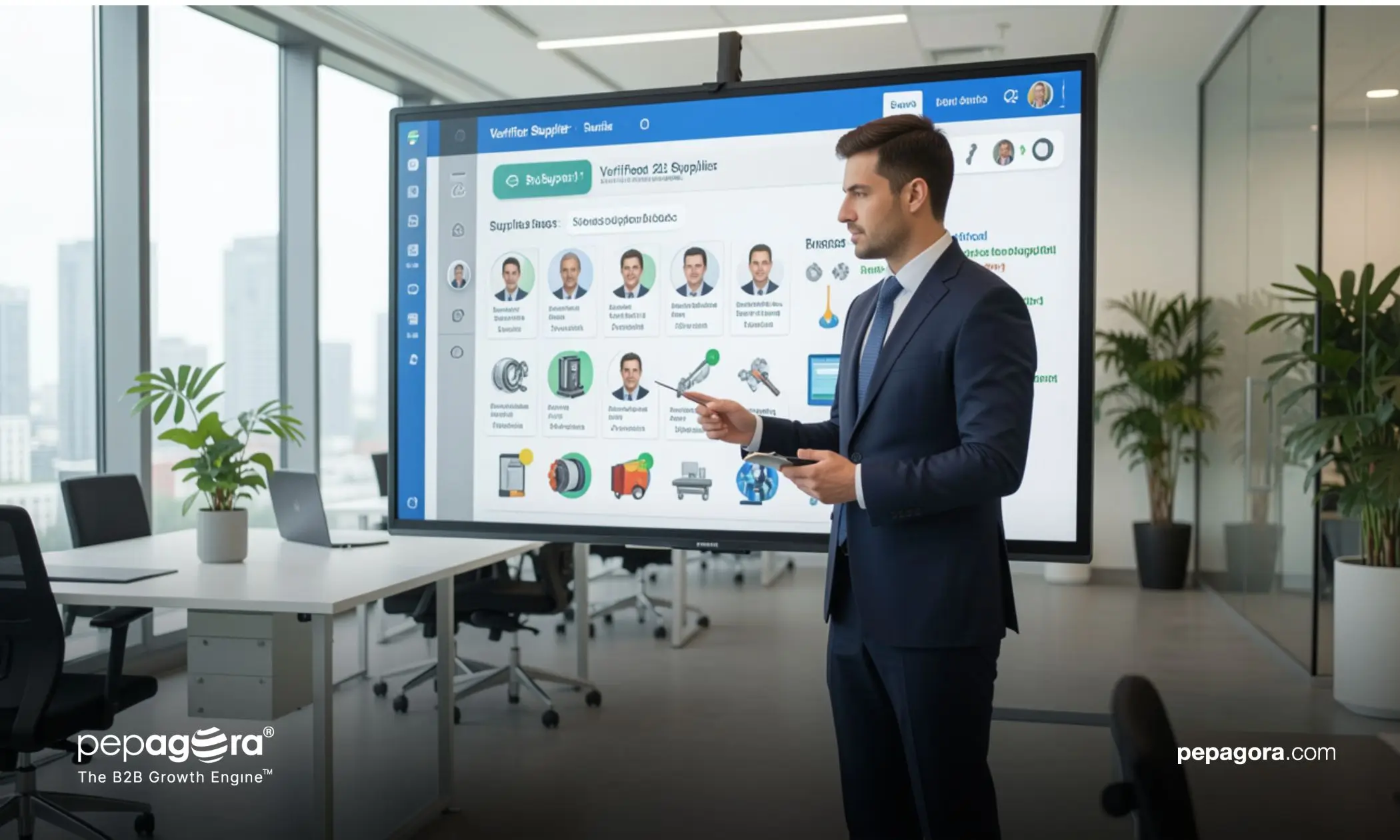
A Verified Business Profile is a business listing that has undergone a verification process to confirm the authenticity and legitimacy of a company. It provides buyers with confidence that the business is genuine, operational, and capable of delivering products or services as promised. Business verification helps establish transparency by ensuring that important company information is accurate and can be independently confirmed.
A verified profile typically includes essential business details such as company registration information, GST or other tax identification details, official business address, verified contact information, industry certifications, licenses, and links to the company’s website or other digital platforms. These details allow buyers to evaluate the credibility of a business before initiating enquiries or entering into commercial agreements.
The difference between a verified and an unverified business profile is significant. A verified profile displays authentic and up-to-date information that supports informed decision-making, while an unverified profile may contain incomplete, outdated, or unconfirmed details that create uncertainty. As businesses increasingly connect through digital channels, maintaining a Verified Business Profile has become an effective way to demonstrate professionalism, strengthen trust, and stand out in a competitive marketplace.
How a Verified Business Profile Builds Buyer Confidence
A Verified Business Profile provides buyers with the confidence they need to engage with a business. By presenting authentic and verified information, companies reduce uncertainty and make it easier for potential customers to evaluate their credibility before making purchasing decisions.
Demonstrates Business Authenticity
Verified company details reassure buyers that the business is legitimate and actively operating. Information such as company registration, verified contact details, and official business credentials confirms that the organization is genuine, making buyers more comfortable initiating business discussions.
Enhances Business Credibility
Transparency plays a vital role in building trust. A verified profile supported by accurate business information, certifications, and professional credentials strengthens business credibility and creates a positive first impression among prospective customers and partners.
Reduces Perceived Risk
Buyers naturally want to minimize risk when selecting suppliers or service providers. A verified profile helps reduce concerns about fraudulent businesses, misleading information, or unreliable vendors, giving buyers greater confidence throughout the purchasing process.
Improves Decision-Making
Easy access to verified information enables buyers to compare businesses more efficiently. Instead of spending time validating company details independently, they can focus on evaluating products, services, pricing, and overall value, resulting in quicker and more informed decisions.
Encourages Initial Engagement
Businesses with verified profiles often receive more enquiries, quotation requests, and partnership opportunities. When buyers trust the information presented, they are more likely to contact the business, request additional details, or begin discussions that can lead to long-term commercial relationships.
Key Elements That Strengthen Business Credibility
Building strong business credibility requires more than simply verifying a company’s identity. Businesses must consistently present accurate information, maintain transparency, and demonstrate professionalism across every customer touchpoint.
Accurate company information forms the foundation of credibility. Business registration details, verified contact information, official addresses, and complete business profiles help buyers confirm that the company is genuine and reliable. Industry certifications and licenses further strengthen trust by demonstrating compliance with recognized standards and regulations.
Customer reviews and testimonials also play an important role in influencing purchasing decisions. Positive feedback from existing clients provides social proof that reinforces a company’s reputation and reliability. A professional website and an active digital presence make it easier for buyers to learn about products, services, achievements, and company values.
Transparent communication is equally essential. Responding promptly to enquiries, providing clear information, and maintaining honesty throughout the buying process help build lasting trust. Consistent branding across websites, business directories, and social media platforms also creates a unified and professional image that reassures potential customers. Together, these elements strengthen credibility, increase buyer trust, and support long-term business success.
The Role of Verification in Digital B2B Marketplaces
The way businesses discover suppliers and service providers has changed dramatically with the rise of digital B2B marketplaces. Instead of relying solely on personal recommendations or offline networks, buyers now compare multiple businesses online before making purchasing decisions. In this digital environment, a Verified Business Profile has become an important factor in helping businesses stand out and build buyer confidence.
Verification gives buyers greater assurance that a business is genuine and trustworthy. Verified profiles are often more visible on B2B platforms because they demonstrate authenticity and transparency. This increases the likelihood of attracting enquiries from buyers who prefer working with credible businesses.
Digital trust signals play a significant role in influencing buyer decisions. Features such as verified badges, complete business history, industry certifications, customer ratings, and genuine reviews provide valuable information that helps buyers assess a company’s reliability. These indicators reduce uncertainty and make it easier to compare potential suppliers.
As online procurement continues to grow, verification is becoming more than just a trust-building measure; it is a competitive advantage. Businesses with verified profiles are better positioned to gain visibility, earn buyer trust, and establish successful partnerships in an increasingly digital business landscape.
Best Practices for Maintaining a Trusted Business Profile
Creating a Verified Business Profile is only the first step. To maintain business credibility, businesses should regularly update and manage their profiles so that buyers always have access to accurate and reliable information.
Keeping company details current is essential. Business registration information, contact numbers, email addresses, and office locations should be reviewed and updated whenever changes occur. Certifications, licenses, and compliance documents should also be renewed on time to demonstrate ongoing professionalism and regulatory compliance.
Promptly responding to customer enquiries helps build trust and shows that the business values communication. Encouraging satisfied customers to leave genuine reviews and testimonials can further strengthen credibility by providing social proof for prospective buyers.
Businesses should also maintain consistent product quality, service standards, and branding across all digital platforms. Whether customers visit the company website, B2B marketplace listings, or business directories, they should find accurate and consistent information. A well-maintained profile reflects professionalism, reinforces trust, and increases the likelihood of attracting qualified business opportunities.
The Future of Verified Business Profiles
As digital commerce continues to evolve, the role of the Verified Business Profile will become even more important. Emerging technologies are making business verification faster, more accurate, and more secure, helping businesses build stronger relationships with customers and partners.
Artificial intelligence is transforming verification by automating data analysis, identifying inconsistencies, and detecting potential risks more efficiently. Digital identity verification is simplifying the process of confirming business authenticity, while blockchain-supported verification records offer secure and tamper-resistant documentation that enhances transparency.
Automated compliance monitoring will help businesses ensure that certifications and regulatory requirements remain up to date. At the same time, real-time business data validation will keep company information accurate across digital platforms.
As procurement becomes increasingly digital, buyers will rely more heavily on verified business profiles when selecting suppliers and partners. These technological advancements will strengthen transparency, improve buyer confidence, and create a more secure and trustworthy business environment for organizations worldwide.
Conclusion
In today’s competitive marketplace, buyer confidence is essential for attracting customers and building long-term business relationships. A Verified Business Profile helps businesses demonstrate authenticity, professionalism, and transparency, making it easier for buyers to trust the information they see and engage with confidence.
Strong business credibility not only improves a company’s reputation but also encourages more enquiries, supports better conversion rates, and fosters lasting partnerships. Buyers are far more likely to choose businesses that provide verified information and consistently maintain high standards of quality and communication.
As digital business interactions continue to increase, organizations that invest in verification and transparent business practices will be better positioned to earn trust, strengthen their market presence, and achieve sustainable growth. A verified profile is no longer just an added advantage; it is becoming an essential element of successful business development in the digital age.
FAQs: How Business Verification Builds Buyer Confidence
A Verified Business Profile is a business listing that has been reviewed and confirmed to verify the authenticity, legitimacy, and reliability of a company. It helps buyers access accurate business information before starting a transaction.
A Verified Business Profile builds buyer confidence by providing verified company details, transparent information, and trust signals that help customers identify genuine businesses and make informed purchasing decisions.
Buyers prefer verified businesses because verification reduces risks related to fraud, unreliable suppliers, poor-quality products, and misleading information. It provides greater assurance that they are dealing with a credible company.
A Verified Business Profile may include company registration details, tax information, verified contact details, business address, certifications, licenses, product information, and other details that help establish business credibility.
Businesses can maintain trust by keeping company information updated, responding to customer enquiries, maintaining quality standards, sharing valid certifications, and ensuring transparency across digital platforms.