
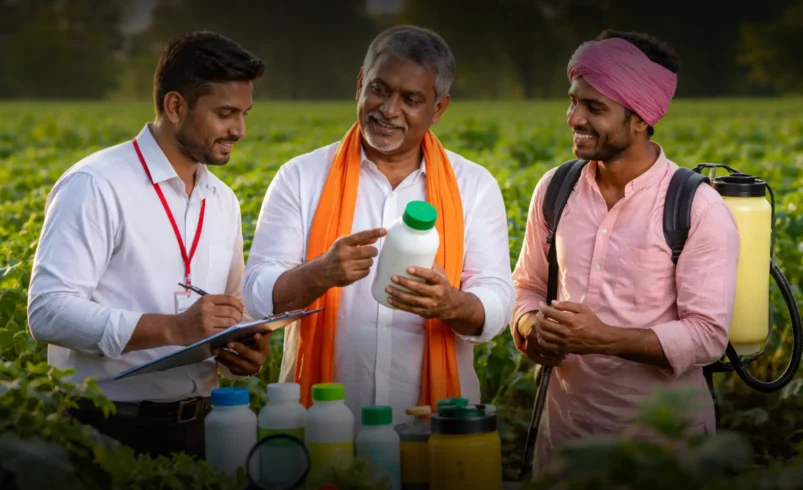

Agriculture today is as much about protection as it is about production. With rising pest resistance, climate variability, and pressure on yields, the demand for effective pesticides crop protection strategies has grown significantly. For B2B buyers, distributors, and exporters, sourcing the right farm crop protection products is essential to ensure consistent supply and reliable performance in the field.
From bulk pesticides procurement to specialized agrochemical pesticides, businesses must align quality, compliance, and scalability to succeed in this competitive sector.
Understanding the Scope of Crop Protection Products
Crop protection goes beyond just pest control. It includes a wide range of solutions designed to safeguard crops at different growth stages.
Core categories include:
Herbicides for weed control
Insecticides for pest management
Fungicides to prevent and treat fungal infections
Organic pesticides for sustainable farming practices
Together, these products form a complete crop protection ecosystem that supports yield stability and quality.
Importance of Bulk Procurement in B2B Supply Chains
For distributors and agri-input businesses, sourcing from a bulk pesticides supplier is a strategic necessity.
Key advantages include:
Lower procurement costs through volume purchasing
Consistent availability during peak agricultural cycles
Standardized product quality across batches
Better negotiation leverage with manufacturers
Efficient inventory management
Working with a bulk herbicides wholesaler or large-scale distributors ensures uninterrupted supply to retailers and farmers.
Role of Manufacturers in Product Development
Pesticides and crop protection manufacturers are at the core of innovation in the agrochemical sector. Their formulations determine effectiveness, safety, and environmental impact.
Leading herbicides manufacturers, insecticides manufacturers, and fungicides manufacturers are focusing on:
Target-specific formulations to reduce collateral damage
Improved absorption and longer protection cycles
Resistance management solutions
Environmentally safer chemical compositions
Businesses that partner with reliable manufacturers gain access to advanced products and technical expertise. To understand how technology is driving transformation across the agriculture sector, read Sustainable Food and Agriculture Practices to Watch in 2026.
Supplier Networks Driving Market Reach
Pesticides and crop protection suppliers act as the bridge between manufacturers and end-users. Their distribution capabilities define how efficiently products reach farms.
When selecting suppliers, businesses should evaluate:
Product range across multiple categories
Storage and handling infrastructure
Geographic reach and delivery timelines
Regulatory compliance and certifications
Market credibility
Strong networks of herbicides suppliers, insecticides suppliers, and fungicides suppliers ensure that demand is met without disruption.
Expanding Global Trade Through Exporters
International demand for agrochemical pesticides continues to rise, creating opportunities for exporters.
Pesticides and crop protection exporters play a critical role in:
Managing international logistics and documentation
Ensuring compliance with destination country regulations
Handling bulk shipments efficiently
Maintaining product integrity during transit
Working with experienced herbicides exporters, insecticides exporters, and fungicides exporters enables businesses to scale globally with reduced risk.
Growing Demand for Organic Crop Protection
Sustainability is reshaping the agricultural input market. The demand for organic pesticides is increasing, especially in export-oriented farming.
Benefits of organic solutions include:
Reduced chemical residue in crops
Improved soil health over time
Compliance with organic farming standards
Better acceptance in premium markets
An organic pesticides supplier or premium crop protection exporter often caters to niche but high-value segments.
Quality and Compliance: A Critical Requirement
Crop protection products are highly regulated due to their impact on health and the environment.
Key quality parameters include:
Accurate chemical composition
Stability under different storage conditions
Safe handling and usage guidelines
Compliance with national and international standards
Businesses must ensure that pesticides and crop protection suppliers meet all regulatory requirements to avoid legal and operational risks.
Logistics and Storage Considerations
Handling pesticides requires specialized logistics due to their chemical nature.
Important factors include:
Secure and compliant packaging
Temperature-controlled storage where required
Safe transportation practices
Timely delivery aligned with crop cycles
Experienced pesticides and crop protection wholesalers and exporters typically provide integrated logistics support.
Pricing Dynamics in Bulk Agrochemical Procurement
Pricing in the agrochemical sector is influenced by multiple variables.
These include:
Raw material costs and global supply trends
Product type and formulation complexity
Order volume and long-term contracts
Seasonal demand fluctuations
Direct sourcing from a bulk pesticides supplier or manufacturers often ensures better pricing and supply reliability.
Building Long-Term Supplier Relationships
Consistency in supply and quality depends on strong partnerships.
Best practices include:
Establishing clear procurement agreements
Sharing demand forecasts in advance
Maintaining transparent communication
Ensuring timely payments
Reliable partnerships with pesticides and crop protection manufacturers and suppliers lead to better service and priority access during high-demand periods.
Technology Trends in Crop Protection
The agrochemical industry is evolving with new technologies aimed at improving efficiency and sustainability.
Key trends include:
Precision application technologies to reduce wastage
Development of bio-based and eco-friendly pesticides
Integration with digital farming tools
Advanced formulations with controlled release mechanisms
Manufacturers and suppliers adopting these innovations are gaining a competitive edge.
Risk Management in Agrochemical Business
Operating in the pesticides sector involves managing multiple risks.
Common risks include:
Regulatory changes and compliance issues
Product misuse leading to liability concerns
Supply chain disruptions
Market volatility in raw materials
Businesses must implement strict quality control and compliance systems to mitigate these risks.
Market Outlook for Crop Protection Industry
The demand for pesticides crop protection products is expected to grow steadily due to increasing food demand and limited arable land.
Growth drivers include:
Rising need for higher agricultural productivity
Expansion of commercial farming
Increasing awareness of crop protection practices
Growth in export-oriented agriculture
This creates significant opportunities for manufacturers, suppliers, wholesalers, and exporters.
Final Thoughts
The crop protection industry is a critical component of modern agriculture. For B2B players, success lies in building a robust sourcing and distribution network that ensures quality, compliance, and scalability.
Whether working with pesticides and crop protection manufacturers, sourcing through a bulk pesticides supplier, or expanding globally with pesticides and crop protection exporters, every link in the chain matters.
Businesses that focus on reliable partnerships, adopt advanced products, and align with market trends will be better positioned to serve the evolving needs of agriculture and achieve long-term growth.

About Author
Harsha Varthan
Harsha is a highly respected B2B marketing expert who passionately helps sellers and buyers connect, grow their businesses online, and build strong global visibility. His expertise spans SEO, content marketing, lead generation, marketplace strategy, public relations, and result-driven digital growth planning, making him a trusted voice in the industry.