
Bilateral Cooperation Expands Beyond Security to Innovation and Small Businesses
India and Japan are taking another significant step in strengthening their long-standing strategic partnership by deepening cooperation in defence technology and the Micro, Small and Medium Enterprises (MSME) sector. As both countries work towards building resilient economies and secure supply chains, their growing collaboration is expected to create new opportunities for businesses, technology developers, startups, and manufacturers.
The expanded partnership reflects a shared vision of promoting innovation, strengthening industrial capabilities, and reducing dependence on limited global supply chains. While defence cooperation remains a major focus, both nations are increasingly recognizing the important role MSMEs can play in supporting manufacturing, technology development, and economic growth.
Experts believe that closer collaboration between Indian and Japanese businesses will encourage innovation, attract investments, improve technology transfer, and open new export opportunities for enterprises in both countries.
Defence Technology Partnership Reaches a New Level
India and Japan have steadily strengthened their defence relationship over the past decade through regular dialogue, joint exercises, and strategic cooperation. The latest discussions signal a broader effort to expand collaboration in defence technology, manufacturing, research, and industrial development.
Modern defence manufacturing requires advanced engineering, electronics, software, precision components, artificial intelligence, robotics, and cybersecurity solutions. Many of these technologies are no longer developed exclusively by large corporations. Today, MSMEs and startups are increasingly contributing innovative solutions that support defence production.
Both countries see significant potential in encouraging greater participation from smaller enterprises in developing next-generation defence technologies. By working together, Indian and Japanese businesses can combine their strengths to develop high-quality products that meet global standards while supporting national security objectives.
MSMEs at the Centre of Industrial Collaboration
One of the most significant aspects of the growing partnership is the emphasis on MSMEs.
Small businesses form the backbone of both the Indian and Japanese economies. They generate employment, encourage entrepreneurship, promote innovation, and contribute significantly to manufacturing and exports.
Through stronger cooperation, MSMEs from both countries are expected to gain opportunities to collaborate on product development, component manufacturing, engineering services, digital technologies, and research projects.
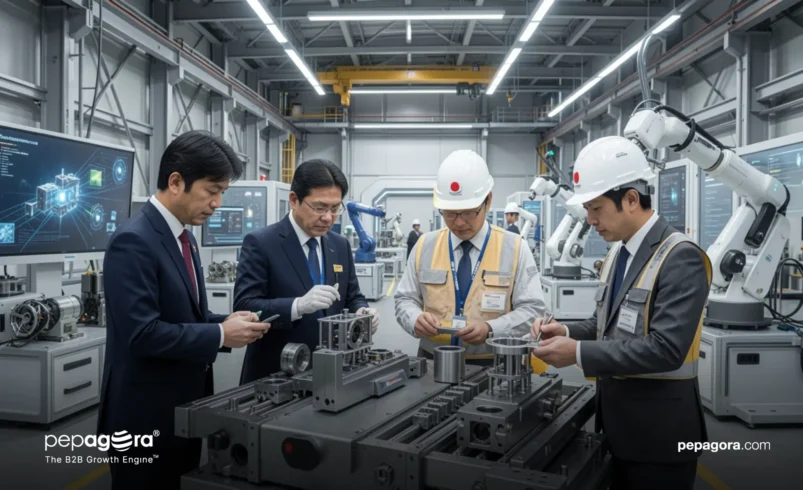
Japanese enterprises are internationally recognized for precision manufacturing, advanced engineering, and quality management systems. Indian MSMEs, on the other hand, have developed strong capabilities in software development, electronics, engineering design, digital innovation, and cost-effective manufacturing.
Combining these complementary strengths can create globally competitive products while helping businesses expand into new international markets.
Technology Transfer Can Accelerate Innovation
Technology sharing remains one of the biggest advantages of international collaboration.
Japanese industries have decades of experience in advanced manufacturing processes, robotics, automation, semiconductor technologies, and quality control systems. Indian enterprises bring expertise in software engineering, digital transformation, artificial intelligence, cloud computing, and product innovation.
Greater collaboration between businesses, research institutions, and innovation centres can encourage the exchange of technical knowledge and best practices.
This transfer of expertise can help MSMEs improve production quality, adopt modern manufacturing techniques, reduce operational costs, and develop products that meet international standards.
Technology partnerships also enable businesses to accelerate innovation by combining research capabilities and sharing development resources.
Stronger Supply Chains Create New Opportunities
Recent global disruptions have highlighted the importance of building diversified and resilient supply chains.
India and Japan are working to reduce supply chain vulnerabilities by encouraging greater industrial cooperation across strategic sectors. MSMEs are expected to play an important role by supplying specialized components, engineering services, electronic systems, industrial equipment, and technology solutions.
A stronger supply chain network benefits businesses by reducing production risks, improving sourcing flexibility, and creating more stable manufacturing ecosystems.
For Indian MSMEs, participation in global supply chains can lead to increased exports, better quality standards, and stronger international business relationships.
Startups and Innovation Ecosystems Gain Momentum
The growing partnership is expected to benefit startups and technology-driven enterprises as well.
Innovation ecosystems in both countries have expanded rapidly in recent years, particularly in sectors such as artificial intelligence, defence technology, advanced manufacturing, clean energy, robotics, healthcare technology, and digital services.
Joint research projects, startup exchanges, incubation programmes, innovation challenges, and technology partnerships can encourage entrepreneurs to develop solutions that address emerging industrial and security needs.
Young innovators may also gain opportunities to access international markets, mentorship, investment networks, and collaborative research initiatives.
Such partnerships can accelerate commercialization of new technologies while strengthening entrepreneurship in both countries.
Expanding Business and Investment Opportunities
Beyond defence manufacturing, stronger economic cooperation can generate wider business opportunities across multiple sectors.
Businesses from both countries are expected to explore partnerships in electronics, automotive components, renewable energy, semiconductors, smart manufacturing, digital infrastructure, logistics, healthcare technology, and industrial automation.
Increased collaboration can also encourage greater foreign investment, improve industrial productivity, and create employment opportunities across manufacturing and technology sectors.
For MSMEs, international partnerships often provide access to advanced technologies, new customers, better manufacturing practices, and long-term business growth.
Challenges That Need Continued Attention
While the partnership presents enormous opportunities, several challenges remain.
Differences in regulatory systems, technical standards, certification requirements, language, and business practices can sometimes slow collaboration between enterprises.
Many MSMEs also require greater awareness of international market opportunities, export procedures, intellectual property protection, and global quality standards.
Experts believe these challenges can be addressed through stronger government support, industry associations, business matchmaking programmes, skill development initiatives, and easier access to financing for international collaborations.
Simplifying regulatory procedures and encouraging regular business interactions will further strengthen cooperation between enterprises in both countries.
Looking Ahead
The strengthening relationship between India and Japan represents more than a strategic partnership—it reflects a shared commitment to building resilient industries, advancing technological innovation, and supporting sustainable economic growth.
By placing MSMEs at the heart of this collaboration, both countries are creating opportunities for small businesses to participate in high-value manufacturing, defence technology, digital innovation, and global supply chains.
As cooperation continues to deepen, Indian and Japanese enterprises can benefit from greater technology exchange, stronger investment flows, improved research collaboration, and expanded export opportunities. For MSMEs, this partnership offers a pathway to international growth, enhanced competitiveness, and long-term business success.
With continued policy support and active participation from businesses, research institutions, and entrepreneurs, India and Japan are well-positioned to build a future-ready partnership that strengthens both economies while contributing to innovation, employment generation, and sustainable industrial development.
FAQs: India and Japan Strengthen Defence Technology and MSME Partnership for Future Growth
India-Japan MSME collaboration is important because it combines India's strengths in software, engineering, and cost-effective manufacturing with Japan's expertise in precision manufacturing, advanced technology, and quality systems. This partnership can create new opportunities in exports, innovation, and global supply chains.
MSMEs can benefit through opportunities in defence manufacturing, technology transfer, research partnerships, component development, and access to international markets. Collaboration can help small businesses adopt advanced technologies and improve their manufacturing capabilities.
Key sectors that can benefit include defence technology, electronics, semiconductor manufacturing, automotive components, renewable energy, robotics, software development, artificial intelligence, and advanced manufacturing.
Technology transfer allows MSMEs to access advanced manufacturing methods, automation solutions, quality management practices, and digital tools. This helps businesses improve efficiency, reduce costs, enhance product quality, and compete in global markets.
MSMEs may face challenges such as differences in regulations, certification standards, language barriers, limited awareness of international opportunities, and difficulties in accessing finance. Stronger support systems, business networks, and government initiatives can help overcome these challenges.