
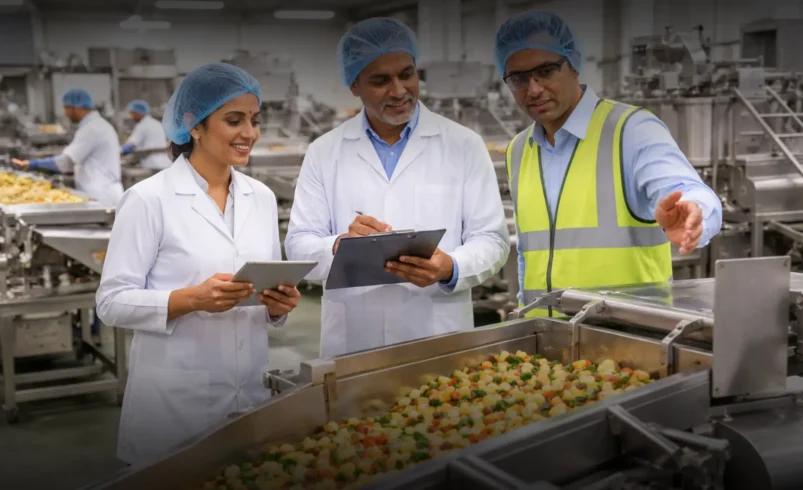

The global food industry is evolving rapidly, driven by rising demand for processed foods, stricter safety standards, and the need for efficiency in production. For manufacturers, distributors, and exporters, investing in the right food processing machinery is essential to remain competitive and scalable.
From bulk food processing equipment to specialized packaging and processing machinery, businesses must align technology, quality, and supply chain efficiency to meet growing market expectations.
Understanding the Scope of Food Processing Machinery
Food processing machinery covers a wide range of equipment used across different stages of food production.
Key categories include:
Cleaning, sorting, and grading machines
Cutting, mixing, and cooking equipment
Preservation and freezing systems
Packaging and sealing machines
Quality inspection and automation systems
These machines form the backbone of industrial food production and ensure consistency, hygiene, and efficiency.
Importance of Bulk Procurement in B2B Operations
Large-scale food businesses require bulk food processing equipment to maintain uniform production standards and reduce costs.
Working with a bulk food processing equipment supplier offers:
Cost advantages through volume purchasing
Standardized machinery across production lines
Faster setup for new facilities
Improved operational efficiency
Better negotiation and long-term contracts
A bulk industrial food machines exporter is particularly valuable for international buyers setting up large processing units.
Role of Manufacturers in Industry Growth
Food processing machinery manufacturers are driving innovation by developing machines that improve efficiency and meet global food safety standards.
Leading industrial food machines manufacturers and packaging machinery manufacturers focus on:
Automation to reduce manual labor
Energy-efficient systems to lower operational costs
Hygienic designs for food safety compliance
Integration with digital monitoring systems
Businesses partnering with advanced manufacturers gain access to cutting-edge technology and customized solutions. To explore how tools and technology are transforming the food and beverage industry, read Must-Know Tools Transforming the Food & Beverage Industry.
Choosing the Right Suppliers for Reliability
Selecting dependable food processing machinery suppliers is critical for ensuring uninterrupted production.
Key factors to evaluate include:
Product quality and durability
Production capacity and delivery timelines
Availability of spare parts and maintenance support
Compliance with safety and hygiene standards
Industry experience and reputation
Industrial food machines suppliers and packaging machinery suppliers with strong networks ensure consistent supply and timely delivery.
Role of Wholesalers and Exporters in Distribution
Food processing machinery wholesalers play a key role in distributing equipment across regions, especially where direct manufacturer access is limited.
On the global stage, food processing machinery exporters manage:
International logistics and shipping
Compliance with import regulations
Bulk order handling and documentation
Working with experienced industrial food machines exporters and packaging machinery exporters simplifies cross-border procurement.
Industrial Food Machines: Driving Efficiency and Scale
Industrial food machines are designed to handle large volumes with precision and consistency.
Key benefits include:
Increased production capacity
Reduced labor dependency
Improved product quality
Enhanced operational efficiency
These machines are essential for businesses aiming to scale production and meet market demand.
Packaging and Processing Machinery: Ensuring Product Integrity
Packaging and processing machinery plays a critical role in preserving product quality and extending shelf life.
Key features include:
Automated packaging systems for speed and accuracy
Sealing and labeling machines for compliance
Vacuum and modified atmosphere packaging solutions
Integration with processing lines
Partnering with a high-quality packaging machinery supplier ensures reliable performance and consistent output.
Premium and Organic Equipment Solutions
The market is witnessing growing demand for advanced and sustainable equipment.
A premium food processing machinery supplier typically offers:
High-performance and automated systems
Customized solutions for specific food categories
Advanced hygiene and safety features
An organic food processing equipment wholesaler focuses on eco-friendly and sustainable machinery designed for organic food production.
Quality Parameters That Define Machinery Performance
Quality is critical in food processing due to strict safety and hygiene requirements.
Key indicators include:
Material quality and corrosion resistance
Compliance with food safety standards
Energy efficiency
Ease of cleaning and maintenance
Durability under continuous operation
Working with established food processing machinery suppliers ensures adherence to these standards.
Logistics and Installation Considerations
Transporting and installing industrial food machines requires careful planning.
Important considerations include:
Safe packaging and transportation
On-site installation and testing
Integration with existing production lines
Training for operators and maintenance staff
Experienced food processing machinery exporters often provide complete project support.
Pricing Strategy in Bulk Procurement
Pricing depends on machine type, technology level, and customization requirements.
Buyers should evaluate:
Initial investment versus long-term returns
Energy consumption and maintenance costs
Bulk purchase discounts
Financing and payment terms
Direct sourcing from food processing machinery wholesalers or manufacturers often ensures better value and reliability.
Building Long-Term Supplier Relationships
Strong supplier partnerships are essential for consistent performance and business growth.
Best practices include:
Clear communication of requirements
Regular performance evaluation
Timely payments
Long-term contracts for stability
Reliable partnerships lead to better service, priority support, and improved commercial terms.
Emerging Trends in Food Processing Machinery
The industry is evolving rapidly with technological advancements.
Key trends include:
Increased automation and smart manufacturing
Integration of IoT for real-time monitoring
Focus on energy-efficient and sustainable machinery
Growth in demand for high-speed packaging systems
Food processing machinery manufacturers and suppliers are aligning with these trends to meet future demand.
Final Thoughts
The demand for food processing machinery is set to grow as the food industry expands and modernizes. For B2B buyers, success depends on building a strong sourcing network that ensures quality, efficiency, and scalability.
Whether working with food processing machinery manufacturers, sourcing from a bulk food processing equipment supplier, or expanding globally through food processing machinery exporters, every decision impacts productivity and profitability.
A well-structured procurement strategy, supported by reliable partners and quality evaluation, can help businesses thrive in the competitive food processing industry.

About Author
Harsha Varthan
Harsha is a highly respected B2B marketing expert who passionately helps sellers and buyers connect, grow their businesses online, and build strong global visibility. His expertise spans SEO, content marketing, lead generation, marketplace strategy, public relations, and result-driven digital growth planning, making him a trusted voice in the industry.