
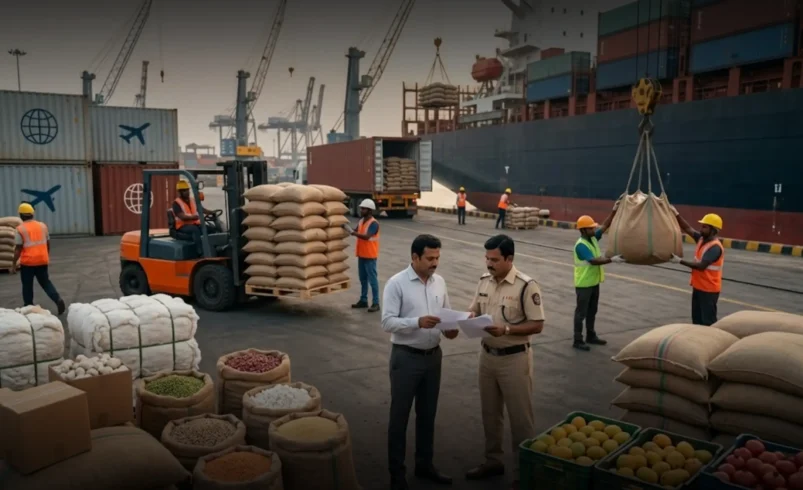

The global demand for agricultural commodities is evolving rapidly, driven by population growth, changing consumption patterns, and increasing cross-border trade. At the center of this ecosystem are farm produce traders exporters, connecting farms to markets, both domestic and international. For B2B buyers, sourcing bulk farm produce is no longer just about price. It is about consistency, quality, logistics, and supplier reliability.
From fresh farm produce to processed commodities like grains, oils, and proteins, businesses today require structured sourcing from dependable agricultural produce suppliers who can deliver at scale.
Market Overview: Growing Demand for Agricultural Trade
Agriculture continues to be one of the most traded sectors globally. India alone exports billions worth of agricultural goods annually, ranging from rice and spices to fruits and seafood.
Key industry trends include:
Rising demand for fresh fruits and vegetables in urban and export markets
Increased consumption of grains and cereals due to population growth
Expansion of edible oils trade driven by food processing industries
Strong global demand for meat, poultry, and seafood products
Growing preference for organic farm produce suppliers in premium markets
These trends are strengthening the role of farm produce traders wholesalers and exporters in global supply chains.
Understanding the Role of Farm Produce Traders
Farm produce traders manufacturers, suppliers, and wholesalers act as intermediaries who aggregate, process, and distribute agricultural goods.
Their responsibilities include:
Sourcing produce directly from farmers or cooperatives
Sorting, grading, and packaging products
Managing storage and transportation
Ensuring compliance with domestic and international standards
Farm produce traders suppliers play a crucial role in maintaining supply chain efficiency and ensuring that buyers receive consistent quality.
Bulk Farm Produce: The Backbone of B2B Trade
Large buyers such as retailers, food processors, and exporters rely heavily on bulk farm produce procurement.
Working with a bulk farm produce supplier offers several advantages:
Competitive pricing through large-volume transactions
Reliable supply for continuous operations
Standardized quality across batches
Efficient logistics and delivery planning
Bulk agricultural produce exporters help international buyers meet demand without disruptions.
Key Product Segments in Farm Produce Trade
The farm produce market is diverse, covering multiple product categories that cater to different industries.
Fresh Fruits and Vegetables
Fresh fruits and vegetables traders handle perishable goods that require efficient cold chain logistics and quick distribution. Quality and freshness are critical in this segment.
Grains and Cereals
Grains and cereals traders deal with staple commodities like rice, wheat, and maize. These products require large-scale storage and standardized grading.
Edible Oils
Edible oils traders supply essential cooking oils derived from crops like mustard, soybean, and palm. This segment is driven by both domestic consumption and industrial demand.
Meat, Poultry, and Seafood
Meat poultry seafood traders manage protein supply chains that require strict hygiene, processing, and cold storage standards. Export compliance is especially important in this category.
Organic and Premium Farm Produce
The demand for organic and premium agricultural products is rising globally.
Organic farm produce suppliers cater to markets that prioritize:
Chemical-free cultivation
Traceability and certification
Higher nutritional value
Sustainable farming practices
An organic farm produce wholesaler ensures that certified products reach bulk buyers efficiently.
A premium farm produce supplier focuses on quality, packaging, and consistency, often serving high-end retail and export markets.
Role of Exporters in Global Trade
Farm produce traders exporters and bulk agricultural produce exporters play a vital role in connecting domestic supply with international demand.
Their responsibilities include:
Managing export documentation and compliance
Ensuring quality standards meet importing country requirements
Handling logistics, shipping, and customs clearance
Maintaining consistency in supply and packaging
Exporters are key to expanding market reach for agricultural products. To understand how India’s export growth is creating new opportunities for agricultural businesses, read India’s Exports Jump 19% in Nov 2025: Don’t Miss Why.
Importance of High-Quality Supply
In B2B trade, quality is a major differentiator.
A high-quality fresh farm produce supplier ensures:
Consistent product grading
Proper packaging to maintain freshness
Compliance with safety and hygiene standards
Reliable delivery schedules
Quality assurance builds long-term relationships with buyers and reduces rejection rates.
Supply Chain and Logistics Considerations
Agricultural supply chains are complex and time-sensitive.
Key logistics factors include:
Cold storage and transportation for perishable goods
Warehousing for bulk commodities
Efficient distribution networks
Timely delivery aligned with demand cycles
Farm produce traders wholesalers with strong logistics capabilities can significantly improve operational efficiency.
Pricing Dynamics in Farm Produce Trade
Pricing in agricultural trade depends on multiple factors:
Seasonal production and availability
Market demand and supply fluctuations
Quality and grading standards
Transportation and logistics costs
Buyers should evaluate not just price but also reliability, consistency, and total cost of procurement.
Building Strong B2B Relationships
Long-term partnerships are essential in agricultural trade.
Best practices include:
Clear agreements on quality and quantity
Transparent pricing and payment terms
Regular communication and updates
Consistent delivery performance
Strong relationships with agricultural produce suppliers and exporters ensure stability in supply chains.
Emerging Trends in Agricultural Trade
The farm produce industry is evolving with new technologies and practices.
Key trends include:
Digital platforms for B2B sourcing
Increased focus on traceability and transparency
Growth in organic and sustainable farming products
Expansion of export markets for agricultural goods
Farm produce traders suppliers and exporters are adapting to these changes to stay competitive.
Final Thoughts
The farm produce traders and exporters ecosystem is a critical component of global food supply chains. With increasing demand for bulk farm produce and fresh agricultural goods, businesses must focus on sourcing from reliable partners.
Whether working with fresh fruits and vegetables traders, grains and cereals traders, or meat poultry seafood traders, choosing the right suppliers is essential for consistent quality and timely delivery.
As global trade continues to expand, businesses that invest in strong supplier relationships, efficient logistics, and high-quality sourcing will be better positioned for growth.