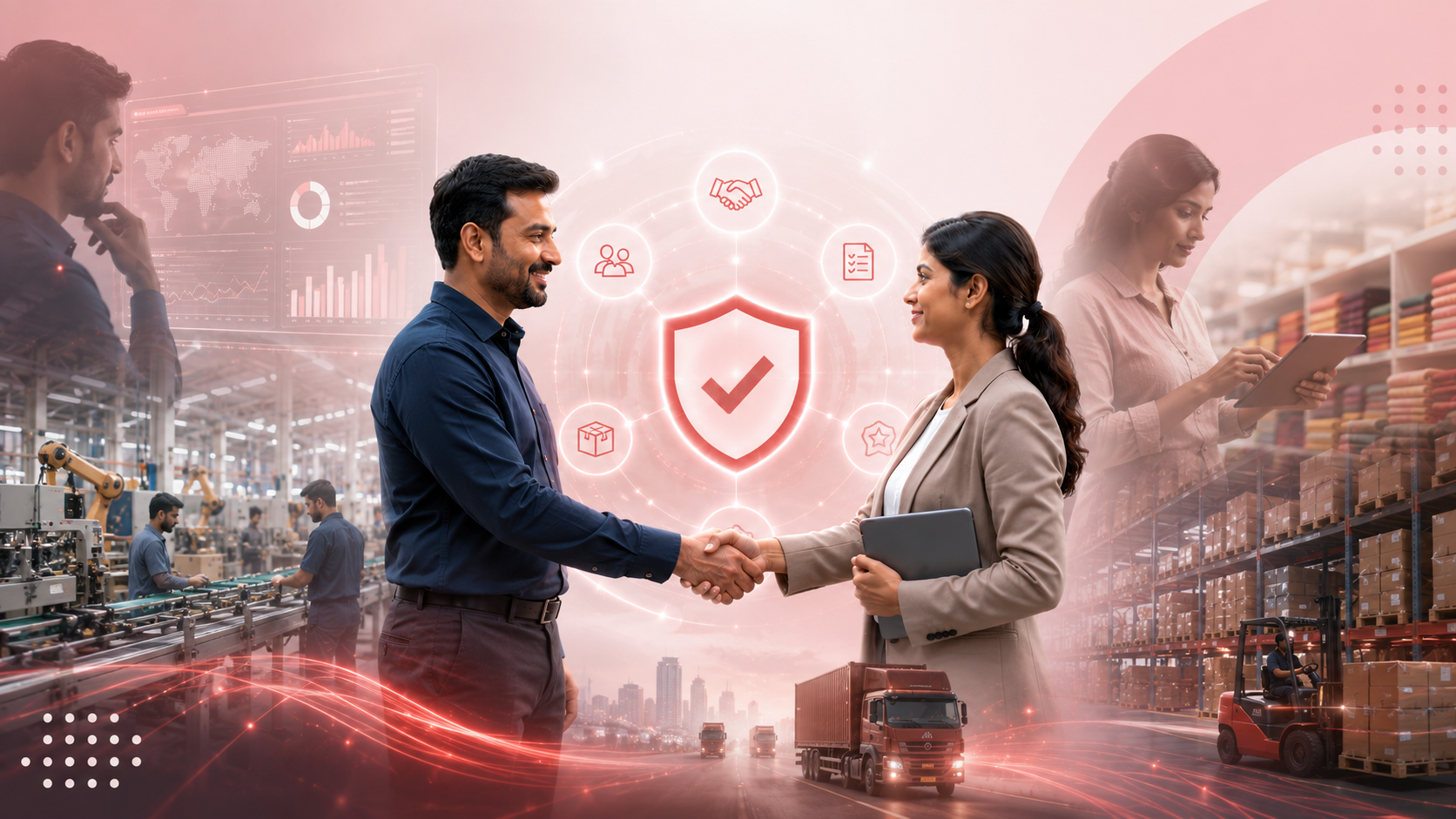

In today’s interconnected business world, managing trade risks has become a critical part of maintaining secure and successful commercial relationships. As businesses increasingly source products, services, and partners through digital platforms and global networks, the chances of encountering unknown or unreliable companies have also grown. Common challenges such as fraudulent businesses, fake suppliers, payment defaults, delivery failures, and contractual disputes can result in significant financial and reputational losses.
This is where business verification plays an essential role. By confirming the authenticity and credibility of potential business partners, companies can take a proactive approach to Trade Risk Reduction, minimizing uncertainty before entering into commercial transactions. Verifying business credentials not only improves transaction security but also builds confidence between trading partners. In this article, we’ll explore the importance of managing trade risks, understand how business verification works, and examine how it helps businesses create safer, more reliable, and long-lasting commercial relationships.
Understanding Trade Risks in Modern Business
Trade risks refer to the uncertainties and potential losses businesses may face while buying, selling, or partnering with other organizations. As companies increasingly operate across regions and digital marketplaces, effective Trade Risk Reduction has become essential for protecting financial investments and maintaining business continuity.
Some of the most common trade-related risks include dealing with fraudulent businesses, fake suppliers, payment defaults, poor product or service quality, delayed deliveries, and contractual disputes. These issues can disrupt supply chains, increase operational costs, delay projects, and negatively affect customer satisfaction.
The consequences of unmanaged trade risks extend beyond financial losses. A single unreliable business transaction can damage a company’s reputation, weaken customer trust, and create long-term challenges for future partnerships. In highly competitive markets, such setbacks can significantly impact growth and profitability.
To reduce these risks, businesses must adopt preventive risk management practices rather than reacting after problems occur. Verifying business information, conducting due diligence, and evaluating supplier credibility before entering into agreements help organizations make informed decisions and build stronger, more secure business relationships.
What Is Business Verification?
Business verification is the process of confirming that a company is legitimate, operational, and capable of conducting business responsibly. It helps organizations validate the authenticity of potential buyers, suppliers, distributors, or business partners before entering into commercial transactions. By verifying essential business information, companies can reduce uncertainty and make more confident business decisions.
A typical business verification process includes reviewing company registration details, GST or other tax registration information, official business address, verified contact details, industry certifications, licenses, website authenticity, digital presence, and business history. These checks help determine whether a company operates legally and maintains a credible presence in the marketplace.
The difference between verified and unverified businesses is significant. Verified businesses provide accurate, transparent, and authenticated information that buyers and partners can rely upon during the evaluation process. In contrast, unverified businesses may have incomplete, outdated, or unverifiable information, making it difficult to assess their legitimacy and operational capability.
By conducting business verification, organizations reduce the likelihood of engaging with unreliable businesses and create a stronger foundation for secure, transparent, and trustworthy commercial relationships.
How Business Verification Supports Trade Risk Reduction
Business verification is one of the most effective tools for Trade Risk Reduction because it allows businesses to identify reliable trading partners before entering into financial or contractual commitments. By validating essential business information, organizations can reduce uncertainty, strengthen due diligence, and make more informed commercial decisions.
Confirms Business Legitimacy
The first step in reducing trade risks is confirming that a business is genuine and legally registered. Verification checks important details such as company registration, tax information, business address, and official contact information, helping businesses distinguish legitimate organizations from fraudulent entities.
Prevents Fraudulent Transactions
Fraud remains one of the biggest risks in commercial transactions. Verifying business credentials significantly reduces the likelihood of dealing with fake suppliers, scam companies, or businesses that misrepresent their products or services. This proactive approach helps protect financial resources and business reputation.
Improves Due Diligence
Effective due diligence depends on access to accurate and verified information. Business verification enables companies to assess a potential partner’s legal status, operational capabilities, certifications, and business history before signing contracts or placing orders.
Enhances Decision-Making
Reliable information supports better supplier and partner selection. Instead of relying solely on marketing claims or pricing, businesses can evaluate verified data to identify organizations that meet their quality, compliance, and operational requirements.
Builds Long-Term Business Trust
Verification creates confidence between trading partners by promoting transparency and accountability. Businesses are more likely to establish long-term commercial relationships with verified organizations that consistently demonstrate reliability, professionalism, and ethical business practices.
Common Verification Checks That Reduce Fraud Risks
Effective fraud prevention begins with verifying critical business information before establishing commercial relationships. Comprehensive business verification helps organizations identify potential risks early and avoid costly mistakes.
One of the most important checks is confirming business registration status to ensure that the company is legally established and authorized to operate. Reviewing tax registration details and regulatory compliance further demonstrates that the business follows applicable legal requirements.
Businesses should also verify company ownership information, official contact details, and registered business addresses to confirm authenticity. Industry certifications and licenses provide additional assurance that the organization meets recognized quality and operational standards.
Customer reviews, testimonials, and overall market reputation offer valuable insights into a company’s reliability and past performance. Evaluating a business’s website authenticity, digital presence, and professional communication channels helps determine whether the organization maintains a credible online identity. Reviewing business experience and operational history further strengthens confidence by demonstrating stability and industry expertise.
Together, these verification checks create a strong foundation for fraud prevention, helping businesses reduce uncertainty, avoid fraudulent transactions, and establish safer, more reliable commercial partnerships.
Benefits of Trade Risk Reduction Through Verification
Investing in Trade Risk Reduction through business verification offers long-term benefits that extend well beyond preventing fraudulent transactions. By verifying business partners before entering into commercial agreements, organizations can make more informed decisions and protect both their financial interests and reputation.
One of the most significant advantages is the reduction of financial losses. Working with verified businesses lowers the risk of payment fraud, failed deliveries, and costly disputes that can disrupt operations. Verification also improves confidence among buyers and suppliers, creating a stronger foundation for transparent and reliable business relationships.
Businesses that prioritize verification often experience fewer legal and contractual issues because they enter agreements with organizations that have already demonstrated legitimacy and compliance. Procurement and sourcing decisions also become more efficient, as verified information enables buyers to evaluate suppliers with greater confidence.
Reliable suppliers contribute to stronger and more resilient supply chains by consistently meeting quality standards and delivery commitments. Over time, these positive experiences enhance a company’s reputation and support long-term business sustainability.
Rather than viewing verification as an additional administrative task, businesses should consider it a valuable investment. A proactive verification process helps reduce uncertainty, strengthens commercial relationships, and creates a more secure environment for sustainable business growth.
Best Practices for Reducing Trade Risks
Reducing trade risks requires a proactive approach that combines business verification, continuous monitoring, and effective fraud prevention strategies. Businesses that follow consistent verification practices are better equipped to identify reliable partners and avoid costly commercial risks.
Every new supplier, buyer, or business partner should be verified before entering into any financial or contractual agreement. Conducting regular due diligence helps ensure that important business information remains accurate and that partners continue to meet regulatory and operational requirements.
Maintaining updated business records and reviewing certifications, licenses, and compliance documents are essential steps in verifying a company’s credibility. Businesses should also monitor supplier performance over time by evaluating product quality, delivery reliability, and service consistency.
Using trusted B2B platforms that offer verification features can simplify the supplier evaluation process and provide additional confidence during procurement. Finally, documenting agreements clearly and maintaining transparent communication throughout the business relationship help minimize misunderstandings and strengthen accountability.
By following these best practices, organizations can reduce uncertainty, improve decision-making, and build stronger, more secure commercial partnerships.
The Future of Trade Risk Reduction
The future of Trade Risk Reduction is being shaped by technologies that make business verification more accurate, efficient, and reliable. Artificial intelligence is enabling faster verification by analyzing business data, detecting inconsistencies, and identifying potential risks before they affect commercial transactions.
Digital business identity verification is simplifying the process of confirming the authenticity of organizations, while blockchain-secured business records are creating tamper-resistant documentation that improves transparency across supply chains.
Automated compliance monitoring will help businesses ensure that trading partners continue to meet regulatory requirements without extensive manual reviews. Real-time business data validation will keep company information current, enabling organizations to make decisions based on accurate and up-to-date information. AI-powered predictive risk analysis will further strengthen risk management by identifying warning signs before problems arise.
Together, these innovations will improve transparency, reduce fraud risks, strengthen business confidence, and enable organizations to establish safer and more reliable commercial relationships in an increasingly digital economy.
Conclusion
Trade risks can have a significant impact on business profitability, operational efficiency, and long-term growth. From fraudulent transactions to unreliable suppliers and contractual disputes, businesses face numerous challenges that require proactive risk management. Business verification has become one of the most effective tools for Trade Risk Reduction, helping organizations identify trustworthy partners before entering into commercial transactions.
Effective fraud prevention begins with verifying business credentials, evaluating credibility, and conducting thorough due diligence. These practices reduce uncertainty, improve procurement decisions, and strengthen confidence throughout the supply chain.
Businesses that make verification an integral part of their risk management strategy are better positioned to build secure partnerships, protect their reputation, and achieve sustainable growth. In today’s increasingly connected business environment, investing in verification is not just a precaution; it is a strategic advantage that supports long-term success.
FAQs: How Business Verification Helps Reduce Trade Risks
Trade Risk Reduction refers to the strategies businesses use to minimize potential losses and uncertainties during commercial transactions. It involves verifying partners, conducting due diligence, and implementing measures to prevent fraud, payment issues, and supply chain disruptions.
Business verification helps reduce trade risks by confirming the authenticity, credibility, and operational capability of potential partners. It allows businesses to identify reliable suppliers and avoid fraudulent or unreliable companies before entering agreements.
Business verification typically checks company registration details, tax information, official address, contact details, certifications, licenses, website authenticity, and business history to confirm legitimacy.
Verifying suppliers helps businesses avoid risks such as fake companies, poor-quality products, delayed deliveries, and payment fraud. It enables companies to select reliable partners and build stronger commercial relationships.
Yes, business verification builds trust and transparency between trading partners. By working with verified businesses, companies can create more secure partnerships, improve collaboration, and support sustainable business growth.