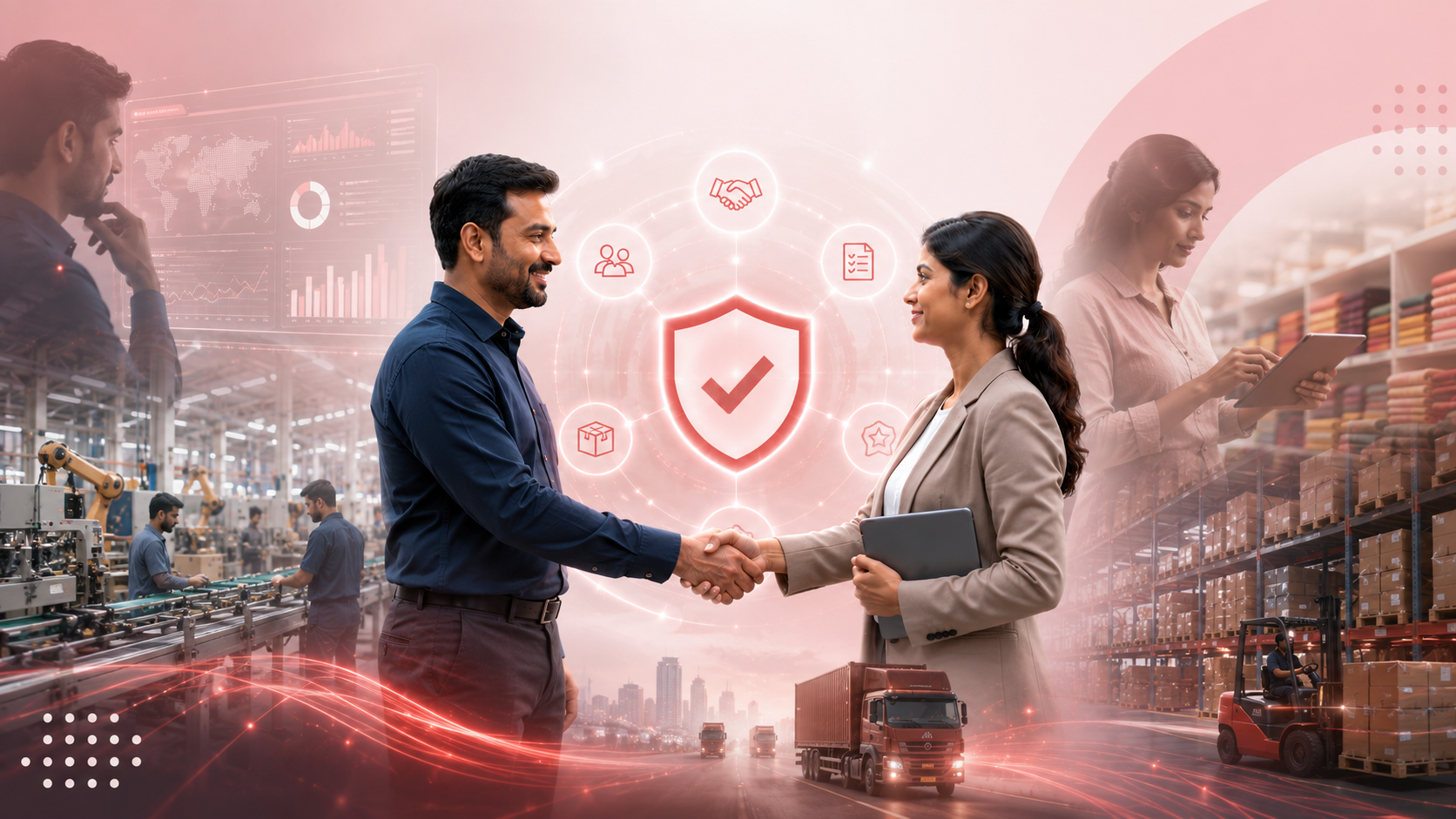


In today’s fast-paced business environment, trust is more than just a desirable quality; it is the foundation of every successful business relationship. As companies increasingly use digital platforms to connect with buyers, suppliers, and business partners, verifying the credibility of those they work with has become more important than ever. Without proper Business Verification, organizations may face risks such as fraud, poor product quality, delayed deliveries, financial losses, and damaged reputations.
A thorough verification process helps businesses confirm that a company is legitimate, reliable, and capable of delivering on its commitments. This not only reduces uncertainty but also creates confidence among stakeholders, leading to stronger and more sustainable partnerships. In this article, we’ll explore why trust is essential in business, what Business Verification involves, the risks of working with unverified businesses, and how verification helps build secure and successful business relationships.
Why Trust Is the Foundation of Every Business Relationship
Trust plays a critical role in every business transaction, regardless of industry or company size. Buyers are more likely to purchase from businesses they believe are reliable, while organizations prefer partnering with companies that consistently demonstrate professionalism and transparency. Strong trust in business encourages open communication, minimizes misunderstandings, and creates an environment where both parties can work toward shared goals.
Credibility also influences how businesses are perceived in the marketplace. Companies with a reputation for honesty, quality, and reliability are better positioned to attract new customers while retaining existing ones. Trust reduces the need for constant monitoring and repeated verification during ongoing partnerships, making collaboration more efficient and productive.
Long-term business relationships are rarely built on price alone. Factors such as timely delivery, ethical business practices, responsive customer service, and consistent quality contribute significantly to earning trust. When businesses know they can depend on their partners, they are more willing to invest in long-term collaborations that benefit both sides. This is why organizations increasingly prioritize working with reliable and transparent companies that have established credibility in the market.
What Is Business Verification?
Business Verification is the process of confirming that a company is legitimate, operational, and capable of conducting business responsibly. It helps buyers, suppliers, investors, and business partners validate essential information before entering into commercial agreements. Verification reduces uncertainty by ensuring that the organization they are dealing with is genuine and meets basic legal and operational requirements.
A comprehensive business verification process typically includes checking the company’s registration details, GST or other tax registration information, official business address, contact information, and applicable certifications or licenses. It may also involve reviewing the company’s website, online presence, business history, and other publicly available information to assess its credibility.
The difference between a verified and an unverified business can be significant. A verified business provides transparent and authentic information that can be independently confirmed, giving potential partners greater confidence in their decision-making. An unverified business, on the other hand, may have incomplete, outdated, or unverifiable details, making it difficult to assess its legitimacy. As businesses increasingly operate through digital channels, Business Verification has become an essential step in reducing risks and building trustworthy commercial relationships.
Risks of Working with Unverified Businesses
Choosing to work with an unverified business can expose organizations to a wide range of operational, financial, and reputational risks. One of the biggest concerns is the possibility of dealing with fake suppliers or fraudulent companies that misrepresent their identity, products, or capabilities. Such businesses may accept payments without delivering goods or provide products that fail to meet agreed quality standards.
Poor product or service quality is another common challenge. Without proper Business Verification, businesses may unknowingly partner with suppliers that lack the experience, infrastructure, or certifications required to fulfill their commitments. This can result in delayed deliveries, production disruptions, customer dissatisfaction, and additional operational costs.
Financial risks are equally significant. Payment fraud, fake invoices, and misleading business information can lead to direct monetary losses. Furthermore, when disputes arise, unverified businesses often lack accountability, making legal resolution or contract enforcement more difficult.
Working with unreliable companies can also damage a business’s reputation. Customers and stakeholders expect organizations to collaborate with credible partners, and any failure within the supply chain can negatively impact brand trust. In procurement, these risks can slow decision-making and increase due diligence costs.
Implementing proper Business Verification significantly reduces these challenges by helping businesses confirm the authenticity, credibility, and reliability of potential partners before entering into transactions. This proactive approach creates greater confidence and supports safer, more successful business relationships.
Benefits of Choosing Verified Suppliers
Working with verified suppliers offers businesses a significant advantage in today’s competitive marketplace. A thorough Business Verification process helps organizations identify trustworthy partners, reduce uncertainty, and make informed procurement decisions. Whether sourcing products or selecting service providers, verified businesses contribute to smoother operations and stronger commercial relationships.
Better Credibility
Verified suppliers provide authentic business information that buyers can trust. Details such as company registration, tax identification, certifications, and verified contact information demonstrate legitimacy and build confidence among potential customers and partners. This credibility makes it easier for businesses to establish new relationships and expand their professional networks.
Improved Product and Service Quality
Businesses that complete verification processes are often committed to maintaining professional standards. They are more likely to deliver consistent product quality, reliable services, and timely support, helping buyers meet customer expectations while minimizing operational disruptions.
Reduced Business Risks
Choosing verified suppliers lowers the likelihood of dealing with fraudulent companies or unreliable vendors. Business Verification helps businesses identify genuine partners, reducing the risks of payment fraud, supply chain disruptions, and contractual disputes.
Faster Procurement Decisions
When supplier information has already been verified, buyers spend less time conducting extensive background checks. Verified business profiles provide readily available information, enabling procurement teams to compare suppliers more efficiently and make faster purchasing decisions.
Stronger Long-Term Partnerships
Trust is the foundation of lasting business relationships. Working with verified suppliers encourages transparency, reliability, and consistent performance, leading to repeat business, improved collaboration, and mutually beneficial partnerships that support long-term growth.
How Business Verification Strengthens Online B2B Transactions
The rapid growth of digital supplier discovery has transformed how businesses connect with potential partners. Instead of relying solely on personal networks or offline directories, buyers now use online B2B marketplaces to identify suppliers, compare offerings, and request quotations. In this environment, Business Verification has become essential for building confidence and ensuring secure transactions.
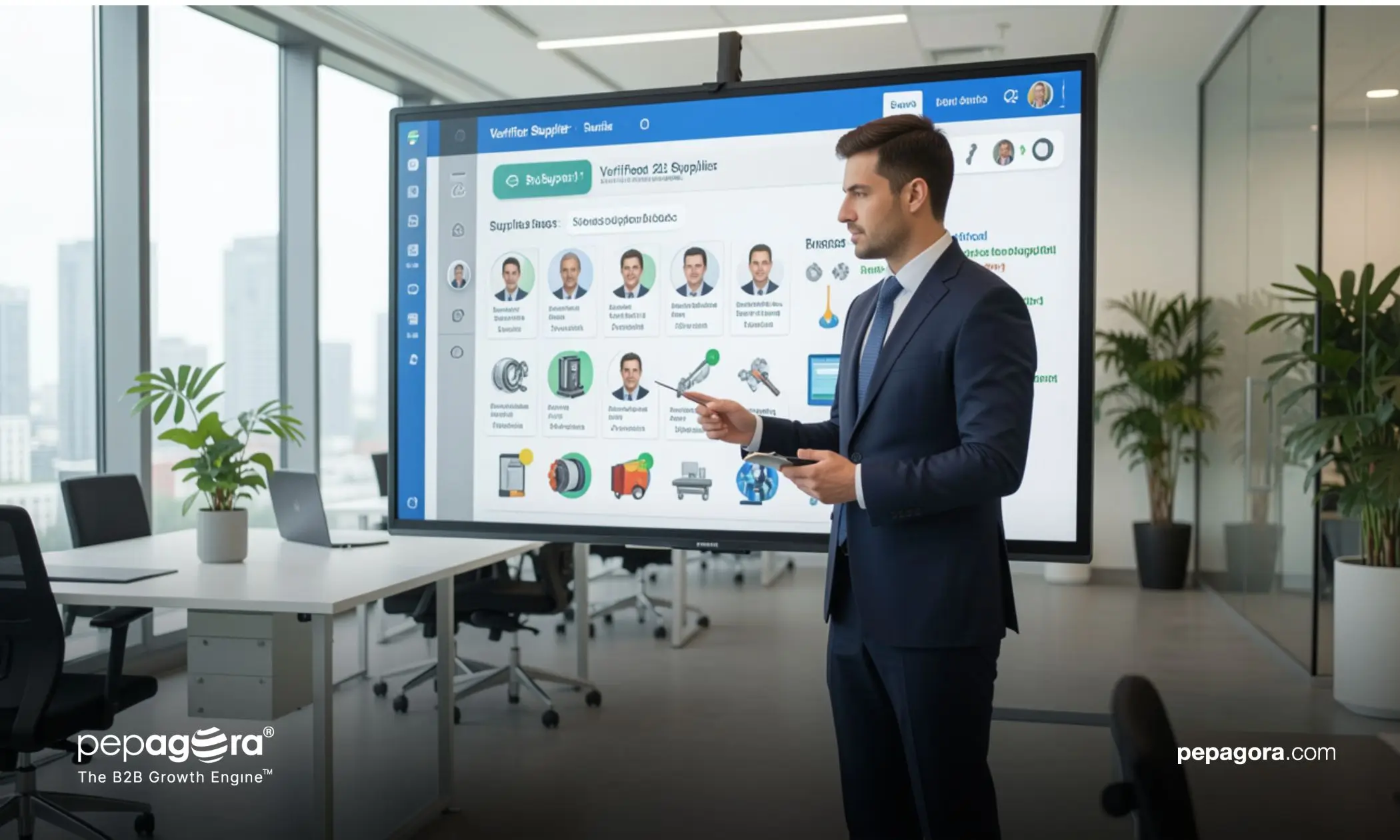
Verified business profiles provide buyers with reliable information that supports informed decision-making. Features such as verified badges, complete company profiles, customer reviews, industry certifications, and documented business history serve as digital trust signals that help businesses assess supplier credibility before initiating transactions.
These trust indicators reduce uncertainty by making it easier to distinguish genuine businesses from fraudulent or inactive listings. Buyers can evaluate verified suppliers more efficiently, compare their qualifications, and proceed with greater confidence.
As digital procurement continues to grow, online verification is becoming a standard expectation rather than an added benefit. Businesses that maintain verified profiles are more likely to earn buyer trust, generate quality enquiries, and establish meaningful commercial relationships. In an increasingly digital marketplace, Business Verification plays a vital role in creating secure, transparent, and efficient B2B transactions.
Best Practices for Building Trust in Business
Building lasting trust in business requires consistent effort and a commitment to transparency. Whether dealing with customers, suppliers, or business partners, organizations that demonstrate reliability are more likely to establish successful long-term relationships.
A good starting point is verifying the credentials of every potential business partner before entering into agreements. Reviewing company registration, certifications, tax details, and operational history helps reduce uncertainty and supports better decision-making.
Transparent communication is equally important. Businesses should provide accurate information, respond promptly to enquiries, and clearly define expectations throughout every transaction. Delivering consistent product quality and reliable services further strengthens confidence among customers and partners.
Organizations should also honor contractual commitments by meeting agreed timelines, maintaining quality standards, and resolving issues professionally. Sharing certifications, industry recognitions, and notable business achievements enhances credibility and demonstrates expertise.
Customer reviews and testimonials serve as valuable social proof, helping prospective buyers evaluate a company’s reliability. Encouraging satisfied customers to share their experiences can significantly improve business reputation. Finally, keeping company information updated across websites, B2B platforms, and digital directories ensures that partners always have access to accurate and verified information, reinforcing long-term trust and credibility.
The Future of Business Verification
The future of Business Verification is being shaped by advanced technologies that make business transactions faster, safer, and more transparent. Artificial intelligence is enabling smarter verification processes by analyzing business data, identifying inconsistencies, and detecting potential fraud more efficiently. At the same time, digital identity verification is simplifying the process of confirming the authenticity of businesses and their representatives.
Emerging technologies such as blockchain are expected to create secure, tamper-proof business records that improve transparency and trust across supply chains. Automated compliance checks can help businesses ensure that suppliers continue to meet legal and regulatory requirements, while real-time business data validation keeps company information accurate and up to date.
As digital commerce continues to expand, verified digital business profiles will become increasingly important for building credibility and attracting new business opportunities. These innovations will reduce uncertainty, strengthen trust, and create a more secure environment for businesses to establish reliable partnerships and conduct transactions with confidence.
Conclusion
Trust is one of the most valuable assets in any business relationship, influencing everything from purchasing decisions to long-term partnerships. In an increasingly digital marketplace, Business Verification has become an essential practice for reducing uncertainty, minimizing transaction risks, and ensuring that businesses engage with genuine and reliable partners.
Choosing verified suppliers helps organizations improve credibility, enhance operational efficiency, and reduce the likelihood of fraud or supply chain disruptions. At the same time, fostering trust in business through transparency, consistent performance, and verified information creates stronger relationships that benefit all parties involved.
Businesses that prioritize verification and maintain transparent business practices are better equipped to build lasting partnerships, strengthen their reputation, and achieve sustainable growth. As technology continues to improve verification processes, investing in trust and authenticity will remain a key driver of long-term business success.
FAQs: Why Trust and Verification Matter in Business Transactions
Business Verification is the process of confirming that a company is legitimate, reliable, and capable of conducting business responsibly. It involves checking details such as company registration, tax information, certifications, contact details, and business history.
Business Verification helps businesses reduce risks like fraud, unreliable suppliers, payment issues, and poor-quality products. It allows buyers and suppliers to build confidence and create stronger business relationships.
Working with unverified businesses can result in fake suppliers, delayed deliveries, financial losses, inconsistent product quality, and reputation damage. Verification helps businesses identify trustworthy partners before making commitments.
Verified suppliers provide transparent business information, improve buyer confidence, reduce procurement risks, and help companies make faster and more informed sourcing decisions.
Technologies like artificial intelligence, digital identity verification, and blockchain help make Business Verification faster, more accurate, and secure by validating business information and detecting potential risks.