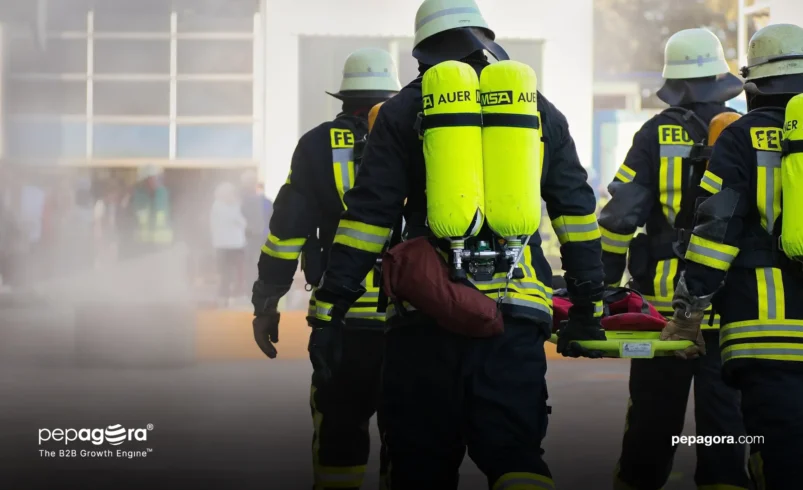

Every industrial workplace presents potential hazards that can threaten employee health and safety. From falling objects and flying debris to chemical exposure, electrical hazards, excessive noise, and airborne contaminants, workers face risks that require effective protection. While employers should always eliminate hazards whenever possible, not every risk can be removed. This is where Safety Equipment, commonly known as Personal Protective Equipment (PPE), becomes essential.
Understanding the different types of industrial safety equipment and their applications is an important part of workplace risk management.
PPE acts as the final barrier between workers and workplace hazards, helping reduce the severity of injuries when unexpected incidents occur. However, protective equipment is only effective when the right PPE is selected, fits properly, is regularly inspected, and is consistently worn by every employee. Combined with hazard assessments, employee training, and preventive safety measures, PPE plays a vital role in building a safer and more productive workplace.
Why Safety Equipment Is Critical
Workplace safety follows the Hierarchy of Controls, where hazard elimination and engineering controls are always the preferred solutions. PPE is used only after these measures have been implemented because it protects workers from the remaining risks that cannot be fully controlled.
Using appropriate safety equipment not only prevents injuries but also reduces medical expenses, production downtime, compensation claims, and equipment damage. More importantly, it gives employees the confidence to perform their duties safely and efficiently.
Industries such as manufacturing, construction, mining, chemical processing, warehousing, logistics, and oil and gas depend heavily on PPE to protect workers during daily operations.
Common Types of Safety Equipment
Different workplace hazards require different forms of protection. Employers should conduct a thorough risk assessment before selecting PPE for employees.
Safety Equipment | Protection Provided | Common Applications |
Safety Helmet | Protects against head injuries from falling objects | Construction, manufacturing, mining |
Safety Glasses and Goggles | Prevent eye injuries from dust, sparks, and chemicals | Welding, machining, laboratories |
Safety Gloves | Protect hands from cuts, burns, chemicals, and abrasions | Fabrication, maintenance, chemical handling |
Safety Shoes | Reduce injuries from heavy objects, punctures, and slips | Warehouses, factories, construction sites |
Respirators | Protect lungs from dust, fumes, vapors, and harmful particles | Mining, painting, chemical plants |
Hearing Protection | Reduces exposure to excessive workplace noise | Manufacturing, heavy equipment operations |
Selecting PPE based solely on price can compromise worker safety. Equipment should comply with recognized safety standards and match the specific hazards present in the workplace.
Proper PPE Use and Maintenance
Providing safety equipment alone does not guarantee protection. Employees must know how to wear, adjust, inspect, clean, and store their PPE correctly. Improper use can significantly reduce its effectiveness.
An effective PPE management program should include:
- Workplace hazard assessments
- Employee safety training
- Routine PPE inspections
- Proper cleaning and storage
- Immediate replacement of damaged equipment
- Regular toolbox talks and safety awareness sessions
Many workplace accidents occur not because PPE is unavailable, but because workers remove it, wear it incorrectly, or continue using damaged equipment.
Building a Strong Safety Culture
Safety equipment should never be viewed as a substitute for hazard elimination. Instead, it should complement engineering controls, safe work procedures, and employee training.
Creating a strong safety culture requires commitment from both employers and workers. Management should provide quality PPE, conduct regular inspections, and encourage employees to report damaged equipment or unsafe conditions immediately. Employees, in turn, must understand that wearing PPE is a personal responsibility that protects not only themselves but also their coworkers.
Organizations that promote consistent PPE use experience fewer workplace injuries, improved productivity, better regulatory compliance, and stronger employee confidence.
For guidance on PPE requirements and workplace safety practices, refer to the Occupational Safety and Health Administration (OSHA)
Final Thoughts on Workplace Safety Equipment
Safety equipment is far more than a regulatory requirement—it is an essential investment in protecting lives. While engineering controls and safe work practices reduce workplace hazards, PPE provides the final layer of defense when risks remain. Choosing the right equipment, ensuring proper fit, conducting regular inspections, and providing ongoing training all contribute to a safer work environment. When every employee understands the importance of wearing PPE correctly and consistently, organizations can reduce workplace injuries, improve operational efficiency, and build a lasting culture of safety where everyone returns home safely at the end of the day.
“The best PPE is the one that is worn correctly, every time, by every worker.”
FAQs
Safety equipment, or Personal Protective Equipment (PPE), includes protective gear such as helmets, gloves, safety shoes, goggles, respirators, and hearing protection that helps protect workers from workplace hazards.
PPE acts as the final layer of protection when workplace hazards cannot be completely eliminated. It helps reduce the risk and severity of injuries while improving overall workplace safety.
Safety equipment should be inspected before each use and regularly maintained according to the manufacturer's recommendations. Damaged, worn, or expired PPE should be replaced immediately to ensure effective protection.