
According to a TechSci Research report, the Global Thermoform Packaging Market was valued at USD 46.15 billion in 2024 and is expected to reach USD 61.78 billion by 2030, growing at a CAGR of 5.18% during the forecast period.In the modern industrial landscape, thermoformed packaging solutions have become the gold standard for businesses requiring precision, consistency, and cost-efficiency.
These packaging formats are meticulously engineered to provide superior product protection, ease of handling, and optimized storage during complex transportation cycles.
Why Choose Thermoformed Solutions?
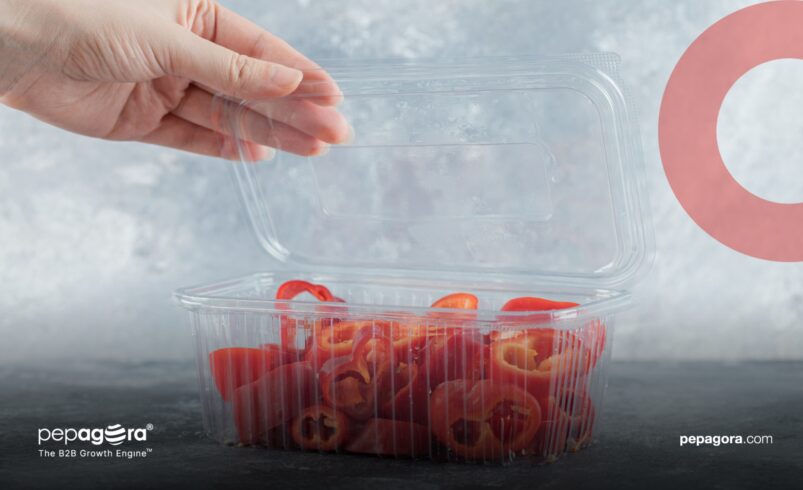
Different thermoformed designs such as blisters, trays, and clamshells are selected based on specific product geometry and stacking requirements. This ensures maximum durability and uniformity, allowing for smooth, automated packaging operations.
Industry Facts & External Insights
Material Sustainability: According to the U.S. Environmental Protection Agency (EPA), the industry is increasingly moving toward “Circular Economy” models, utilizing recycled PET (rPET) in thermoforming to reduce plastic waste.
Market Growth: Research shared by Fortune Business Insights suggests the thermoforming market is expanding rapidly due to the rising demand for lightweight and thin-wall packaging in the electronics and medical sectors.
Standardization: The ISO (International Organization for Standardization) provides rigorous benchmarks for packaging and the environment, ensuring that industrial thermoformed products meet global safety and quality requirements.
Key Points of the Content
Precision Engineering: Custom-fit designs reduce movement within the package, preventing damage.
Cost Efficiency: High-speed production capabilities make thermoforming more affordable than injection molding for large batches.
Space Optimization: Designed for nesting and stacking to minimize shipping costs.
Material Versatility: Uses materials ranging from HIPS (High Impact Polystyrene) to PET and PVC.
Industrial Thermoformed Solutions 2026
Optimize your supply chain with high-precision thermoforming. Compare standard industrial formats to determine the best fit for your logistics and protection needs.
| Packaging Type | Best Used For | Key Benefit |
|---|---|---|
| Thermoformed Trays | Heavy industrial parts & components | High structural strength and nesting |
| Blister Packs | Small electronic components | Tamper evidence & clear visibility |
| Clamshells | Tools and delicate hardware | 360-degree protection & re-sealability |
Market Insight: According to the U.S. EPA and ISO, transitioning to thermoformed solutions using recycled materials (rPET) is a critical step toward the 2026 goal of circular manufacturing. Access the latest in sustainable printing and packaging by connecting with verified suppliers on Pepagora.
Pepagora Resources
To find reliable thermoformed packaging suppliers or explore more about industrial solutions, visit the following links:
Pepagora Home Page – Your gateway to global B2B marketplace.
Packaging & Printing Solutions on Pepagora – Browse a wide range of industrial packaging categories.
Pepagora Blog – Stay updated with the latest trends in global trade and manufacturing.
Industrial Packaging FAQ 2026
Thermoformed Packaging Solutions
Expert answers on precision engineering, cost-efficiency, and finding reliable packaging suppliers on Pepagora.
It is a manufacturing process where a plastic sheet is heated until pliable, formed into a specific shape using a mold, and trimmed to create durable industrial packaging like trays or blisters.
Thermoformed products are designed to be "nestable," meaning empty units stack inside each other. This drastically reduces the space required for storage and lowers overall transportation costs.
Yes. Many modern solutions utilize recycled PET (rPET) and are 100% recyclable. Industry leaders are increasingly adopting circular economy models to reduce plastic waste in 2026.
It is widely used in the automotive (for parts trays), medical (for sterile blister packs), electronics, and food sectors due to its high precision and protective qualities.
You can visit the Packaging & Printing category on Pepagora to connect with verified manufacturers globally.
For large-scale industrial packaging, thermoforming typically offers lower tooling costs and faster production times, making it more cost-effective for high-volume orders.
Absolutely. They are engineered with tight tolerances to ensure they work seamlessly with robotic pick-and-place systems and conveyor-based automation.
Common materials include HIPS (High Impact Polystyrene), PET, PVC, and HDPE, selected based on the required strength, clarity, and chemical resistance of the product.
Pepagora highlights "Verified" suppliers and provides access to company profiles where you can check for certifications like ISO 9001 to ensure manufacturing quality.
Stay updated on the latest in manufacturing and trade by visiting the Pepagora Blog for expert insights.

His expertise lies at the critical junction of production planning and operational excellence. Rohan recognizes that in today’s competitive manufacturing landscape, success is built on the synergy of cost optimization and high-performance team leadership.