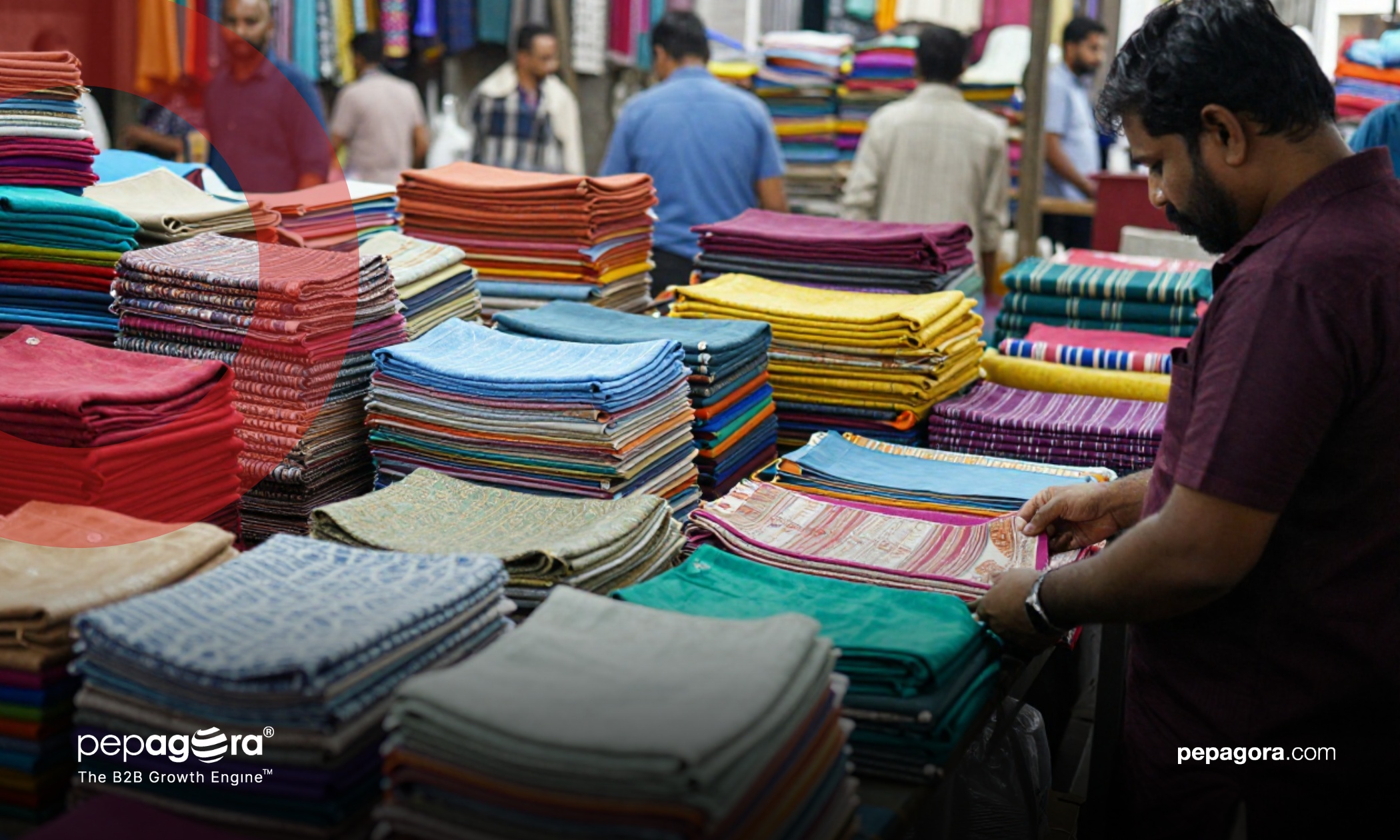
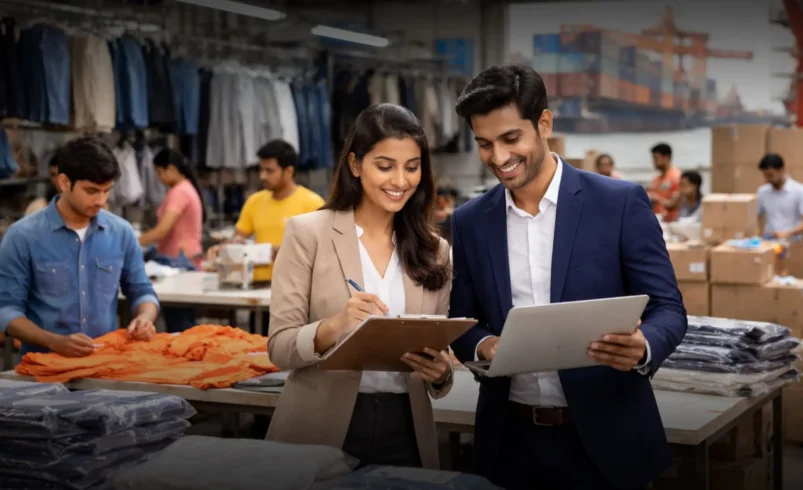

India has long been a major force in the global fashion and textile trade. From cotton cultivation to finished garments, the country holds one of the most complete textile value chains in the world. According to data from the Ministry of Textiles, India’s textile and apparel sector contributes around 2.3 percent to the national GDP and supports more than 45 million direct jobs.
For entrepreneurs, exporters, sourcing agents, and manufacturers, the apparel industry offers massive opportunity. Yet competition is also increasing quickly. Businesses that understand sourcing trends, buyer expectations, and digital trade channels tend to perform far better than those relying only on traditional wholesale networks.Below are practical insights for businesses working with apparel manufacturers India, exporters, sourcing companies, and fashion entrepreneurs.
Understanding the Structure of the Indian Apparel Industry
India’s apparel supply chain is broad and diverse. It includes raw fiber production, spinning mills, fabric manufacturing, garment production, and export distribution.
The country is one of the largest producers of cotton and also a significant manufacturer of synthetic textiles. Major apparel production hubs include:
• Tiruppur for knitwear
• Ludhiana for woollens
• Surat for synthetic fabrics
• Delhi NCR and Noida for export garments
• Jaipur for ethnic fashion and handicraft apparel
Businesses searching for garment manufacturers India often find that each cluster specializes in different product categories such as sportswear, kidswear, denim, or ethnic garments.
This specialization allows buyers to work with bulk clothing suppliers who understand product specific manufacturing processes.
Rising Global Demand for Indian Apparel Exports
India’s apparel exports continue to grow due to competitive manufacturing costs and skilled labor. In the financial year 2023, India exported more than USD 16 billion worth of ready made garments to global markets.
The major export destinations include:
• United States
• European Union
• United Kingdom
• United Arab Emirates
• Canada
• Australia
International buyers often search online for apparel exporters India or private label clothing manufacturers when sourcing new product lines.
Private label manufacturing has become particularly important for ecommerce brands, boutique fashion labels, and international retailers who want customized designs with their own branding.
The Growing Demand for Private Label Clothing Manufacturing
Private label fashion is expanding rapidly. Small brands and online fashion startups prefer working with OEM clothing manufacturers who can produce garments under the brand name of the buyer.
Services typically provided by these manufacturers include:
• Pattern development
• Sampling
• Fabric sourcing
• Custom labeling
• Bulk garment production
Many startups entering the fashion industry search for private label clothing manufacturers India because the country offers flexibility in small to medium production quantities compared to many large manufacturing nations.
This model allows fashion entrepreneurs to launch new collections without building their own factories.
Digital B2B Sourcing Is Changing the Industry
Traditionally, apparel sourcing relied on trade fairs, agents, and long standing industry networks. However, modern sourcing increasingly happens online.
Buyers now search digitally for:
• wholesale clothing suppliers India
• apparel sourcing India
• fashion accessories suppliers
• bulk garment exporters
This shift means manufacturers who maintain strong online product catalogs and verified business profiles gain more international inquiries.
Digital sourcing platforms also help reduce communication barriers between manufacturers and global buyers.
Sustainability Is Becoming a Major Buying Factor
Fashion brands across the world are under pressure to adopt environmentally responsible production methods. As a result, demand for sustainable clothing manufacturers India is rising.
Many apparel buyers now require suppliers to demonstrate:
• Organic cotton sourcing
• Water efficient dyeing processes
• Waste reduction systems
• Ethical labor practices
India has an advantage in this area because it is one of the largest producers of organic cotton. Manufacturers who adopt eco friendly production practices often attract long term international buyers.
Key Challenges Apparel Businesses Must Address
Despite strong growth potential, the apparel industry faces several operational challenges.
Raw Material Price Fluctuations
Cotton prices can vary significantly due to climate conditions and global demand. This affects production costs for many textile manufacturers India.
Compliance Requirements
Export markets such as the European Union require strict product compliance including chemical safety standards, labeling rules, and sustainability certifications.
Supply Chain Delays
Global shipping disruptions can affect delivery schedules, especially for businesses working with international fashion retailers.
Increasing Competition
Countries like Bangladesh, Vietnam, and Turkey are also strong players in garment manufacturing. Indian companies must maintain quality and efficient production timelines to remain competitive.
Practical Tips for Apparel Businesses
Entrepreneurs in the fashion supply chain can strengthen their business with several practical strategies.
Build a Strong Supplier Network
Working with multiple bulk clothing suppliers ensures production continuity even when one supplier faces capacity limitations.
Focus on Product Specialization
Manufacturers that specialize in specific categories such as sportswear, denim, or organic garments often gain stronger brand recognition among buyers.
Improve Digital Visibility
Maintaining online product catalogs and searchable company profiles helps attract global buyers searching for apparel sourcing India.
Offer Flexible Minimum Order Quantities
Small fashion brands often prefer manufacturers who allow moderate order volumes during initial production runs.
Future Outlook for the Apparel Industry
The Indian apparel sector is expected to expand steadily in the coming years. Government initiatives such as Production Linked Incentive schemes and textile parks are encouraging manufacturing growth.
Industry estimates suggest that India’s textile and apparel market could reach USD 350 billion by 2030.
For manufacturers, exporters, and fashion entrepreneurs, this growth means more opportunity in:
• private label manufacturing
• sustainable garment production
• global ecommerce fashion supply chains
• digital B2B sourcing networks
Businesses that combine manufacturing capability with modern sourcing strategies will be best positioned to benefit from this expansion.