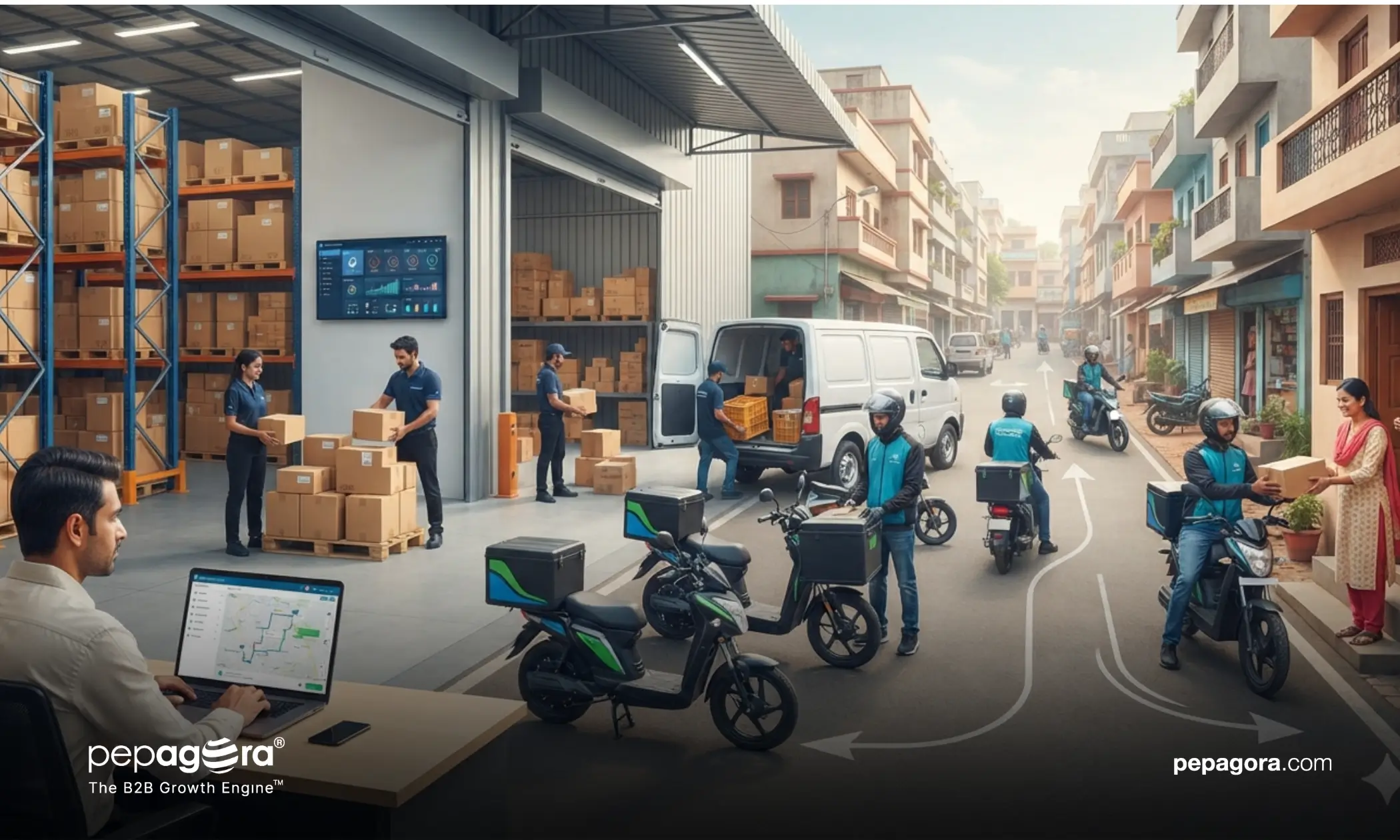

The logistics operations for MSMEs can be the key source of their high expenses. There are several reasons: fuel, maintenance of vehicles, packing materials, delays in deliveries, deadheading, and improper routing can be the factors increasing the expenses of delivering goods.
In addition, the operations mentioned above lead to emissions. Green logistics is the tool for dealing with such two issues at once. The MSMEs will not treat sustainability as a new cost driver but will concentrate on the operational optimization which will reduce the expenses connected with the fuel consumption, deadheading, and waste resources.
Also, NITI Aayog’s 2026 roadmap of green transition of MSMEs includes vehicles and operations of businesses as the sources of direct emissions.
Optimise Delivery Routes
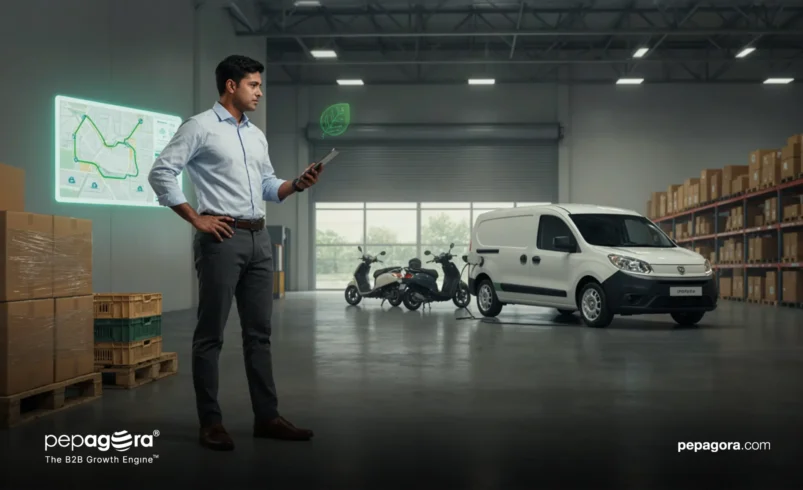
One of the easiest things one can do to make logistics sustainable is reduce unnecessary kilometres. Improper planning of delivery routes can lead to repeat deliveries, congestion-based delays and delivery vehicles making longer journeys than required. Route optimisation technology can help businesses group together neighbouring deliveries, find optimal routes and change their schedules according to traffic conditions and delivery time windows.
Studies in the area of green logistics routing have shown that reduced fuel consumption via better routing helps in both lowering carbon footprint and costs of transportation.
Basic digital maps and routing technologies may prove very helpful for small businesses.
Decrease Unnecessary Trips and Improve Utilisation of Vehicles
Any delivery vehicle which is running empty is consuming fuel and creating emissions. Therefore, MSMEs should explore possibilities for consolidation of shipments and optimisation of vehicle utilisation.
It can be done by grouping orders delivered to neighbouring locations, planning deliveries on fixed days and scheduling return trips as much as possible. Good freight matching and route planning will also help decrease unnecessary kilometres.
It is especially important for India where the problem of low vehicle utilisation persists in the entire logistics sector.
Consider Use of Electric Vehicles for Appropriate Deliveries
Electric vehicles could be ideal for short-distance or urban deliveries. There is no need for MSMEs to have an entire fleet change at one time.
MSMEs can start with those deliveries that make it appropriate for them to use electric vehicles, deliveries that happen regularly within the locality and are predictable.
Two wheelers and three wheelers electric vehicles could be considered for certain last mile deliveries in some cases.
Electricity-driven delivery vehicles have been encouraged in India through campaigns such as Shoonya which emphasize zero-pollution delivery vehicles.
Improving Packaging Efficiency
Sustainability in logistics is not only about the transport vehicles themselves but is also about packaging efficiency as well.
Larger packages take up space in vehicles and increase the number of deliveries needed. MSMEs can solve this issue by using proper-sized packages, light and eco-friendly packing materials.
More efficient packaging could lead to a greater volume of products transported per unit at once and decreased material waste.
Using Technology for Improving Logistics Performance
Digital solutions can help to see where resources and money are wasted. Metrics that can be tracked include fuel consumption, kilometers driven, delivery completion rate, utilization of vehicles, return trips, delivery times and more.
Currently, there is an increased use of AI and digital solutions in logistics for route planning, loads optimisation, preventive maintenance and unneeded travels reduction. However, MSMEs do not have to implement complicated digital technologies from the very beginning. They can start with a monthly logistics dashboard.
Form Sustainable Logistics Partnerships
MSMEs outsourcing their delivery processes may also use sustainability criteria when choosing their logistics partners. Besides cost, the companies should take into consideration the coverage of deliveries, vehicle efficiency, use of technology, consolidation abilities and the environmental policy of the partner company. Collaborating with such logistics companies which provide tracking and efficient routing would allow businesses to minimize their indirect impact on logistics.
Acting Step-by-Step and Measuring the Results
Green logistics does not necessarily mean an immediate change of everything. MSMEs can start with small steps such as route optimization, minimization of empty deliveries, better packaging, fuel monitoring and trials of using EVs in delivery process in appropriate cases.
The important point here is to track the results and see which actions bring real improvement.
The green logistics for MSMEs is not only about making the process environmentally friendly but also making it more efficient.
Through better route planning, utilization of vehicles, packaging, adoption of technology, and mode of transportation, the small companies can cut down expenses while also cutting down on their carbon footprint. The companies that see sustainability as an operational efficiency measure will have more resilient supply chains.
FAQs About Green Logistics for MSMEs
Green logistics focuses on reducing the environmental impact of transportation, packaging, delivery, and other logistics activities while improving operational efficiency.
MSMEs can reduce costs by optimizing delivery routes, avoiding empty trips, improving vehicle utilization, using efficient packaging, and monitoring fuel consumption.
Yes. Electric two-wheelers and three-wheelers can be suitable for certain short-distance and last-mile deliveries, helping businesses reduce fuel use and emissions.
Efficient packaging can reduce material waste and help businesses transport more products in available vehicle space, which may reduce the number of delivery trips.
Tracking metrics such as fuel consumption, kilometers driven, vehicle utilization, delivery times, and return trips helps MSMEs identify waste and measure improvements.

About Author
Harsha Varthan
Harsha is a highly respected B2B marketing expert who passionately helps sellers and buyers connect, grow their businesses online, and build strong global visibility. His expertise spans SEO, content marketing, lead generation, marketplace strategy, public relations, and result-driven digital growth planning, making him a trusted voice in the industry.