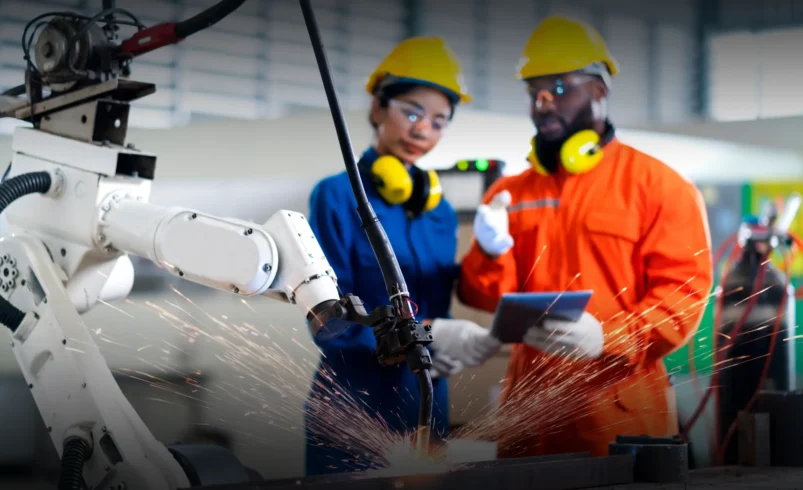

Industrial machinery is no longer just about enabling production; it plays a critical role in determining operational efficiency, cost control, and long-term sustainability. Businesses today are focusing on optimizing equipment performance to reduce downtime, improve output quality, and maintain competitive advantage in demanding markets.
As industries expand across sectors like manufacturing, EPC, and process plants, the expectations from machinery have evolved. Equipment must now support not only productivity but also reliability and lifecycle performance. This makes it essential for organizations to evaluate how their machinery contributes to overall business outcomes.
Corrosion as a Hidden Business Risk
In process plants, fabrication shops, and EPC projects, corrosion is often seen as a technical issue “owned” by maintenance or the paint contractor. In reality, corrosion behavior directly affects asset life, shutdown frequency, customer confidence, and project profitability. For SMEs in these sectors, how leadership chooses to manage corrosion can become a silent competitive advantage, or a recurring drain on cash and reputation.
This perspective shifts corrosion from a maintenance concern to a strategic business factor. When not addressed effectively, it can lead to frequent repairs, unplanned shutdowns, and increased operational costs. On the other hand, proactive management can extend asset life and improve overall efficiency.
Why Corrosion Management Matters for Efficiency
Industrial machinery operates under varying environmental and operational conditions, making it vulnerable to wear and degradation. Corrosion, in particular, has a direct impact on performance and reliability.
Key implications include:
- Reduced Equipment Lifespan – Accelerated material degradation leads to early replacement
- Increased Downtime – Frequent maintenance disrupts production schedules
- Higher Operational Costs – Repair and replacement expenses add up over time
- Quality Risks – Equipment degradation can affect product consistency
- Reputation Impact – Delays and failures can reduce customer trust
For businesses aiming to strengthen their capabilities, working with reliable Industrial Equipment and Machinery Exporters partners ensures access to durable and high-performance machinery.
Market Trends Supporting Industrial Growth
The demand for industrial machinery continues to rise globally, driven by infrastructure development, automation, and logistics expansion.
According to industry projections, the global material handling equipment market is expected to reach approximately $320 billion by 2030, reflecting strong growth across multiple sectors.
This trend highlights the increasing importance of investing in machinery that can support efficient operations while adapting to future demands.
Main Machinery Supporting Efficient Operations
Equipment Type | Application | Business Impact |
Material Handling Equipment | Movement of goods | Faster operations |
Processing Machinery | Production processes | Consistent output |
CNC Machines | Precision manufacturing | High accuracy |
Automation Systems | Workflow control | Improved efficiency |
Protective Systems | Corrosion prevention | Extended asset life |
Each of these categories contributes to improving operational efficiency and reducing long-term risks associated with equipment performance.
Integrating Smarter Equipment Decisions
Modern businesses are adopting a more strategic approach to equipment selection and management. This includes evaluating total lifecycle costs, performance metrics, and environmental factors such as corrosion exposure.
For example, understanding How to Choose and Buy the Right CNC Machine in 2026? can help businesses make informed decisions that align with their production requirements and long-term goals.
Additionally, sourcing through an Ai powered B2B marketplace for SMEs allows organizations to connect with verified suppliers, compare solutions, and identify machinery that meets both technical and financial criteria.
Practical Strategies for Businesses
To improve efficiency and reduce risks, organizations should focus on the following:
- Proactive Maintenance Planning – Address corrosion and wear before failures occur
- Material Selection – Use corrosion-resistant materials where required
- Supplier Evaluation – Choose reliable and experienced vendors
- Technology Adoption – Integrate monitoring and predictive tools
- Lifecycle Optimization – Focus on long-term performance rather than short-term cost
By implementing these strategies, businesses can transform machinery from a cost center into a value-generating asset.
FAQs
It enables consistent production, reduces downtime, and supports scalable operations.
It reduces lifespan, increases maintenance costs, and affects operational reliability.
Markets like material handling equipment are expected to grow significantly, reaching $320 billion by 2030.
By adopting preventive maintenance, selecting proper materials, and using advanced technologies.
They can explore AI-powered B2B marketplaces to connect with verified suppliers.
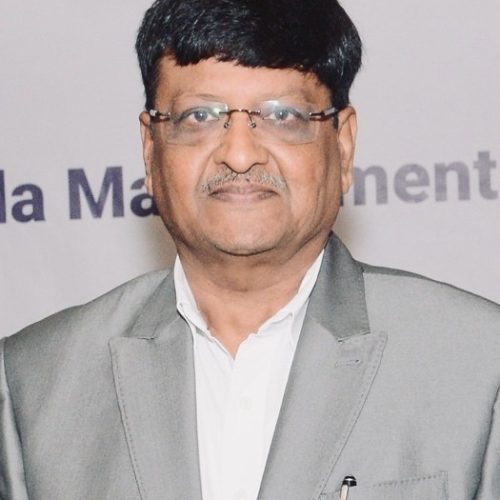
His background includes global certifications and active participation in international technical committees, along with contributions as a technical author and speaker. Through his content, he shares valuable insights on coatings project management, material performance, and best practices that support durability, protection, and long-term asset reliability.