
Food packaging has moved far beyond being a cost factor in the food industry. Whether for cloud kitchens, QSR chains, or D2C food brands, packaging now plays a central role in shaping consumer trust, ensuring food safety, and meeting sustainability goals. Much like agricultural exports that depend on quality and certification, packaging decisions are becoming critical for long-term buyer relationships.
The global eco‑friendly food packaging market was valued at USD 227.96 billion in 2024 and is projected to reach USD 353.78 billion by 2030, growing at a CAGR of 7.6% from 2025 to 2030.
1. The Shift from Plastic to Plant-Based Materials
Sustainability is no longer optional it has become a clear market differentiator. As regulations tighten and businesses move toward responsible sourcing, plastic-heavy packaging formats are gradually being replaced with more sustainable alternatives.
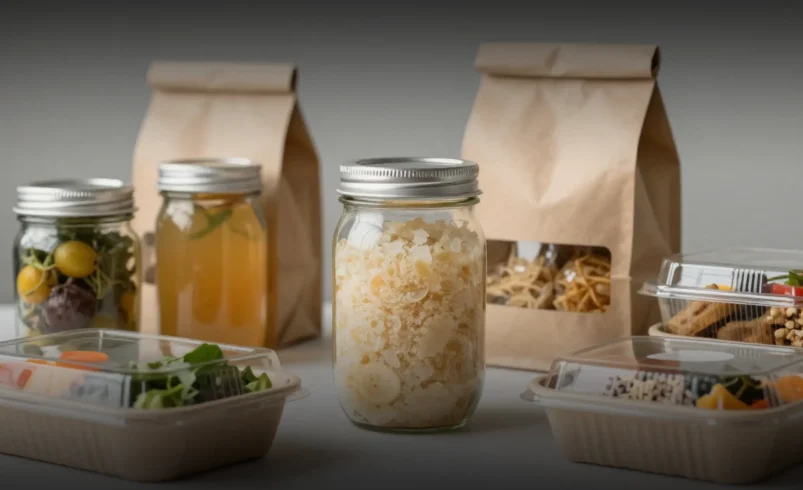
Plant-based materials such as bamboo, sugarcane bagasse, and agricultural residues are gaining strong traction. In India, fibre-based packaging is increasingly preferred as it aligns with both safety expectations and environmental responsibility.
This shift also reflects the country’s agricultural strength, where residues like rice husk and wheat straw are being effectively repurposed into packaging solutions.
For businesses, partnering with reliable food packaging suppliers ensures access to compliant, plant-based alternatives that meet both regulatory and operational needs.
2. Increasing Demand for Food Safe and Toxin Free Packaging
Packaging today is evaluated not just for sustainability but also for safety. Businesses are expected to ensure that packaging materials meet strict food-contact standards and do not compromise product integrity.
Consumers are becoming more conscious about the materials used in packaging, especially when it comes to heat exposure and long storage durations. This has pushed brands to adopt toxin-free, certified food-grade materials that ensure safety across different usage conditions.
Innovations such as antimicrobial films infused with natural agents are helping extend shelf life while maintaining hygiene. Clear certifications and visible safety labels are also playing a key role in building trust and credibility.
3. Packaging as a Key Customer Experience Driver
Packaging has evolved into a crucial touchpoint in the customer journey. It shapes perception even before the product is consumed, especially in sectors like QSR and food delivery where packaging is the first physical interaction.
Customers increasingly associate well-designed, functional packaging with product quality and brand reliability. Sustainable packaging also enhances brand perception, as businesses that adopt eco-friendly practices are viewed as more responsible and forward-thinking.
At the same time, practical challenges such as leakage, poor durability, and lack of clear disposal instructions can negatively impact customer experience. Addressing these concerns helps improve satisfaction and strengthens brand trust.
4. Durability and Performance Are Non Negotiable
While sustainability is important, performance remains critical. Early eco-friendly packaging often struggled with durability, but modern solutions are designed to meet high-performance standards without compromising on sustainability.
Today’s biodegradable and compostable packaging formats offer features such as leak resistance, grease resistance, microwave compatibility, and stackability. These improvements make them suitable for a wide range of food applications.
For businesses, investing in durable packaging is essential to maintain product quality during storage, transit, and delivery, ensuring a consistent customer experience.
5. Circular Packaging and Easy Disposal
Circular packaging is becoming a key consideration in purchasing decisions. Businesses are now expected to design packaging that supports recycling, composting, or reuse.
Clear disposal instructions, compostability certifications, and QR codes that guide users on how to dispose of packaging correctly are becoming standard expectations. This level of transparency helps build trust and aligns with growing environmental awareness.
The Indian packaging industry guide helps businesses understand market segmentation, demand drivers, and growth trends in India, reflecting the increasing focus on sustainable packaging and clear disposal practices.
6. Rise of Agricultural Residue Based Packaging
Agricultural byproducts such as sugarcane bagasse, wheat straw, rice husk, and corn stalks are increasingly being transformed into sustainable packaging materials.
This approach not only reduces agricultural waste but also supports a circular economy by turning residues into valuable resources. In India, where such materials are widely available, this presents a strong opportunity for both environmental impact and business growth.
By adopting residue-based packaging, businesses can reduce their reliance on conventional materials while contributing to more sustainable production ecosystems.
7. Integration with Label and Packaging Technologies
For food brands and packaging decision-makers, four priorities stand out:
- Adopt sustainable materials: Compostable or recyclable formats reduce environmental impact and strengthen brand equity
- Enhance durability: Leak-proof, heat-resistant packaging prevents customer dissatisfaction
- Prioritise food safety: Certified toxin-free materials build trust
- Label for disposal: Clear icons and QR codes simplify recycling and composting
India’s agricultural exporters succeed through quality, certifications, and consistency, food brands must now treat packaging as a strategic lever.
Global customers expecting brands to lead in sustainable packaging, the industry is at an inflection point. Those who adopt compostable, food-safe, and responsibly sourced packaging will not only comply with regulations but also earn consumer trust and long-term loyalty.
For businesses, the question is no longer whether to make the switch, it is how quickly they can adapt to these trends. Reliable sourcing through a global B2B marketplace ensures access to packaging solutions aligned with evolving global demand.
FAQs
It reduces environmental impact and meets growing consumer expectations for responsible practices. Brands adopting it gain stronger credibility in global markets.
Safe packaging prevents chemical leaching and contamination during storage or heating, Certifications and compliance standards reassure buyers and consumers.
Packaging is often the first impression of food quality, Durable and well-designed formats improve satisfaction and reduce complaints.
Byproducts like bagasse and rice husk are repurposed into compostable materials. This supports circular economies and reduces farm waste.
Pepagora connects buyers with verified food packaging suppliers and It helps businesses access sustainable, safe, and verified solutions efficiently.

Pranay has contributed to building and scaling brands focused on compostable and regenerative packaging, supporting the transition from single-use plastics to sustainable alternatives. With a strong focus on sustainability and innovation, he aims to support readers in understanding modern packaging trends and solutions through well-structured and informative content.