

Private labels have always had one obvious advantage — value.
But increasingly, they are discovering another powerful lever: branding and packaging design.
The opportunity is no longer just to offer a branded-category product at a lower price. It is to create an offering that looks considered, contemporary, and worth choosing.
And packaging design is doing much of that work.
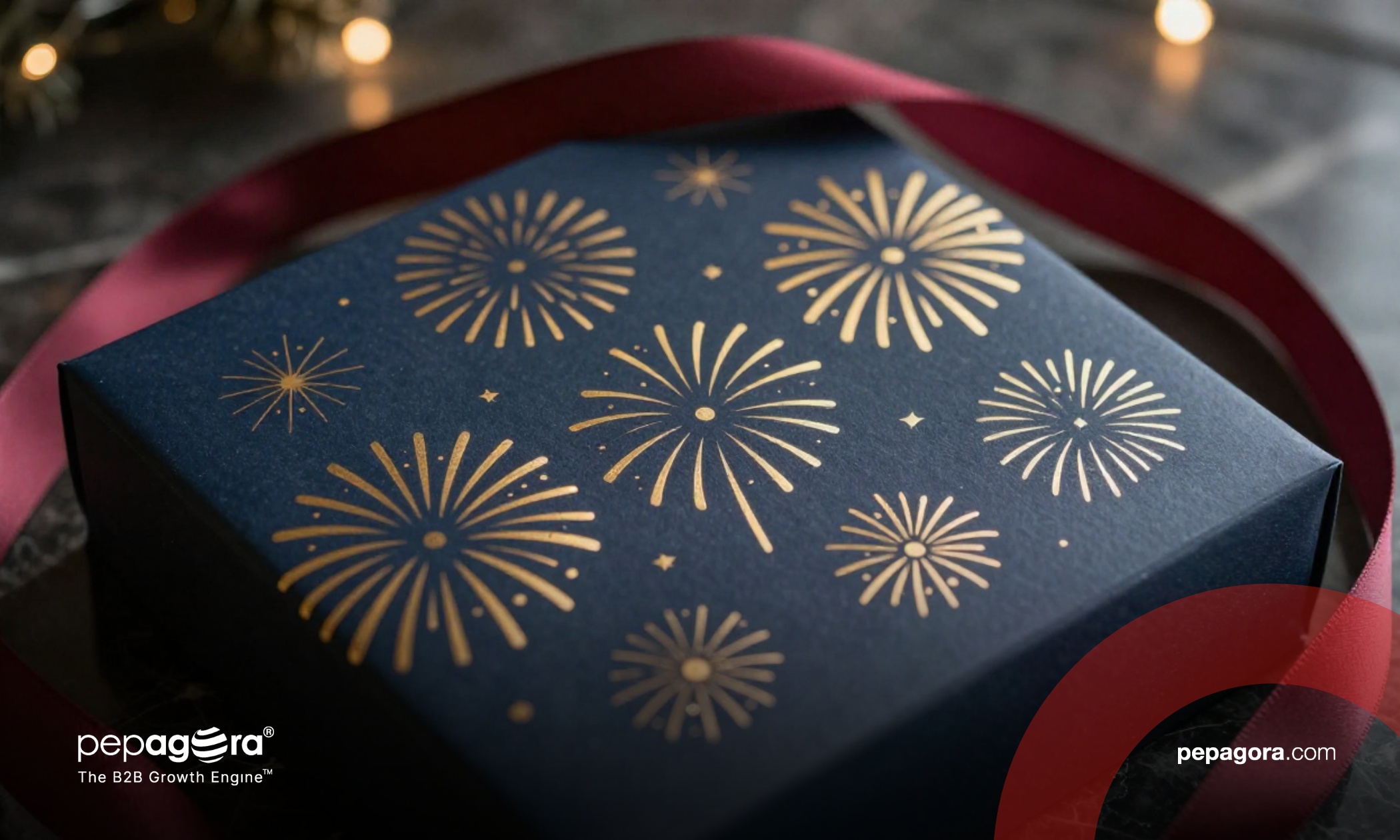
A stronger visual identity, better hierarchy of information, more distinctive pack architecture, sharper product communication and more cohesive range design can fundamentally change how a private-label product is perceived at shelf.
Because when the product sits alongside established brands, packaging becomes its first salesperson.
How Packaging Design Changes Private Label Perception
Packaging can move the conversation from:
“This is the cheaper option.”
to:
“This looks like a smart choice.”
That is an important shift.
Private labels do not necessarily need to outspend established brands to create this perception. They can use brand strategy and packaging design more strategically building a clear visual world around the range and using the pack to communicate the proposition with confidence.
This approach can help private-label products stand out in competitive retail environments while creating a stronger perception of value.
Why Branding Is Becoming a Private Label Advantage
In fact, this may be where private labels are creating their biggest leverage.
They are turning packaging from a functional requirement into a value-creation tool.
The product may win on price.
But the pack has to win the consideration.
For private-label brands, packaging is not simply about protecting the product or presenting information. It can help establish a visual identity, communicate quality and make the product easier for consumers to notice and evaluate.
Building a Distinctive Private Label Brand
Perhaps the most interesting evolution is this:
Private labels are no longer trying to look like the brands they sit next to.
They are beginning to understand what makes their own proposition valuable and using branding and packaging design to make that value visible.
This creates an opportunity for private-label businesses to build stronger brand recognition while maintaining the value proposition that makes private labels attractive in the first place.
Why Packaging Design Matters for Private Labels
For private-label businesses, the opportunity extends beyond offering products at competitive prices. A well-developed brand identity and packaging system can help create differentiation, strengthen shelf appeal and communicate value more effectively.
A strategic approach to branding and packaging design can help private labels compete through perception as well as price.
For businesses looking to strengthen their brand presence, exploring the Packaging and Printing can also help identify relevant branding, packaging and product partners across the broader fashion and consumer-product ecosystem.
FAQs About Private Label Branding & Packaging Design
Packaging design can influence how consumers perceive a private-label product. Strong visual identity, clear information hierarchy and distinctive pack architecture can make products appear more considered, contemporary and worth choosing.
Private labels do not necessarily need to outspend established brands. Strategic branding and packaging design can help them communicate their own proposition clearly and create a stronger perception of value.
Yes. Packaging can move beyond being a functional requirement and become a tool for communicating product value, building recognition and influencing consumer consideration at the shelf.
Not necessarily. Private labels can create stronger differentiation by understanding their own proposition and using design to make that value visible rather than simply imitating established brands.
Branding can create a clear visual identity, improve product communication and help build a cohesive range. Combined with effective packaging design, it can strengthen shelf appeal and consumer consideration.