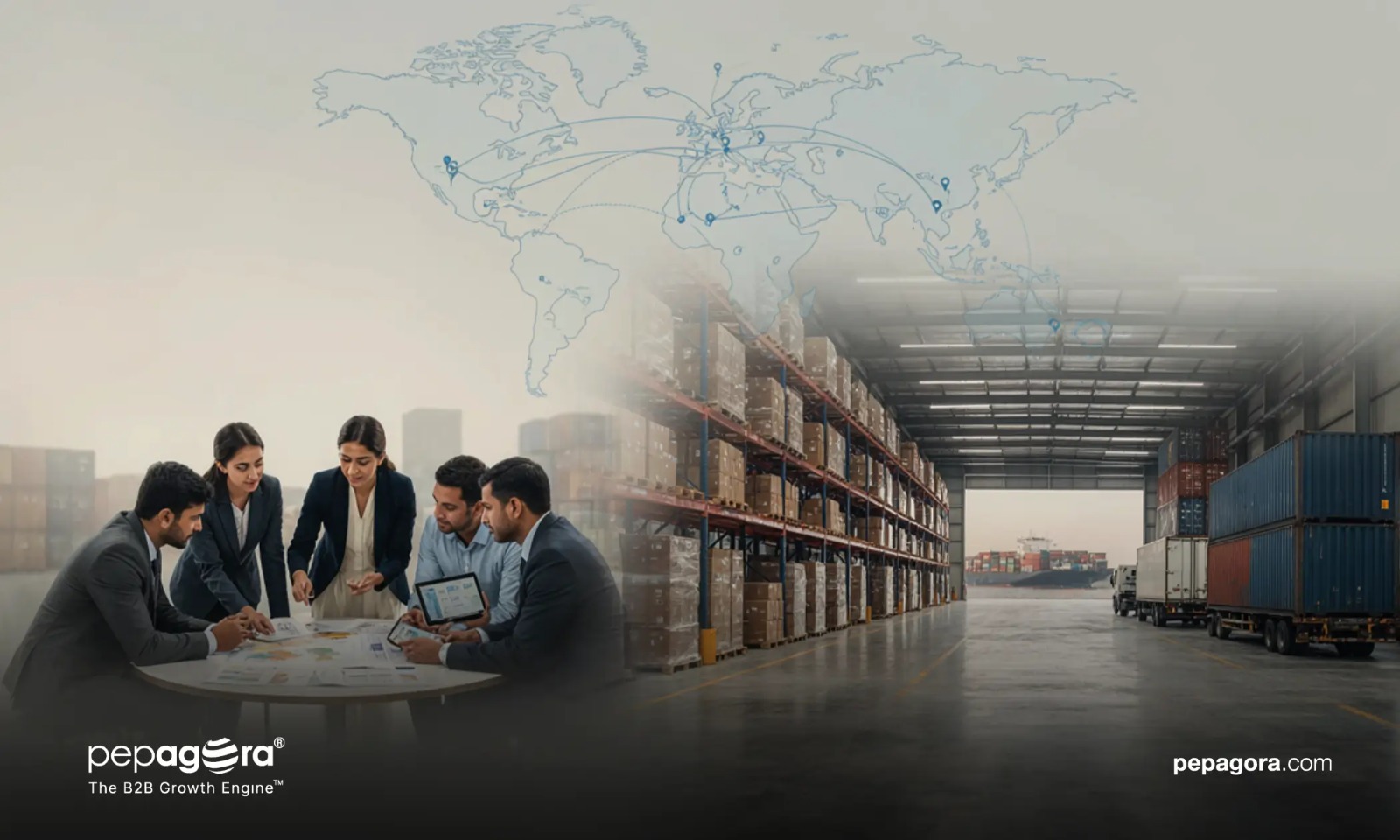

Internationalizing is one way through which India’s businesses can explore new avenues in their operations. Nevertheless, exporting cannot be achieved by just seeking buyers in foreign countries alone. Businesspersons must understand the laws surrounding exports, find suitable destinations for the goods or services, generate necessary documentation, organize logistics, and establish a reliable exporting strategy.
Indians have a diversified manufacturing and service industry in which they can export different items according to the market demands and capability. From textiles, food items to engineering goods, drugs, handicrafts, and technology-based services, among others, there are many export categories that companies can choose.
To those who are venturing into exporting for the first time, the procedure may seem to be difficult. Nevertheless, by breaking the procedure down into clear steps, internationalization becomes easy. If you wish to Export Products from India, you can achieve the task using a proper strategy.
Understand the Export Process
Before approaching potential international customers, a company should learn about exportation. The exportation process usually includes the following stages: product and market selection, registration of the company to export, buyer search, negotiation of business terms, preparation of documents, logistics, and customs clearance.
The process of exportation may be different according to the kind of the product and the country. That is why a company should study the necessary information before making an order abroad.
Step 1: Choosing the Product Suitable for Exporting
One needs to choose those products that will be in international demand and are suitable for export.
In doing so, businesses should take into consideration the following aspects:
- Product quality and production capacity.
- International demand for the product.
- Product competition in the target market.
- Price and profitability.
- Packaging and transport needs.
- Certification and regulation requirements.
Although the successful performance of a product in domestic market does not necessarily mean its success in the international market, the business should analyze possible markets and determine products in which they will be able to have competitive advantages.
Step 2: Choosing the Right International Market
Choosing the right destination country is one of the most critical decisions when starting exporting business.
Instead of choosing a number of destination countries at once, the business should start with analysis of some potential markets. The following aspects should be taken into account:
- Existing demand for the product.
- Market size and potential growth.
- Regulations on imports.
- Tariffs and duties.
- Competitors in the target market.
- Shipping cost and time.
- Currency and payment terms.
Also, the business should examine trade relations between India and potential destination countries. Preferential trade terms can provide the opportunity to increase competitiveness of the products eligible for preferential treatment.
Step 3: Obtaining Necessary Registrations
Before exporting products, businesses must complete necessary registrations. One of the basic requirements for exporting products from India is obtaining an Importer Exporter Code (IEC) from the Directorate General of Foreign Trade (DGFT).
The IEC registration is usually mandatory for the businesses which engage in importing or exporting operations except some cases of exceptions. Exporters should make sure their business is registered for tax purposes and has any other necessary product-specific approval.
Dependent on the type of product, additional registration or certification might be needed by relevant agencies or export promotion organizations.
Step 4: Research International Buyers
Identifying buyers is an integral part of creating a sustainable export business. Potential customers could be found via:
- B2B marketplaces.
- Trade shows and exhibitions.
- Export promotion councils.
- Industry associations.
- Business directories.
- International distributors.
- Direct communication and digital marketing.
In addition, the proper digital image might help attracting foreign buyers by allowing them to learn more about the company. Product information, company details, certifications, contact information and communication channel should be provided.
Step 5: Pricing and Exporting Cost Analysis
International pricing involves more than just calculation of manufacturing cost and a percentage of profit.
Exporters should take into consideration:
- Manufacturing/Procurement cost.
- Packaging.
- Cost of transporting the product to the port.
- Freight charges.
- Insurance.
- Customs-related cost.
- Warehousing.
- Documentation cost.
- Agent/distributor commissions.
- Fluctuations of currencies.
The total cost of exporting should be calculated by businesses before they give any price quotation to foreign buyers. It will help protecting the margin of profits and prevent from unexpected costs that might arise during the transaction.
Step 6: Incoterm and Payment Term Understanding
Each international transaction implies certain obligations of both buyer and seller. Incoterms help in determining who should pay for transportation, insurance and delivery.
Exporters should have at least some understanding of popular terms and make correct choice of the term depending on the transaction.
Payment terms are no less important. The reliability of the buyer should be evaluated and proper payment terms chosen providing proper balance of convenience and risk for the exporter.
For new and unknown buyers exporters should undertake the procedure of due diligence.
Step 7: Export Documentation Preparation
- Proper documentation is crucial when exporting products from India. Depending on the type of the transaction, exporters might require the following documents:
- Commercial invoice.
- Packing list.
- Shipping and/or transport documents.
- Certificate of origin (if applicable).
- Certificates of product.
- Customs documents.
- Insurance documents (if applicable).
Step 8: Plan Export Packaging and Logistics
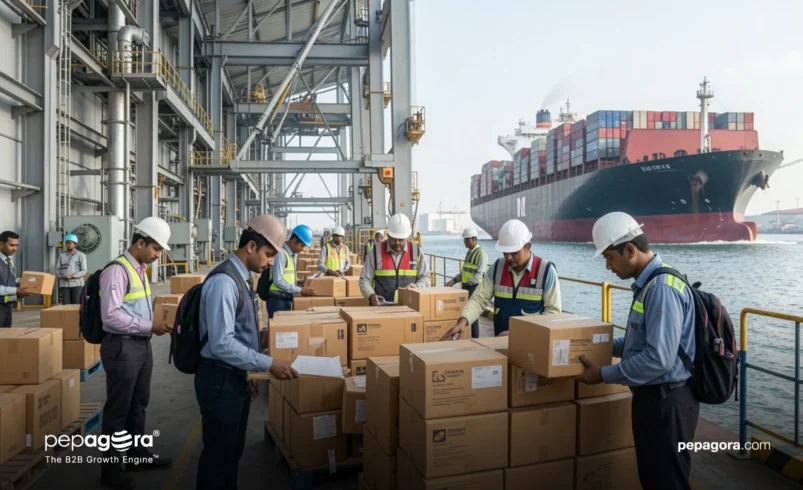
Goods have to arrive at the destination country safely and in good condition. Export packaging could be subject to special requirements relating to transport conditions, handling, labeling, etc., as well as to destination market regulations.
- Entrepreneurs should analyze different companies offering logistic services, paying attention to such aspects as:
- Transportation methods.
- Time of delivery.
- Costs of shipment.
- Freight insurance.
- Special requirements concerning packing.
- Traceability.
Establishing contacts with skilled freight forwarders and logistics companies could significantly facilitate the export process for bigger shipments.
Step 9: Analyze Requirements of the Destination Country
One of the most frequent mistakes made by the beginners in exporting is concentrating on Indian export rules and forgetting about the rules of the destination country.
Depending on the country there could be certain requirements concerning:
- Product quality.
- Labeling.
- Packing.
- Safety certification.
- Food or pharmaceutical industry rules.
- Environmental issues.
- Import licenses.
Before shipment, the entrepreneurs should ensure that their products meet all destination country requirements.
Step 10: Start Small and Expand Gradually
New exporters do not have to start from huge shipments. It could be beneficial to start small to better understand problems related to international trade without too much risk of losing money.
After completion of successful transactions the entrepreneurs could benefit from buyer’s feedback and gained experience to improve their procedures.
Expansion in international business could help entrepreneurs to optimize:
- Pricing policies.
- Packing.
- Logistic operations.
- Communication with customers.
- Document preparation.
- Production.
Common Mistakes to Avoid
New exporters should watch out for the following mistakes.
Disregarding Market Research
It is unwise to move into a market without knowing about demand, competition, legislation, and prices.
Neglecting Cost Considerations
This includes ignoring costs such as transportation, insurance, packaging, and other considerations.
Relating To Uncertified Buyers
Appropriate due diligence needs to be carried out before entering business with an international buyer who is unknown.
Disregarding Requirements
The non-compliance with certain product or customs regulations could lead to problems.
Being Overzealous With Entry
Going into too many markets at once is difficult to handle.
How to Build a Sustainable Export Business
Effective exporting is not only making a single sale abroad; businesses have to create systems for making repeat orders and building relations.
It involves maintaining a high quality of products, conducting professional communication, meeting deadlines, replying to queries promptly, and constantly monitoring the trends of international markets.
In addition, businesses should monitor their performance in exports and determine those products and markets which bring the best results. This information will allow them to allocate their resources and make decisions on where to develop next.
Moreover, digital instruments can assist in international business activities through facilitating communication, managing clients’ data, processing queries, and measuring sales performance.
Exporting Products from India is an endeavor which requires planning, market research, compliance, reliable logistics as well as good relationship with international buyers. All of these are critical factors in the success of the endeavor, whether in product selection, destination, registrations, documentation, costing, and shipment.
A business must not view the international endeavor as a single transaction but rather build up a reliable export business that will be able to serve the clients consistently worldwide.
A focused market approach, testing the demand, learning from the transaction experience, and then slowly expanding can all aid in reducing risks and establishing a solid base.
Through proper preparation and the focus on the clients, the international demand can be turned into export business opportunities.
FAQs: How to Start Exporting Products from India Successfully
Start by selecting a suitable product, researching target markets, obtaining required registrations, finding international buyers, calculating costs, and preparing export documents.
An Importer Exporter Code (IEC) issued by the Directorate General of Foreign Trade (DGFT) is generally required for businesses exporting goods from India, subject to applicable exemptions.
Indian exporters can find buyers through B2B marketplaces, trade shows, export promotion councils, industry associations, business directories, distributors, and digital marketing.
Common documents include a commercial invoice, packing list, shipping documents, certificate of origin, product certificates, customs documents, and insurance documents where applicable.
New exporters can reduce risks by researching markets, verifying buyers, starting with small shipments, calculating total export costs, selecting suitable payment terms, and expanding gradually.

About Author
Harsha Varthan
Harsha is a highly respected B2B marketing expert who passionately helps sellers and buyers connect, grow their businesses online, and build strong global visibility. His expertise spans SEO, content marketing, lead generation, marketplace strategy, public relations, and result-driven digital growth planning, making him a trusted voice in the industry.