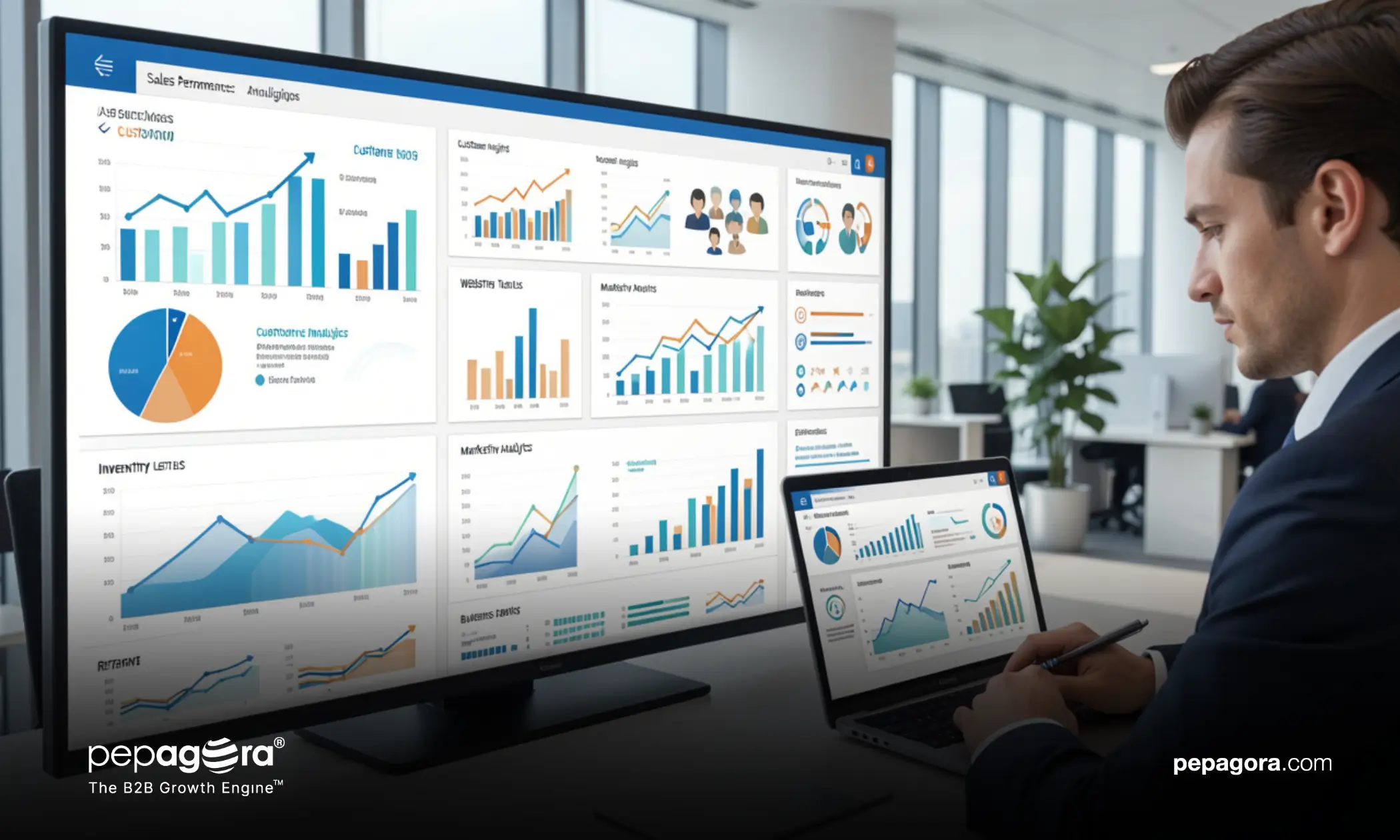


In the rapidly evolving corporate world, it is critical to be able to predict customer demands in order to remain competitive. Any change in purchasing habits can result in inventory shortage or overstocking, lost sales, and loss of profits. Predictive demand forecasting is one of the most effective solutions for this problem.
Based on the analysis of sales records, present market tendencies, and customers’ habits, businesses are able to forecast their future needs and take corresponding actions. Good Demand Forecasting will not only help companies keep the right level of inventory but also improve resource allocation and planning and foster their development.
What Is Predictive Demand Forecasting?
Predictive demand forecasting is the estimation of future customer demand based on historical data, insights from the market, and other analytical techniques. It makes it possible for companies to make preemptive decisions and avoid unforeseen shifts in the market.
Understanding Demand Forecasting
Demand Forecasting can be defined as the prediction of customer demand for a particular product or service over a certain period of time. Companies analyze previous sales performance and the market to make estimations of the demand.
In the case of growing companies, good forecasts help increase the efficiency of business processes and eliminate unnecessary risks.
How Predictive Forecasting Works
The predictive method utilizes various sources of information to provide accurate forecasts of demand. Companies do not have to guess but rather to use analytical skills.
Key factors used in predictive forecasting include:
- Historical sales data.
- Market trends and consumer behavior.
- Seasonal demand patterns.
- AI-powered analytics and forecasting tools.
By continuously analyzing this information, businesses can make smarter decisions and adapt quickly to changing market conditions.
Why Demand Forecasting Matters for Business Growth
As the size of the enterprise increases, inventory, finance, and operation management become increasingly difficult. There is an array of useful information from which demand forecasting offers important insights and makes it possible to plan better, reduce the risks, and respond properly to changes in the market situation.
Improves the Planning Process in the Organization
Proper forecasting ensures that an organization makes its planning process better because of more accurate demand estimation. With such information, the organization will be able to optimize operations, use the available resources more efficiently, and make the right decisions at the right moment.
Helps to Satisfy Customer Demand
There may be various factors affecting customer demand. Seasonality, economic situation, and changes in customer preferences are among them. With proper forecasting, the organization will be able to have the proper amount of goods on hand without running into a shortage of products or surplus of goods.
Ensures Better Financial Planning
Demand forecast also improves financial planning. By knowing what to expect from sales, the organization will be able to make better purchases, have better budgeting, and ensure effective cash flow.
Key Benefits of Predictive Demand Forecasting
Among many advantages of Demand Forecasting, one stands out as particularly significant, which is the ability of businesses to take informed decisions backed by data. Predictive forecasting will benefit several key aspects of business operation.
Improved Inventory Management
Businesses can manage the inventory better through forecasting, as this way it will be possible for them to have products that are needed at any moment. It will be possible to avoid having too much inventory and also having shortages of products.
Better Customer Experience
If there will always be enough products in inventory, it will be easier to provide customers with their products. With this, the process of purchase will be made easier and it will help develop good relations with customers.
Informed Business Decisions
Through forecasted data about the future demand pattern, businesses will be able to plan better and make smarter decisions.
Factors That Influence Market Demand
Identifying the determinants of market demand is necessary in order to make accurate predictions. This will enable businesses to respond to the demands in a better manner since they understand the determinants of demand.
Seasonal Demand Patterns
The demand changes from season to season due to the effects of holidays, weather, and repetitive buying cycles. Businesses must be able to identify this change in demand patterns.
Consumer Behavior
The consumers’ tastes and buying behaviors are always evolving. Various economic factors including changes in lifestyle and consumer trends affect the demand. The demand patterns must always be tracked by businesses.
Changes in the Market and Industry
External factors such as the activities of competitors in the industry and economic factors affect demand. It is crucial for businesses to know this in order to change their strategies.
Best Practices for Accurate Demand Forecasting
Forecasting entails more than using historical figures. Companies need to utilize accurate data in combination with proper market analysis and the latest technology.
Use Accurate Business Figures
Generate forecasts based on accurate past sales records, consumer information, and inventory reports. Accurate figures will make your forecasts and decisions more effective.
Regular Monitoring of Industry Trends
Keep tabs on trends occurring in the industry, consumer trends, and your competitors’ moves to be aware of anything that can affect future demand.
Benefit from Modern Forecasting Technology
Modern forecasting technology such as AI forecasting software and business intelligence software makes the process of analyzing trends much easier.
Common Challenges in Demand Forecasting
Despite the benefits associated with forecasting, there are some issues that companies might encounter which might negatively impact the accuracy of forecasting.
Faulty or Incomplete Information
Forecasting may become inaccurate due to the use of faulty or outdated information. The use of accurate and up-to-date business information is important.
Market Dynamics
Sudden changes in economic conditions, changing tastes of consumers, and unexpected changes in the levels of demand might complicate forecasting. Regular checking of forecasts is important for a business.
Too Much Emphasis on Past Information
Past information plays an important role but at the same time, it should not be the sole basis of forecasting.
Conclusion
Predictive Demand Forecasting is now a vital component for emerging companies who want to take intelligent decisions and keep up with the needs of their customers. Through the anticipation of future demand, businesses will be able to improve their business planning process, optimize their inventory process, and react more quickly to changes in market demand.
Apart from increased operational efficiency, forecasting through predictive analytics can also help in reducing risks, improving customer satisfaction, and taking intelligent decisions. With time, markets are going to change, and businesses which use data-based forecasting techniques will be in a better position to manage their resources.
FAQs: Predictive Demand Forecasting A Complete Guide for Growing Businesses
Predictive demand forecasting is the process of estimating future customer demand using historical sales data, market trends, and analytics. It helps businesses plan inventory, reduce risks, and make informed decisions.
Predictive demand forecasting enables businesses to maintain the right inventory levels by predicting future demand patterns. It helps avoid overstocking, product shortages, and unnecessary storage costs.
Demand forecasting accuracy depends on factors such as historical sales data, customer behavior, seasonal demand patterns, market changes, industry trends, and the use of advanced forecasting tools.
AI-powered forecasting tools analyze large amounts of business data, identify patterns, and provide accurate demand predictions. This allows companies to make faster and more effective business decisions.
Common challenges include inaccurate data, changing market conditions, unexpected shifts in customer preferences, and relying only on past information without considering current trends.