
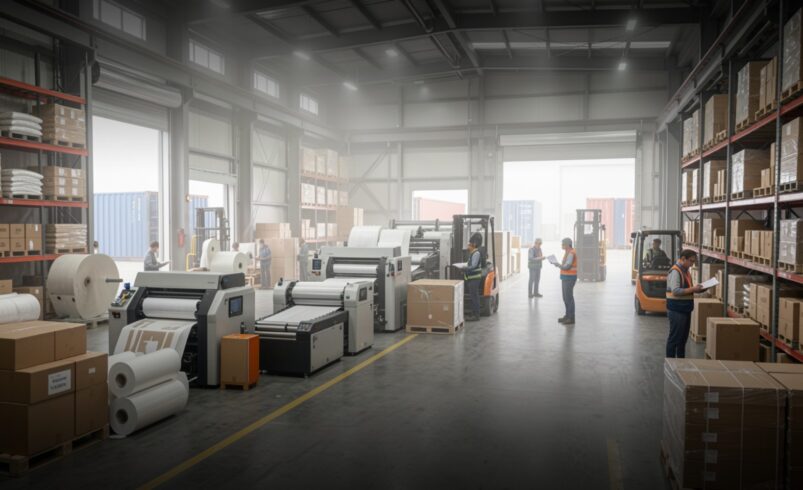

India is rapidly becoming one of the world’s leading manufacturing destinations. As businesses expand into international markets, product quality alone is no longer enough to guarantee success. The way a product is packaged directly affects its safety, customer experience, and global acceptance.
Whether it is consumer goods, industrial equipment, chemicals, pharmaceuticals, or electronics, Packaging and Printing play a vital role throughout the supply chain. It protects products, supports branding, ensures compliance, and improves logistics efficiency. For companies participating in the Make in India initiative, strategic packaging has become a competitive advantage rather than a simple operational requirement.
Why Packaging Matters More Than Ever
Global trade exposes products to long transportation routes, multiple handling points, changing weather conditions, and strict import regulations. Every shipment must withstand these challenges before reaching the customer.
Well-designed packaging helps businesses:
- Prevent product damage during transportation
- Meet international packaging regulations
- Improve customer satisfaction
- Reduce replacement and return costs
- Build stronger brand credibility worldwide
Poor packaging, on the other hand, can lead to damaged shipments, delayed deliveries, rejected exports, and unnecessary financial losses.
The Growing Role of Packaging in Make in India
The Make in India initiative encourages manufacturers to compete globally by delivering high-quality products. However, exporting successfully requires more than excellent manufacturing.
Packaging must support international distribution by providing:
- Better product protection
- Efficient container utilization
- Compliance with export standards
- Improved handling throughout logistics networks
- Professional product presentation
As Indian manufacturers expand into new markets, packaging becomes an essential part of delivering consistent quality across borders.
Packaging Is an Investment, Not Just a Cost
Many organizations still view packaging as an unavoidable expense. This mindset often results in choosing lower-cost materials that fail to provide adequate protection.
Instead, packaging should be treated as a long-term investment because it helps reduce:
Packaging Benefit | Business Impact |
Better product protection | Fewer damaged shipments |
Efficient packaging design | Lower transportation costs |
Improved storage efficiency | Better warehouse utilization |
Sustainable materials | Stronger environmental reputation |
Premium packaging | Enhanced customer experience |
Companies that invest in packaging often experience lower operational costs and stronger customer trust over time.
Packaging Supports Every Industry
Different industries require different packaging solutions based on product characteristics and transportation risks.
Consumer Goods
Consumer products require attractive packaging that protects products while strengthening brand identity.
Chemicals
Chemical packaging must ensure safe containment, prevent leakage, and comply with hazardous material regulations.
Electronics
Electronic products require moisture-resistant and anti-static packaging to prevent damage during storage and shipping.
Industrial Equipment
Heavy machinery and industrial components need durable packaging capable of protecting products during long-distance transportation.
Building Cross-Functional Packaging Knowledge
Packaging success depends on collaboration across multiple departments. Every team involved in the product lifecycle contributes to packaging performance.
Marketing Teams
Marketing professionals should understand sustainable materials, consumer expectations, and packaging design trends.
Procurement Teams
Procurement teams must identify reliable suppliers while balancing quality, availability, and cost.
Logistics Teams
Logistics professionals should focus on pallet optimization, shipping efficiency, and warehouse utilization.
Quality Teams
Quality specialists need expertise in packaging validation, transit testing, and international quality standards.
When every department understands packaging objectives, organizations improve operational efficiency and reduce costly mistakes.
Sustainability Is Becoming a Business Requirement
Global customers increasingly expect environmentally responsible packaging. Businesses are responding by investing in:
- Recyclable packaging materials
- Lightweight packaging solutions
- Paper-based alternatives
- Bio-based packaging materials
- Reduced plastic usage
Sustainable packaging not only supports environmental goals but also helps companies meet international buyer expectations and regulatory requirements.
Packaging Trends Shaping Global Manufacturing
Several emerging trends are changing the future of packaging across industries.
Smart Packaging
Digital technologies such as QR codes and product tracking improve supply chain visibility and customer engagement.
Automation
Automated packaging systems increase production speed while improving consistency and reducing waste.
Digital Printing
Short-run packaging customization allows brands to respond quickly to changing market demands.
Data-Driven Packaging Design
Manufacturers increasingly use testing data and simulation tools to optimize packaging performance before production.
Strategic Benefits of Better Packaging
Organizations that prioritize packaging gain several competitive advantages:
- Reduced product damage
- Improved export readiness
- Higher customer satisfaction
- Better logistics efficiency
- Lower overall operating costs
- Stronger global brand reputation
- Greater sustainability performance
These advantages support long-term business growth in both domestic and international markets.
The Future of Packaging in Global Trade
As India’s manufacturing sector continues to grow, packaging will become even more important for export success. Companies that invest in better materials, innovative designs, skilled teams, and sustainable practices will be better prepared for global competition.
Packaging is no longer simply the final step before shipping. It is a strategic business function that protects products, strengthens brands, improves supply chain performance, and creates lasting customer confidence.
Final Takeaway
Packaging has evolved into one of the most valuable assets for modern manufacturers. Under the Make in India initiative, businesses seeking international growth must treat packaging as a strategic investment rather than an operational expense.
Businesses can further expand their international reach by connecting with verified buyers and suppliers through a Global B2B Marketplace, helping them strengthen supply chains and unlock new export opportunities.
FAQs
Packaging protects products during international transportation, supports regulatory compliance, and improves customer confidence in Indian-made products.
Effective packaging minimizes product damage, lowers return rates, improves shipping efficiency, and reduces warehousing expenses.
Consumer goods, chemicals, pharmaceuticals, electronics, automotive, food processing, and industrial manufacturing all benefit from optimized packaging solutions.
Training helps marketing, procurement, logistics, and quality teams make better packaging decisions that improve efficiency and product protection.
Pepagora connects packaging manufacturers and suppliers with global buyers, helping businesses improve visibility, expand market reach, and discover new business opportunities.