
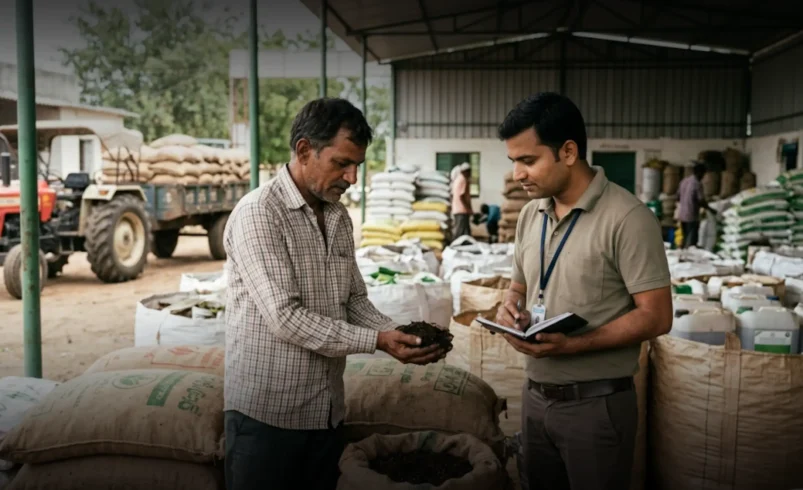

The global shift toward sustainable agriculture is no longer a niche movement. It is a structural transformation driven by consumer demand, environmental concerns, and regulatory changes. Businesses across the agricultural value chain are actively sourcing organic farming supplies, bulk organic farm products, and reliable organic farm inputs to stay competitive. For B2B buyers, the focus has moved beyond availability to quality, traceability, and long-term supplier partnerships.
Organic farming today is not just about avoiding chemicals. It is about building a system that supports soil health, crop productivity, and sustainable growth. This has created a strong and growing demand for organic farming supplies manufacturers, suppliers, wholesalers, and exporters across global markets.
Market Overview: Rising Demand for Organic and Sustainable Farming
The organic agriculture market is expanding rapidly, with global organic food demand expected to cross $300 billion in the coming years. This growth is directly influencing upstream demand for sustainable farming supplies and organic farm inputs.
Key industry indicators show:
Increasing adoption of organic farming practices across Asia, Europe, and North America
Strong export demand for certified organic produce
Government incentives promoting sustainable farming
Growing awareness among farmers about long-term soil health
This demand is driving the growth of organic farming supplies exporters and bulk sustainable farming products exporters.
Understanding Organic Farming Supplies
Organic farming supplies include a wide range of inputs that support chemical-free and environmentally responsible farming practices.
Core categories include:
Organic fertilizers and compost
Bio-pesticides and natural crop protection solutions
Soil conditioners and microbial inputs
Organic seeds and planting materials
Natural growth enhancers
Organic farm inputs manufacturers are focusing on developing solutions that improve yield while maintaining ecological balance.
Importance of Bulk Organic Farm Products in B2B Trade
Large-scale farming operations and agri-businesses require consistent supply and cost efficiency. This is where bulk organic farm products play a critical role.
Working with a bulk organic farm supplies supplier offers:
Better pricing through economies of scale
Consistent product quality across batches
Reliable supply for large farming operations
Streamlined procurement and logistics
A bulk sustainable farming products exporter can also help international buyers meet growing demand in their markets.
Role of Manufacturers in Innovation and Quality
Organic farming supplies manufacturers and organic farm inputs manufacturers are investing in research and product development to meet evolving agricultural needs.
Key focus areas include:
Development of high-efficiency bio-inputs
Improved nutrient delivery systems
Climate-resilient farming solutions
Certification and compliance with global standards
Sustainable farming products manufacturers are also aligning their processes with environmental regulations and export requirements. To understand how sustainable food and agriculture practices are shaping the future of farming, read Sustainable Food and Agriculture Practices to Watch in 2026.
Suppliers, Wholesalers, and Distribution Networks
Organic farming supplies suppliers and wholesalers ensure that products reach farmers and businesses efficiently.
Advantages of working with established suppliers include:
Access to a wide range of products
Faster delivery timelines
Local market understanding
After-sales support and guidance
An eco-friendly organic farming supplies wholesaler plays a key role in distributing sustainable products at scale while maintaining quality standards.
Export Opportunities in Organic Farming Supplies
Global demand for organic inputs is increasing, especially in regions with strict environmental regulations.
Organic farming supplies exporters and organic farm inputs exporters cater to:
International certification requirements
Bulk shipment and logistics management
Market-specific product customization
Compliance with import regulations
Bulk sustainable farming products exporters from emerging markets are gaining traction due to cost competitiveness and product quality.
Premium Segment: High-Quality Organic Inputs
The premium organic segment is growing as businesses prioritize quality and long-term sustainability.
A premium organic farm supplies supplier typically offers:
Certified and traceable products
Higher nutrient efficiency
Consistent performance across crops
Better alignment with export standards
A high-quality organic farm inputs supplier ensures reliability, which is critical for both domestic and international buyers.
Sustainability and Eco-Friendly Practices
Sustainability is at the core of organic agriculture. Businesses are increasingly choosing suppliers who align with eco-friendly practices.
Key considerations include:
Use of natural and biodegradable materials
Reduced environmental impact
Support for regenerative agriculture
Compliance with organic certification standards
An eco-friendly organic farming supplies wholesaler helps businesses meet these sustainability goals while maintaining operational efficiency.
Logistics and Supply Chain Considerations
Efficient logistics are essential for the organic farming supply chain.
Important factors include:
Proper storage to maintain product quality
Timely delivery to match crop cycles
Packaging that preserves product integrity
Availability of bulk quantities for large orders
Bulk organic farm supplies suppliers with strong logistics networks can significantly improve reliability and reduce operational risks.
Pricing and Procurement Strategy
Pricing in organic farming supplies depends on product type, certification, and volume.
Buyers should evaluate:
Cost benefits of bulk procurement
Supplier credibility and consistency
Certification and compliance costs
Long-term value versus short-term pricing
Working with organic farming supplies wholesalers or directly with manufacturers often results in better pricing and customization.
Building Strong B2B Partnerships
Long-term partnerships are critical in the organic farming sector.
Best practices include:
Clear communication of product requirements
Regular quality checks and audits
Transparent pricing agreements
Reliable supply commitments
Strong relationships with organic farm inputs suppliers and exporters help ensure consistent quality and supply continuity.
Emerging Trends in Organic Farming Supplies
The industry is evolving with new technologies and practices.
Key trends include:
Increased use of microbial and bio-based inputs
Integration of digital tools for farm management
Growth of regenerative agriculture practices
Expansion of export markets for organic products
Sustainable farming products suppliers and exporters are adapting quickly to meet these trends.
Conclusion
The organic farming supplies market presents significant opportunities for B2B businesses across manufacturing, supply, and export. With rising demand for bulk organic farm products and sustainable farming supplies, businesses must focus on quality, consistency, and compliance.
Choosing the right organic farming supplies manufacturers, suppliers, and wholesalers is essential for long-term success. Whether sourcing from a bulk organic farm supplies supplier or partnering with organic farming supplies exporters, strategic decision-making will define growth.
As global agriculture continues to move toward sustainability, businesses that invest in high-quality organic farm inputs and strong supply chains will gain a competitive advantage.