
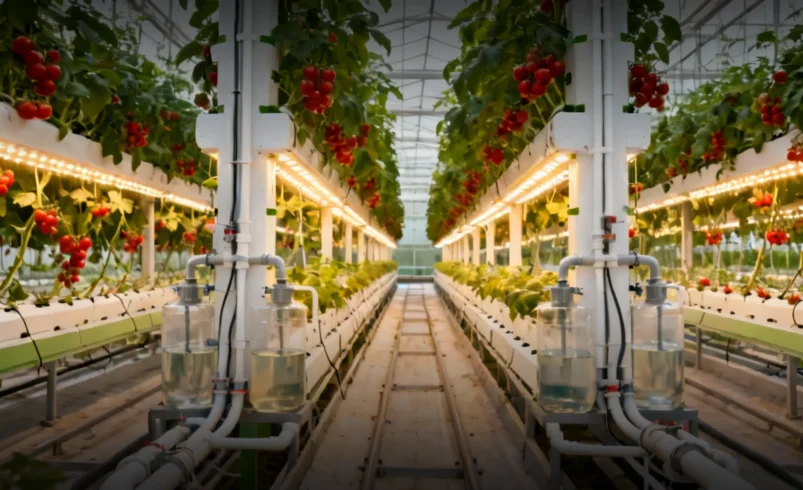

India has long been recognized as a global leader in agricultural production, from cereals and spices to fruits and vegetables. Today, the next frontier lies in exotic crops such as blueberries, dragon fruit, bok choy, zucchini, and cherry tomatoes.
These high-value crops demand precision farming, advanced technology adoption, and specialized agronomic practices to meet international quality standards. Vanilla cultivation, for instance, remains a rare achievement in India, requiring expert hand-pollination and meticulous climate control.
For exporters, wholesalers, and sourcing companies, exotic crops represent a lucrative opportunity when backed by modern farming systems and reliable supplier networks.
Buyers searching online for hydroponic systems suppliers or advanced cultivation solutions increasingly look to India for consistent quality and scalable production.
Growing Global Demand for Exotic Foods
Global demand for exotic fruits and gourmet vegetables continues to rise due to changing dietary habits, urbanization, and the popularity of international cuisines.
According to APEDA, India produced 113 million tonnes of fruits and 207 million tonnes of vegetables in FY24. This positions India as the second-largest global producer of fruits and vegetables after China, aligning with rising exotic crop demand.
Key demand drivers include:
- Rising middle-class consumption worldwide
- Expansion of food processing industries targeting premium segments
- Increased demand for organic and natural produce
- Growing popularity of ethnic and gourmet cuisines
This trend positions India as a strong sourcing destination for exotic crops, especially when supported by technology adoption in modern agriculture.
Advanced Farming Techniques Driving Success
Exotic crops require specialized farming methods that go beyond traditional practices. Indian producers are increasingly adopting advanced techniques such as:
- Hydroponics and Soilless Cultivation: Ensures precise nutrient delivery and uniform crop quality
- Protected Cultivation (Polyhouses & Greenhouses): Maintains optimal temperature and humidity for crops like blueberries and vanilla
- Organic Protocols and Certification: Builds credibility in high-value export markets
- Precision Irrigation and Climate Control: Reduces resource wastage while maximizing yield
These methods not only improve productivity but also align with global sustainability standards, making Indian suppliers more competitive in international markets.
Key Exotic Crop Categories in India
Businesses in this sector can operate across multiple exotic crop segments:
- Fruits: Blueberries, dragon fruit, kiwi, and exotic melons
- Vegetables: Bok choy, zucchini, broccoli, cherry tomatoes, and knol khol
- Spices & Gourmet Herbs: Vanilla, basil, oregano, and thyme
Each category requires tailored agronomic management, but together they showcase India’s ability to diversify beyond traditional crops and capture premium market share.
Importance of Quality Standards and Certifications
Exotic crops destined for export markets must comply with strict quality and safety standards.
Buyers often prioritize suppliers who demonstrate:
- Organic and food safety certifications
- Transparent sourcing practices
- Consistent quality testing and inspection
- Compliance with hygiene and export documentation requirements
Maintaining these standards is essential for building long-term buyer relationships and accessing high-value markets in Europe, North America, and the Middle East.
Digital Transformation in Exotic Crop Sourcing
Traditionally, sourcing exotic crops relied on trade fairs and distributors. Today, digital channels are reshaping the landscape.
Buyers now search online for:
- Exotic fruit suppliers in India
- Hydroponic farming system providers
- Organic vegetable exporters
For businesses looking to streamline supplier discovery and connect with verified exporters, a Global B2B Marketplace plays a crucial role in simplifying sourcing and improving buyer-supplier connectivity.
For producers, maintaining a strong digital presence with clear product catalogs and certifications helps generate inquiries from international buyers.
Challenges in Exotic Crop Farming
Despite strong demand, exotic crop cultivation faces several challenges:
- Climate Sensitivity: Exotic crops require precise environmental conditions
- Supply Chain & Storage: Maintaining freshness during transport is critical
- Price Volatility: Market fluctuations can impact profitability
- Export Regulations: Compliance with diverse import standards is essential
Businesses that invest in advanced farming systems and efficient logistics are better positioned to overcome these challenges.
Practical Tips for Businesses Entering Exotic Crop Farming
Entrepreneurs and companies can strengthen their operations by:
- Maintaining consistent quality for premium positioning
- Investing in packaging and storage to protect delicate produce
- Expanding product range to attract diverse buyers
- Improving digital visibility to enhance global discoverability
Future Outlook
The future of exotic crop farming in India looks promising. Rising global demand, coupled with India’s strong agricultural base, positions the country to capture a larger share of the premium food trade.
Key trends shaping the future include:
- Increasing demand for organic exotic produce
- Growth of hydroponic and vertical farming systems
- Expansion of global agricultural trade
- Wider technology adoption in modern agriculture
By focusing on advanced farming techniques, sustainability, and digital visibility, Indian suppliers can establish themselves as leaders in the global exotic crop market.
FAQs
India cultivates exotic crops like blueberries, dragon fruit, bok choy, zucchini, and cherry tomatoes, driven by rising demand in global and premium domestic markets.
Advanced techniques such as hydroponics, greenhouse cultivation, precision irrigation, and climate control systems are used to ensure higher yield, quality, and export compliance.
Global demand is increasing due to changing dietary habits, urbanization, and the popularity of international cuisines that favor diverse and nutrient-rich food options.
Businesses face challenges like climate sensitivity, supply chain management, price volatility, and strict export regulations that require efficient systems and quality control.
Businesses can discover verified suppliers through a Global B2B Marketplace like Pepagora, enabling efficient sourcing, product comparison, and direct connection with exporters.

Vijay has worked extensively in protected and soilless farming systems for gourmet vegetables, including bok choy, broccoli, zucchini, and knol khol. With a strong focus on innovation and crop efficiency, he aims to support readers in understanding modern agricultural practices and solutions through well-structured and informative content.