
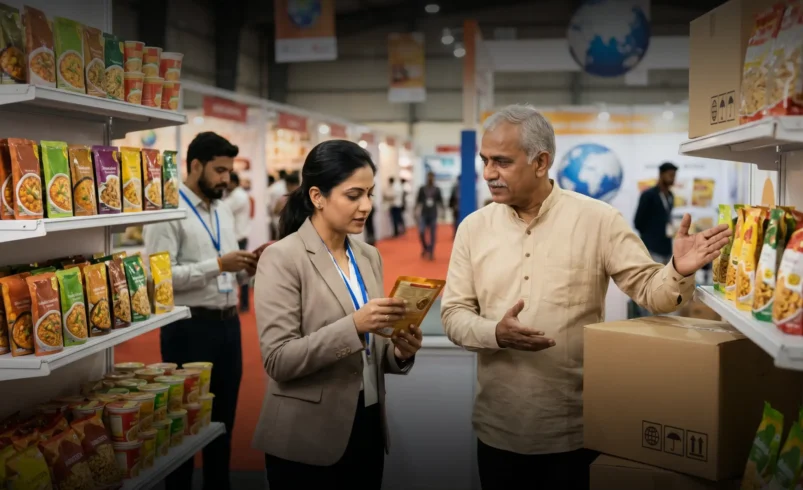

The global demand for ready-to-eat instant foods is accelerating as consumers increasingly prioritize convenience, speed, and consistent quality. From urban households to institutional buyers, the shift toward packaged ready meals and convenience food products is reshaping the food supply chain. For B2B businesses, this segment presents strong growth potential across domestic and export markets.
As lifestyles become faster and more demanding, businesses must align with reliable sourcing partners and scalable supply chains to meet rising demand.
Rising Demand for Convenience Food Products
Convenience food products have become a staple across multiple consumer segments. Ready-to-eat instant foods are no longer limited to emergency or occasional consumption. They are now part of daily routines.
Key demand drivers include:
Urbanization and busy lifestyles
Growth of nuclear families and working professionals
Increased demand for quick meal solutions
Expansion of retail and e-commerce channels
Rising consumption in institutional sectors like hospitality and travel
This growing demand is pushing ready-to-eat and instant foods manufacturers to scale production and diversify offerings.
Importance of Bulk Instant Foods in B2B Supply Chains
For distributors, retailers, and institutional buyers, bulk instant foods play a crucial role in ensuring uninterrupted supply and cost efficiency.
Working with a bulk ready-to-eat foods supplier offers:
Competitive pricing through volume procurement
Consistency in product quality and taste
Reliable availability during high-demand periods
Simplified inventory and supply chain management
A bulk instant food exporter is equally important for international buyers seeking stable sourcing partnerships.
Role of Manufacturers in Product Innovation
Ready-to-eat and instant foods manufacturers are continuously innovating to meet changing consumer expectations.
Key areas of focus include:
Development of diverse cuisines and flavors
Improved shelf life without compromising quality
Nutritional enhancement of packaged meals
Advanced packaging solutions for freshness
Instant food manufacturers and packaged meals manufacturers are investing in technology to maintain consistency at scale. To explore how the food and agriculture sector is evolving to meet modern consumer demands, read Cultivating Tomorrow: How Food & Agriculture Are Evolving.
Choosing the Right Suppliers for Reliability
Selecting dependable ready-to-eat and instant foods suppliers is essential for maintaining product quality and meeting delivery timelines.
Key evaluation criteria include:
Production capacity and scalability
Food safety and hygiene standards
Packaging quality and durability
Supply chain efficiency and delivery timelines
Instant food suppliers and packaged meals suppliers with strong operational capabilities ensure consistent performance.
Wholesalers and Exporters Expanding Market Reach
Ready-to-eat and instant foods wholesalers play a key role in distributing products across regional markets.
On the global side, ready-to-eat and instant foods exporters handle:
Bulk shipments and international logistics
Compliance with food safety regulations
Export-grade packaging and labeling
Coordination with global buyers
Packaged meals exporters and instant food exporters are enabling businesses to access international demand efficiently.
Packaged Ready Meals: A High-Growth Segment
Packaged ready meals are gaining strong traction in both retail and institutional markets.
Advantages include:
Minimal preparation time for consumers
Consistent portion sizes and quality
Wide variety of meal options
Easy storage and transportation
High-quality packaged meals supplier networks are critical for businesses targeting this fast-growing segment.
Premium and Organic Segments on the Rise
The demand for healthier and premium food options is reshaping the ready-to-eat category.
A premium ready-to-eat food supplier focuses on:
High-quality ingredients
Superior taste and presentation
Advanced packaging technologies
Targeting premium consumer segments
An organic convenience foods wholesaler caters to businesses seeking clean-label and health-focused products.
Quality Standards That Define Market Success
Quality is a key differentiator in the ready-to-eat instant foods segment.
Critical parameters include:
Taste and consistency across batches
Shelf life and storage stability
Hygiene and food safety compliance
Nutritional value and labeling accuracy
Packaging integrity
Working with reliable ready-to-eat and instant foods suppliers ensures adherence to these standards.
Logistics and Storage Considerations
Efficient logistics are essential for maintaining product quality and ensuring timely delivery.
Important factors include:
Proper packaging to prevent damage during transit
Temperature considerations for certain products
Timely dispatch to maintain shelf life
Inventory planning based on demand cycles
Experienced ready-to-eat and instant foods exporters manage these aspects effectively.
Pricing Strategy in Bulk Procurement
Pricing in this segment depends on product type, ingredients, packaging, and order volume.
Buyers should consider:
Cost advantages of bulk procurement
Long-term value versus short-term pricing
Supplier reliability and consistency
Market demand fluctuations
Direct sourcing from ready-to-eat and instant foods wholesalers or manufacturers often provides better margins.
Building Strong Supplier Relationships
Long-term supplier relationships are essential for sustained growth in the food business.
Best practices include:
Clear communication of product requirements
Regular quality checks and audits
Timely payments and contract adherence
Long-term agreements for supply stability
Strong partnerships lead to consistent supply and better commercial terms.
Emerging Trends in the Ready-to-Eat Food Industry
The industry is evolving rapidly with changing consumer preferences and technological advancements.
Key trends include:
Growth of health-focused and fortified instant foods
Expansion of global cuisines in packaged meals
Increased demand for sustainable packaging
Rising exports to international markets
Ready-to-eat and instant foods manufacturers and suppliers are aligning their strategies with these trends.
Final Thoughts
The ready-to-eat instant foods market offers significant opportunities for B2B businesses. From bulk instant foods to premium packaged ready meals, the sector is expanding across both domestic and global markets.
Success depends on sourcing high-quality products, building reliable supplier networks, and adapting to evolving consumer demands. Whether working with ready-to-eat and instant foods manufacturers, partnering with a bulk ready-to-eat foods supplier, or expanding globally through exporters, businesses must adopt a strategic and scalable approach.
With the right sourcing strategy and supplier partnerships, companies can capitalize on the growing demand for convenience food products and achieve long-term growth.