
The global food industry is undergoing a major shift as demand for dairy products alternatives continues to rise. Changing consumer preferences, increasing lactose intolerance awareness, and the growth of vegan lifestyles are driving the expansion of milk substitutes and plant-based dairy solutions. For B2B businesses, this shift is not just a trend but a significant opportunity to diversify product portfolios and tap into high-growth markets.
From bulk dairy products to innovative plant-based offerings, businesses must now balance traditional demand with emerging alternatives to stay competitive.
Rising Demand for Dairy Products and Alternatives
The market for dairy products and alternatives manufacturers is expanding rapidly across regions. While conventional dairy continues to hold a strong position, alternatives are gaining momentum in both retail and industrial segments.
Key demand drivers include:
Increasing health-conscious consumers
Growth in vegan and flexitarian diets
Rising cases of lactose intolerance
Expansion of food processing and ready-to-eat segments
Demand for sustainable and ethical food production
This dual demand is encouraging businesses to work with both high-quality dairy products suppliers and milk alternatives suppliers.
Bulk Dairy Products Still Hold Strong B2B Value
Despite the rise of alternatives, bulk dairy products remain essential in multiple industries such as food processing, hospitality, and confectionery.
Working with a bulk dairy products supplier offers:
Consistent quality for large-scale production
Cost efficiency through volume purchasing
Reliable supply chains for daily operations
Standardization in taste and texture
A high-quality dairy products supplier plays a crucial role in ensuring consistency for businesses that rely on traditional dairy inputs.
The Rapid Expansion of Milk Substitutes
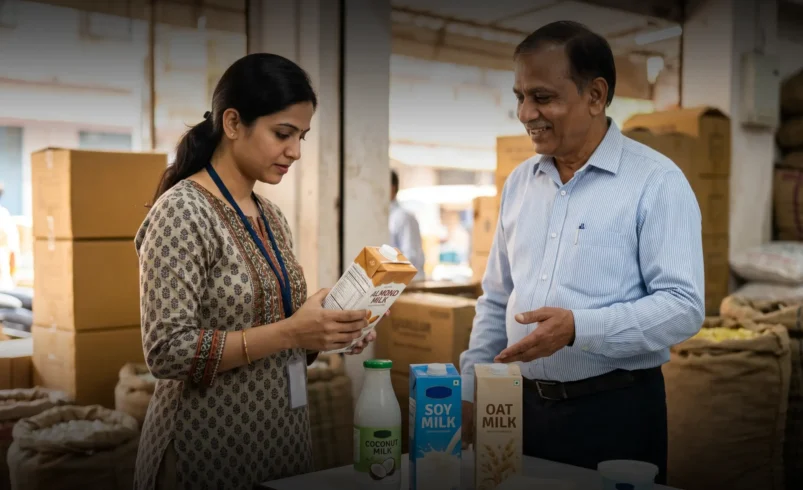
Milk substitutes have become one of the fastest-growing segments within the food industry. Products such as almond milk, soy milk, oat milk, and coconut milk are now widely used across industries.
Milk alternatives manufacturers are focusing on:
Nutritional fortification to match dairy benefits
Improved taste and texture profiles
Longer shelf life for easier distribution
Scalable production for bulk supply
Milk alternatives exporters are also witnessing increased demand from international markets, especially in regions with growing plant-based consumption.
Plant-Based Dairy: A High-Growth Segment
Plant-based dairy is no longer a niche category. It has become a mainstream segment with strong B2B demand.
Plant-based dairy manufacturers are innovating across product lines such as:
Plant-based milk and creamers
Dairy-free cheese and butter
Vegan yogurt and desserts
Ready-to-use ingredients for food processing
Plant-based dairy suppliers and plant-based dairy exporters are enabling businesses to meet evolving consumer expectations while expanding into new markets.
Role of Manufacturers in Product Development
Dairy products and alternatives manufacturers are investing heavily in research and development to improve product quality and scalability.
Key focus areas include:
Enhancing nutritional value
Improving shelf stability
Developing clean-label products
Reducing production costs
This innovation is helping businesses offer competitive and differentiated products in both dairy and alternative segments. To understand how local dairy networks are reshaping food trust and supply chains, read Why Local Dairy Networks Are Reshaping Food Trust.
Importance of Suppliers in Maintaining Supply Chain Stability
Reliable dairy products and alternatives suppliers are essential for uninterrupted operations.
Key factors to evaluate include:
Product consistency and quality standards
Production capacity and scalability
Compliance with food safety regulations
Efficient logistics and delivery timelines
Milk alternatives suppliers and plant-based dairy suppliers with strong supply chains ensure timely fulfillment of bulk orders.
Wholesalers and Exporters Driving Market Expansion
Dairy products and alternatives wholesalers play a key role in distributing products across domestic markets.
On the global front, dairy products and alternatives exporters handle:
Bulk shipments and international logistics
Regulatory compliance and certifications
Packaging suited for export markets
Coordination with global buyers
A premium milk substitutes exporter can help businesses enter high-value international markets with specialized products.
Organic and Premium Segments Gaining Traction
The demand for clean-label and sustainable products is driving growth in organic segments.
An organic dairy alternatives supplier focuses on:
Natural and chemical-free ingredients
Sustainable sourcing practices
Environment-friendly packaging
Similarly, a bulk plant-based dairy wholesaler supports large-scale buyers looking for eco-friendly and health-oriented products.
Quality Parameters That Define Success
Quality remains a critical factor in both dairy and alternative products.
Key indicators include:
Nutritional composition and fortification
Taste, texture, and consistency
Shelf life and storage stability
Compliance with food safety standards
Packaging and hygiene practices
Working with trusted dairy products and alternatives suppliers ensures adherence to these standards.
Logistics and Storage Considerations
Efficient logistics are essential to maintain product quality, especially for perishable dairy items and sensitive plant-based products.
Important considerations include:
Cold chain management for dairy products
Shelf-stable packaging for plant-based alternatives
Timely delivery to avoid spoilage
Proper inventory planning for bulk orders
Experienced dairy products and alternatives exporters ensure smooth handling of these logistics challenges.
Pricing Strategy in Bulk Procurement
Pricing varies depending on product type, quality, and order volume.
Buyers should assess:
Cost advantages of bulk purchasing
Long-term value versus short-term pricing
Supplier reliability and consistency
Market demand fluctuations
Direct sourcing from manufacturers or wholesalers often provides better pricing and control.
Building Long-Term Supplier Partnerships
Strong relationships with suppliers are essential for sustained growth.
Best practices include:
Clear communication of product specifications
Regular quality audits
Long-term agreements for stability
Transparent pricing and payment terms
Reliable partnerships lead to consistent supply and improved business performance.
Emerging Trends in the Dairy and Alternatives Market
The industry is evolving rapidly with changing consumer and market dynamics.
Key trends include:
Rapid growth of plant-based dairy products
Increasing demand for fortified milk substitutes
Expansion of export markets for alternatives
Greater focus on sustainability and ethical sourcing
Dairy products and alternatives manufacturers and suppliers are aligning their strategies with these trends.
Final Thoughts
The dairy products alternatives market presents a powerful opportunity for B2B businesses to diversify and grow. While traditional bulk dairy products continue to play a vital role, the rise of milk substitutes and plant-based dairy is reshaping the industry.
Success in this space depends on sourcing high-quality products, building strong supplier networks, and staying aligned with market trends. Whether working with dairy products and alternatives manufacturers, partnering with a bulk dairy products supplier, or expanding globally through exporters, businesses must adopt a strategic approach.
A balanced focus on both conventional and alternative segments will help companies remain competitive in an evolving global food market.