
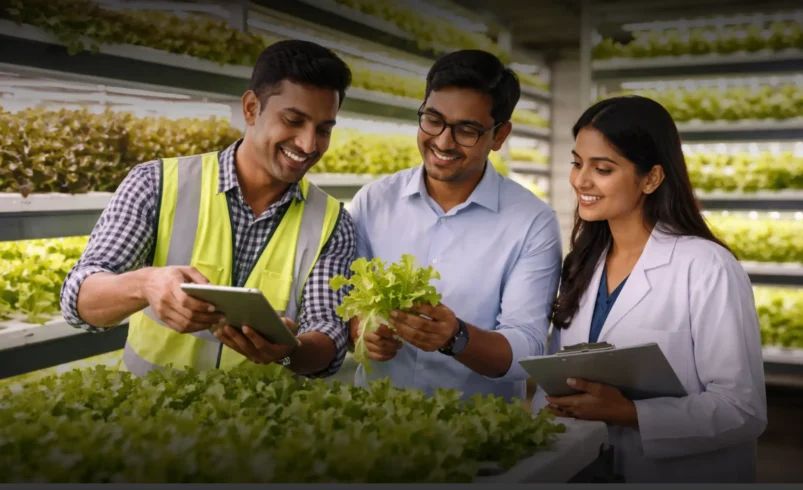

Agriculture is undergoing a structural transformation as land constraints, water scarcity, and urbanization reshape how food is produced. Hydroponic vertical farming systems are emerging as a powerful solution, enabling high-yield cultivation in controlled environments with minimal resource usage.
For B2B buyers, agri-entrepreneurs, infrastructure developers, and exporters, investing in modern farming systems is no longer experimental. It is becoming a scalable business model with strong demand across urban and international markets.
Understanding Hydroponic and Vertical Farming Systems
Hydroponic and vertical farming systems allow crops to grow without soil, using nutrient-rich water solutions and controlled environments.
Core components include:
Hydroponic systems for nutrient delivery
Vertical farm equipment for stacked cultivation
Climate control systems for temperature and humidity
LED lighting systems for optimized plant growth
Monitoring tools for automation and precision
These systems enable year-round production with consistent quality and higher efficiency.
Why Bulk Procurement is Essential for Commercial Projects
Large-scale indoor farms, urban agriculture projects, and export-oriented operations require bulk hydroponic systems to ensure consistency and cost efficiency.
Working with a bulk hydroponic systems supplier provides:
Lower costs through volume purchasing
Standardized system design across facilities
Faster setup and scalability
Simplified maintenance and operations
Better margins for distributors and developers
A bulk modern farming systems wholesaler plays a crucial role in supporting large installations.
Role of Manufacturers in Technology Advancement
Hydroponic and vertical farming systems manufacturers are driving innovation by integrating automation, data analytics, and energy-efficient technologies.
Leading vertical farming equipment manufacturers focus on:
Optimizing nutrient delivery systems
Enhancing energy efficiency in lighting and climate control
Developing modular systems for easy scalability
Integrating IoT for real-time monitoring
Businesses that collaborate with advanced manufacturers gain access to cutting-edge solutions and customized designs. To understand why small farms are increasingly adopting vertical and modern farming systems, read Why Small Farms Need Vertical Systems in 2026.
Choosing the Right Suppliers for Reliability
Selecting dependable hydroponic and vertical farming systems suppliers is critical for project success.
Key factors to evaluate include:
Product quality and durability
Customization capabilities
Technical support and installation services
Supply capacity and delivery timelines
Experience in large-scale projects
Vertical farming equipment suppliers with strong technical expertise can significantly reduce operational risks.
Importance of Wholesalers and Exporters in Global Expansion
Hydroponic and vertical farming systems wholesalers help distribute equipment across regions, making advanced farming solutions accessible to more businesses.
On the global front, hydroponic and vertical farming systems exporters manage:
International logistics and shipping
Compliance with import regulations
Bulk order handling
Installation and technical support
Working with experienced vertical farming equipment exporters ensures smooth execution of cross-border projects.
Hydroponic Systems: Precision and Efficiency
Hydroponic systems are at the core of modern farming systems, offering precise control over nutrient delivery.
Key benefits include:
Reduced water usage compared to traditional farming
Faster plant growth cycles
Higher crop yields in limited space
Minimal soil-related diseases
Partnering with a high-quality hydroponic equipment supplier ensures reliable system performance and long-term efficiency.
Vertical Farming Equipment: Maximizing Space Utilization
Vertical farming equipment enables cultivation in stacked layers, making it ideal for urban and indoor farming.
Advantages include:
Efficient use of limited space
Controlled growing conditions
Reduced dependency on weather
Scalability for commercial operations
This makes vertical farming a viable solution for cities and regions with limited agricultural land.
Premium and Organic Farming Solutions Gaining Traction
As consumers demand higher-quality produce, the market for premium and organic farming solutions is expanding.
A premium hydroponic systems supplier typically offers:
Advanced automation features
High-efficiency lighting and climate systems
Customized solutions for commercial farms
An organic vertical farm equipment exporter focuses on eco-friendly systems that support chemical-free cultivation and sustainable practices.
Quality Parameters That Define System Performance
Quality is critical in hydroponic and vertical farming systems due to their technical complexity.
Key indicators include:
Durability and material quality
Energy efficiency of components
Precision in nutrient and water delivery
Ease of installation and maintenance
Compatibility with automation systems
Working with established hydroponic and vertical farming systems suppliers ensures consistent performance.
Logistics and Installation Considerations
Setting up hydroponic and vertical farms requires careful planning and coordination.
Important considerations include:
Safe packaging and transportation of equipment
On-site installation and setup support
Training for system operation
Maintenance and troubleshooting services
Experienced hydroponic and vertical farming systems exporters often provide end-to-end solutions.
Pricing Strategy in Bulk Procurement
Pricing depends on system size, technology level, and customization requirements.
Buyers should evaluate:
Initial investment versus long-term returns
Energy and operational costs
Bulk purchase discounts
Financing and payment terms
Direct sourcing from hydroponic and vertical farming systems wholesalers or manufacturers often ensures better value.
Building Strong Supplier Relationships
Long-term partnerships with suppliers are essential for sustained success.
Best practices include:
Clear communication of project requirements
Regular feedback on system performance
Timely payments
Collaborative planning for expansion
Strong relationships lead to better support, priority service, and improved commercial terms.
Emerging Trends in Modern Farming Systems
The hydroponic and vertical farming industry is evolving rapidly with technological advancements.
Key trends include:
Integration of AI and IoT for smart farming
Increased adoption of automation in large farms
Focus on energy-efficient solutions
Expansion of export markets for indoor farming produce
Hydroponic and vertical farming systems manufacturers and suppliers are aligning with these trends to meet future demand.
Final Thoughts
Hydroponic vertical farming systems represent the future of agriculture, offering scalable, efficient, and sustainable solutions for food production. For B2B buyers, success lies in building a strong sourcing network that ensures quality, innovation, and reliability.
Whether working with hydroponic and vertical farming systems manufacturers, sourcing from a bulk hydroponic systems supplier, or expanding globally through hydroponic and vertical farming systems exporters, every decision impacts operational success and profitability.
A well-planned procurement strategy, supported by strong supplier relationships and quality evaluation, can help businesses thrive in the fast-growing modern farming sector.