
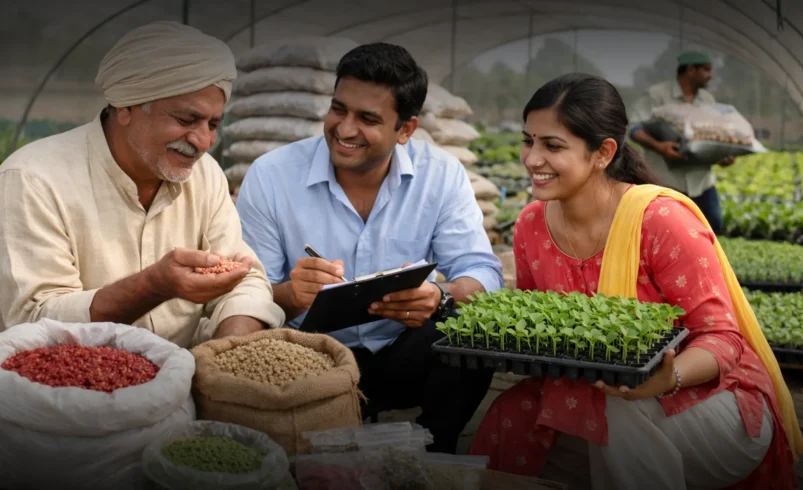

The foundation of every successful agricultural operation begins with one critical input, seeds planting materials. Whether it is large-scale farming, contract agriculture, or agri-retail distribution, the quality and sourcing of agricultural seeds directly determine yield, consistency, and profitability.
For B2B buyers, agri-input dealers, exporters, and institutional buyers, developing a structured sourcing strategy for bulk seeds and farm planting products is essential to remain competitive in a rapidly evolving agricultural landscape.
Understanding the Seeds and Planting Materials Market
The seeds industry is highly specialized, with multiple segments catering to different agricultural needs.
Key categories include:
Vegetable seeds for commercial farming
Fruit seeds for orchards and plantation crops
Flower seeds for horticulture and landscaping
Hybrid and high-yield agricultural seeds
Organic and untreated seeds for sustainable farming
Each category requires specific sourcing expertise, as quality, germination rate, and genetic consistency vary significantly.
Why Bulk Procurement is Essential for Scale
For distributors, agri-businesses, and institutional buyers, sourcing from a bulk seeds supplier ensures cost efficiency and supply stability.
Benefits of working with a bulk farm seeds wholesaler include:
Lower procurement cost per unit
Consistent seed quality across batches
Reliable availability during peak seasons
Simplified logistics and inventory planning
Better margins for resale and distribution
Bulk sourcing becomes particularly important during sowing seasons when demand spikes sharply.
Role of Manufacturers in Seed Quality and Innovation
Seeds and planting materials manufacturers play a central role in determining crop outcomes. Their research, breeding techniques, and quality control processes directly impact productivity.
Working with established vegetable seeds manufacturers, fruit seeds manufacturers, or flower seeds manufacturers offers:
Access to high-yield and disease-resistant varieties
Consistent germination rates
Region-specific seed varieties
Technical support and crop guidance
Manufacturers investing in R&D bring innovations that improve yield and reduce crop risks. To understand how technology is transforming modern agriculture, read Agri-Industry Growth Driving Technology in Modern Farming.
Choosing the Right Suppliers for Reliability
Selecting dependable seeds and planting materials suppliers is critical for maintaining trust with end customers.
Key factors to evaluate include:
Germination rate and seed purity
Certification and compliance with agricultural standards
Packaging and shelf life
Storage and transportation conditions
Market reputation and distribution network
Vegetable seeds suppliers and fruit seeds suppliers with strong logistics capabilities ensure timely delivery during critical planting windows.
Importance of Wholesalers and Exporters in Market Expansion
Seeds and planting materials wholesalers play an important role in distributing products across regions, especially in rural and semi-urban markets.
On the international front, seeds and planting materials exporters handle regulatory compliance, phytosanitary certifications, and logistics.
Working with experienced vegetable seeds exporters, fruit seeds exporters, or flower seeds exporters provides:
Smooth handling of bulk shipments
Compliance with international agricultural regulations
Reduced risk of shipment delays
Access to global markets
This is crucial for businesses aiming to expand beyond domestic markets.
Vegetable Seeds: High Demand and Fast Turnover
Vegetable seeds are among the most in-demand farm planting products due to their short crop cycles and consistent market demand.
Key advantages include:
Quick harvest cycles leading to faster returns
High demand in both domestic and export markets
Wide variety of crops for diversification
Partnering with a high-quality vegetable and fruit seeds supplier ensures consistent performance and better crop outcomes.
Fruit Seeds: Long Term Investment with High Returns
Fruit seeds are typically used for orchard development and long-term agricultural planning.
Benefits include:
High profitability over time
Strong demand in export markets
Suitable for contract farming models
Working with reliable fruit seeds suppliers ensures genetic consistency and long-term yield stability.
Flower Seeds: Expanding Opportunities in Horticulture
The demand for flower seeds is growing due to increasing use in decoration, landscaping, and event management.
Flower seeds manufacturers and suppliers cater to:
Floriculture businesses
Landscaping projects
Export-oriented flower production
This segment offers high margins but requires careful handling and quality control.
Growing Demand for Organic and Premium Seeds
With increasing awareness about sustainable farming, demand for organic seeds is rising steadily.
An organic seeds supplier focuses on:
Chemical-free seed production
Non-GMO varieties
Sustainable farming compatibility
At the same time, a premium planting materials exporter caters to high-value markets that demand superior quality and performance.
Quality Parameters That Cannot Be Ignored
Seed quality directly affects crop yield, making it one of the most critical factors in procurement.
Key quality indicators include:
Germination percentage
Genetic purity
Resistance to pests and diseases
Adaptability to climatic conditions
Shelf life and storage stability
Working with established seeds and planting materials suppliers ensures adherence to these standards.
Storage and Logistics Considerations
Seeds require proper storage conditions to maintain viability.
Important considerations include:
Temperature-controlled storage
Protection from moisture and pests
Efficient packaging for long-distance transport
Timely delivery before sowing seasons
Experienced seeds and planting materials exporters ensure that these factors are managed effectively.
Pricing Strategy in Seed Procurement
Pricing depends on seed type, variety, quality, and volume.
Buyers should evaluate:
Cost per unit versus expected yield
Bulk purchase discounts
Seasonal price fluctuations
Payment terms and credit options
Direct sourcing from seeds and planting materials wholesalers or manufacturers often results in better pricing and reliability.
Building Long Term Supplier Partnerships
Strong supplier relationships are essential for consistent supply and quality assurance.
Best practices include:
Clear communication of requirements
Regular quality feedback
Timely payments
Collaborative planning for seasonal demand
Long-term partnerships often lead to priority supply and better commercial terms.
Emerging Trends in the Seeds Industry
The seeds and planting materials market is evolving with technological advancements and changing agricultural practices.
Key trends include:
Increased adoption of hybrid and high-yield varieties
Growth of organic and sustainable farming inputs
Expansion of export markets for agricultural seeds
Use of technology in seed testing and quality control
Seeds and planting materials manufacturers and suppliers are adapting to these trends to stay competitive.
Final Thoughts
In agriculture, success begins at the seed level. For B2B buyers and agri-businesses, building a reliable sourcing network for seeds planting materials is essential for long-term growth.
Whether working with seeds and planting materials manufacturers, sourcing from a bulk seeds supplier, or expanding through vegetable seeds exporters and fruit seeds exporters, every decision directly impacts productivity and profitability.
A well-structured procurement strategy, supported by strong supplier relationships and quality assurance, can help businesses scale efficiently in the competitive agricultural sector.