
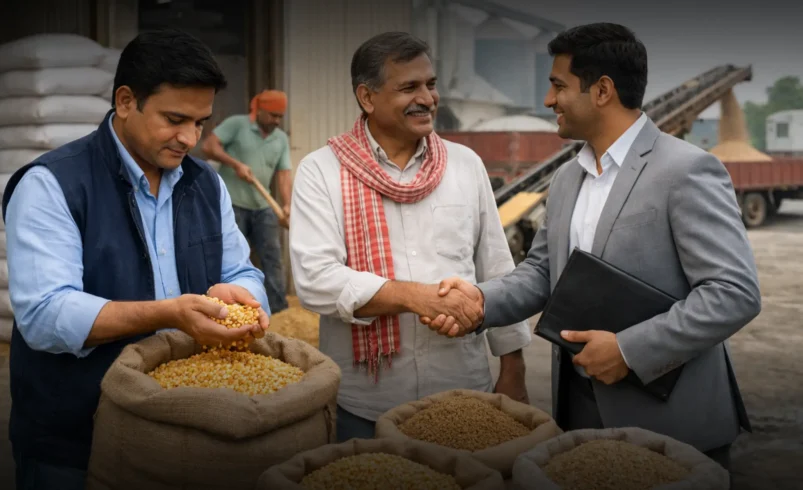

The livestock industry is no longer driven by traditional feeding practices alone. Scientific animal feed nutrition has become central to improving productivity, disease resistance, and overall farm profitability. For B2B buyers, sourcing the right livestock nutrition products is not just a procurement decision, it directly impacts output quality, growth rates, and operational efficiency.
Globally, the animal feed market is projected to exceed USD 500 billion by 2030, driven by rising demand for meat, dairy, and poultry products. This surge has created strong demand for reliable animal feed and nutrition manufacturers who can deliver consistent quality at scale.
Understanding the Scope of Animal Feed and Nutrition
Animal feed nutrition covers a broad category of products designed to meet the dietary needs of livestock at different growth stages. These include base feed, fortified mixtures, and specialized animal feed supplements.
Core product segments include:
Cattle feed for dairy and beef production
Poultry feed for broilers and layers
Aquaculture feed
Sheep and goat feed
Mineral mixtures and protein supplements
Each category is formulated based on species-specific nutritional requirements, making it essential for buyers to work with experienced livestock feed manufacturers.
Why Bulk Procurement is the Preferred Model
For distributors, large farms, and institutional buyers, sourcing bulk animal feed is the most cost-effective approach. A reliable bulk animal feed supplier ensures uninterrupted supply, which is critical for livestock operations that depend on daily feeding cycles.
Advantages of bulk sourcing include:
Lower cost per unit
Consistent formulation across batches
Reduced transportation cost per ton
Better inventory planning
Stronger negotiation leverage
Partnering with a bulk feed supplements wholesaler also allows buyers to maintain a steady stock of essential additives and nutrients.
Role of Manufacturers in Ensuring Feed Quality
Animal feed and nutrition manufacturers are responsible for maintaining formulation accuracy, ingredient quality, and safety standards. Even minor inconsistencies in feed composition can affect animal health and productivity.
Leading feed supplements manufacturers focus on:
Balanced nutrient composition
High digestibility of ingredients
Use of safe and tested raw materials
Compliance with international quality standards
Manufacturers also invest in research to develop advanced livestock nutrition products that improve feed conversion ratios and overall performance.
Choosing Reliable Suppliers for Long Term Growth
Selecting the right animal feed and nutrition suppliers is a strategic decision. A dependable supplier ensures product consistency, timely delivery, and technical support.
Key evaluation criteria include:
Production capacity and scalability
Quality certifications and testing processes
Transparency in ingredient sourcing
Ability to customize formulations
Export capabilities and documentation support
Livestock feed suppliers with strong supply chains are better equipped to handle large and recurring orders.
Importance of Wholesalers and Exporters in Global Trade
Animal feed and nutrition wholesalers play a key role in distributing products across regions, especially where direct manufacturer access is limited. They help bridge supply gaps and ensure availability in local markets.
On the international front, animal feed and nutrition exporters manage cross-border logistics, regulatory compliance, and documentation. Working with experienced livestock feed exporters or feed supplements exporters reduces the complexity of global sourcing.
Benefits of working with exporters include:
Expertise in international shipping and logistics
Knowledge of import regulations
Efficient handling of bulk consignments
Reduced risk of delays or compliance issues
Rising Demand for Organic and Premium Feed Solutions
The shift towards sustainable farming has increased demand for organic feed solutions. An organic animal feed supplier typically offers products free from synthetic additives, antibiotics, and harmful chemicals.
This segment is gaining traction in premium markets where consumers demand higher quality meat and dairy products.
Products in this category include:
Organic grain-based feed
Natural mineral supplements
Herbal feed additives
Chemical-free protein sources
For high-end markets, sourcing from a premium livestock feed exporter helps position products as superior in quality and safety.
Evaluating Feed Quality and Performance
Quality assessment is critical in animal feed procurement. Buyers must ensure that the products deliver consistent nutritional value and performance.
Key quality indicators include:
Nutrient composition accuracy
Absence of contaminants and toxins
Shelf life and storage stability
Palatability for livestock
Proven performance results
Working with a high-quality animal nutrition supplier ensures that these parameters are consistently met.
Logistics and Storage Considerations
Animal feed is sensitive to moisture, temperature, and storage conditions. Efficient logistics and proper handling are essential to maintain product quality.
Important considerations include:
Moisture-resistant packaging
Proper ventilation during storage
Timely transportation to avoid spoilage
Inventory rotation to maintain freshness
Experienced animal feed and nutrition exporters usually follow strict handling protocols to preserve feed quality during transit.
Pricing Factors in Bulk Procurement
Pricing in the animal feed sector depends on multiple variables such as raw material costs, formulation complexity, and transportation expenses.
Buyers should evaluate:
Cost per ton including logistics
Stability of pricing over long term contracts
Payment terms and credit facilities
Currency exchange risks in international trade
Direct engagement with animal feed and nutrition wholesalers or manufacturers often results in better pricing structures.
Building Strong Supplier Relationships
Long term partnerships are essential in the livestock industry. Consistent supply and quality cannot be achieved through short term transactions alone.
Best practices for relationship building include:
Clear communication of requirements
Regular performance feedback
Timely payments
Collaborative demand planning
Strong partnerships often lead to priority supply and better commercial terms.
Emerging Trends in Animal Feed and Nutrition
The industry is evolving with advancements in science and technology. Buyers need to stay aligned with these changes to remain competitive.
Key trends include:
Use of precision nutrition techniques
Increased demand for antibiotic-free feed
Growth in plant-based protein sources
Integration of technology in feed formulation
Livestock feed manufacturers and suppliers are adapting to these trends by offering more specialized and performance-driven products.
Final Thoughts
The market for animal feed nutrition is expanding rapidly, driven by increasing demand for high-quality livestock products. For B2B buyers, the focus should be on sourcing from reliable partners who can deliver consistency, quality, and scalability.
Whether working with animal feed and nutrition manufacturers, engaging a bulk animal feed supplier, or partnering with feed supplements exporters, every decision plays a role in shaping business success.
A structured procurement strategy backed by strong supplier relationships and quality evaluation can help businesses build a resilient and profitable supply chain in this competitive sector.