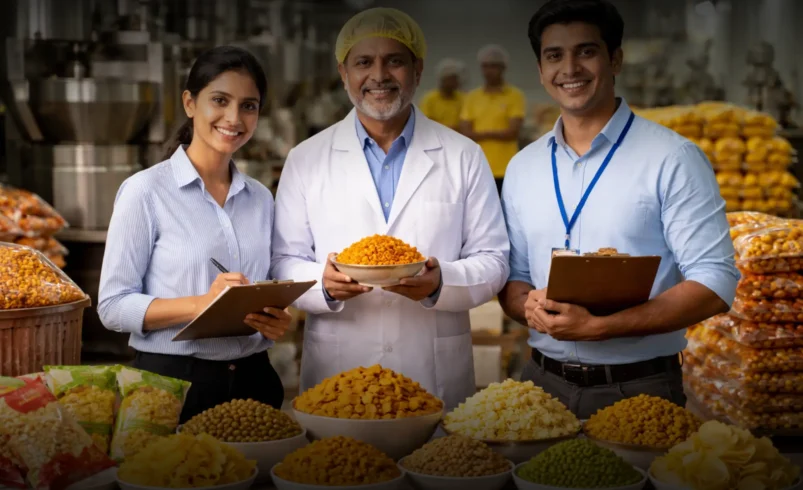

India’s snacks and namkeen industry has evolved from small regional setups into a powerful B2B ecosystem supplying domestic and global markets. What began as local favorites has now turned into a high-volume, export-ready category with strong demand across retail chains, horeca, and international buyers. Today, namkeen manufacturers in India are playing a key role in driving this growth across both domestic and export markets.
For manufacturers, distributors, and exporters, the snacks segment offers consistent demand, repeat orders, and scalability. This makes it one of the most attractive sectors for B2B growth.
Industry Overview and Market Size
India’s snacks industry is one of the fastest-growing segments in the food processing sector.
Key industry stats:
The Indian snacks market is valued at over USD 15 billion
Expected growth rate is around 10–12% CAGR
Packaged namkeen and savory snacks contribute a significant share
India exports snacks to over 100+ countries
Global savory snacks market is valued at over USD 250 billion
This growth is driven by urbanization, changing lifestyles, and rising demand for convenience foods.
Key Product Categories in Snacks and Namkeen
The snacks industry includes a wide variety of products catering to different consumer preferences.
Traditional Namkeen
Bhujia, sev, mixtures
Moong dal and chana snacks
Regional specialties
These products have strong domestic demand and growing export potential.
Packaged Savory Snacks
Chips and extruded snacks
Flavored nuts and seeds
Ready-to-eat snack mixes
Healthy and Premium Snacks
Baked snacks
Low-oil namkeen
Millet-based snacks
This category is gaining popularity among health-conscious consumers.
Ethnic and Regional Snacks
Indian snacks have strong demand in global ethnic markets, especially among diaspora communities.
B2B Buyers in the Snacks Industry
The demand for snacks comes from multiple business segments.
Major buyers include:
Supermarkets and retail chains
Wholesalers and distributors
Hotels, restaurants, and catering businesses
Export import companies
Online grocery platforms
Bulk buyers often prefer suppliers who can ensure consistent quality and volume.
Export Opportunities for Indian Snacks
India is a major exporter of namkeen and snack products due to its strong flavor base and cost advantage.
Key Export Markets:
Middle East
United States
United Kingdom
Africa
Southeast Asia
Products like bhujia, mixtures, and ready-to-eat snacks are especially popular in international markets.
Export Growth Drivers:
Rising demand for ethnic foods
Increasing Indian diaspora
Growing acceptance of Indian flavors globally
Supply Chain and Distribution
The snacks industry relies heavily on efficient supply chains.
Key Elements:
Raw material sourcing (flours, spices, oils)
Manufacturing and packaging
Warehousing and logistics
Distribution networks
Bulk supply capability is critical for securing long-term B2B contracts.
Quality and Compliance Requirements
Food safety and quality play a major role in the snacks industry.
Important Standards:
FSSAI compliance (India)
International food safety certifications
Proper labeling and packaging
Shelf-life stability
Exporters must meet strict quality requirements to access global markets.
Industry Trends Shaping the Market
Shift Toward Packaged Foods — Consumers are moving from loose snacks to branded packaged products.
Growth of Health-Focused Snacks — Demand is increasing for:
Low-fat snacks
Baked alternatives
Organic and millet-based products
Premiumization — Consumers are willing to pay more for:
Better packaging
Unique flavors
High-quality ingredients
Rise of Private Labeling — Retail chains are sourcing snacks under their own brands from manufacturers.
Challenges in the Snacks Industry
Despite strong growth, businesses face several challenges.
Price Sensitivity — Snacks are a price-driven category, especially in bulk markets.
Raw Material Cost Fluctuations — Changes in prices of oil, pulses, and spices impact margins.
Shelf Life Management — Maintaining freshness during storage and transportation is critical.
Competition — The market is highly competitive with both organized and unorganized players.
Growth Strategies for B2B Businesses
To succeed in the snacks and namkeen industry, businesses should focus on:
Expanding Product Range — Offer a mix of traditional and modern snack options.
Investing in Packaging — Attractive and durable packaging improves shelf appeal and shelf life.
Strengthening Distribution — Build strong networks with distributors and wholesalers.
Targeting Export Markets — Focus on high-demand regions and diaspora markets.
Leveraging Digital Platforms — Online B2B platforms help connect with bulk buyers and generate inquiries.
Role of SMEs in Industry Growth
Small and medium enterprises play a crucial role in the snacks ecosystem.
SME Advantages:
Flexibility in production
Ability to innovate flavors
Cost-effective manufacturing
Quick adaptation to market trends
Many SMEs are now scaling through exports and private labeling opportunities.
Future Outlook
The future of India’s snacks and namkeen industry looks highly promising.
Key growth drivers include:
Increasing urban consumption
Rising demand for ready-to-eat foods
Expansion of organized retail
Growing export opportunities
The industry is expected to continue its strong growth trajectory, with increasing participation from SMEs and new-age brands.
India’s snacks and namkeen industry is no longer just a local consumption category. It has become a powerful B2B sector with strong domestic demand and global export potential.
Businesses that focus on quality, innovation, and efficient supply chains will be well-positioned to scale in this competitive market. With the right strategies, manufacturers and suppliers can tap into consistent demand and build long-term growth.