
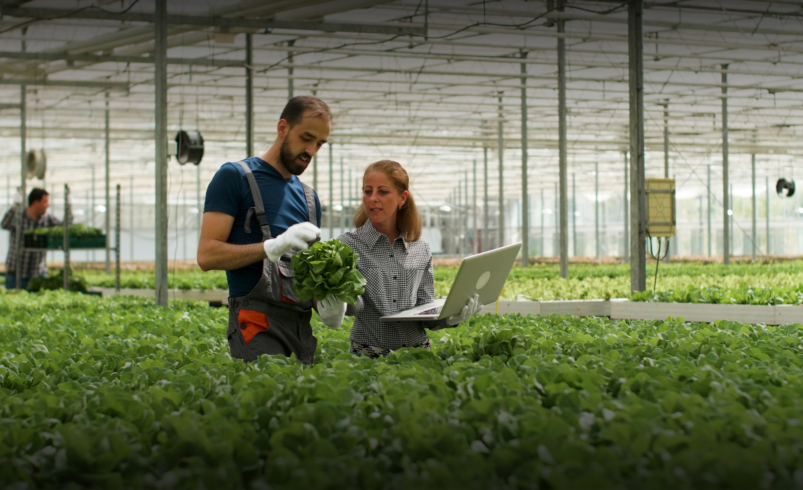

Integrated Pest and Disease Management (IPDM) is emerging as a cornerstone of modern farming. By blending technology, biological solutions, and precision tools, IPDM helps producers safeguard crops while reducing costs and environmental impact. Smart agribusinesses are realising that IPDM is not just about pest control, it’s about building resilient, profitable, and sustainable operations.
Digital Innovation Driving Smarter Crop Management
Agricultural technology has shifted from being a supportive tool to becoming the backbone of farm efficiency. Today, drones, soil sensors, and AI-powered dashboards allow farmers to track pest activity, crop health, and environmental changes in real time. This precision ensures interventions are timely and effective, reducing waste and protecting yields.
According to the Food and Agriculture Organization (FAO), up to 40% of global crop production is lost annually due to pests and plant diseases, reinforcing why digital IPDM tools are becoming essential rather than optional.
 Why Smaller Producers Are Turning to Advanced Tools
Small and medium-sized farmers face challenges such as labour shortages and rising input costs. For them, IPDM offers practical solutions. Automated monitoring systems reduce reliance on manual scouting, while compact spraying equipment ensures precise application of crop protection products. These innovations not only cut costs but also improve crop safety and consistency.
For those seeking reliable solutions, the  Pesticides and Crop Protection suppliers in Pepagora showcase a wide range of verified products designed to meet the needs of both small-scale and large-scale producers.
These offerings ensure farmers have access to trusted crop protection tools that align with modern IPDM practices, helping them safeguard yields while maintaining efficiency and sustainability
 Core Systems Reshaping Daily Production Practices
Several core systems are redefining how farms operate under IPDM frameworks:
- Digital Pest Monitoring: Sensors and drones track pest populations, enabling farmers to act before infestations spread.
- Automated Spraying Systems: Deliver precise doses of crop protection products, reducing waste and improving effectiveness.
- Decision-Support Software: Provides real-time recommendations based on weather, soil, and pest data.
- Biological Controls: Natural predators and bio-pesticides reduce reliance on synthetic chemicals.
These systems ensure pest management is proactive rather than reactive. Farmers can anticipate risks, optimize interventions, and maintain healthier crops with fewer disruptions.
 Economic Impact and Industry Growth
IPDM is not just improving productivity, it is reshaping industry economics. By reducing input costs and increasing yields, farmers achieve faster returns on investment. Mechanized pest management systems often deliver ROI within one or two growing seasons, compared to longer cycles under traditional methods.
Globally, the agricultural technology market is expanding rapidly, with IPDM solutions at the forefront. Pepagora empowers agribusinesses by connecting farmers with trusted suppliers and providing access to reliable, high-quality tools.
This ecosystem supports both large-scale producers and smallholders in adopting modern practices without compromising quality.
 Trends Shaping Future Industry Progress
Looking ahead, several trends are set to define IPDM in the coming years:
- AI-Driven Pest Prediction: Artificial intelligence will forecast outbreaks, allowing farmers to act before damage occurs.
- Sustainable Crop Protection: Eco-friendly solutions, including bio-pesticides and energy-efficient spraying systems, are gaining traction.
- Blockchain Transparency: Supply chains are moving toward blockchain-enabled tracking, ensuring credibility in pesticide sourcing and application.
- Integration with Renewable Energy: Solar-powered monitoring and spraying systems reduce dependence on grid electricity, lowering costs for rural farmers.
These innovations not only improve productivity but also align agriculture with global sustainability goals. Farmers adopting IPDM are better positioned to meet consumer demand for responsibly sourced food while protecting long-term soil and crop health.
FAQs
 IPDM helps farmers manage pests and diseases efficiently. By combining technology, biological controls, and targeted chemical use, it reduces waste, protects crops, and ensures sustainable production.
It lowers costs by minimising pesticide overuse, reducing labour needs, and preventing crop losses. Automated systems and predictive tools help farmers achieve better returns with fewer resources.
Pepagora connects farmers with verified suppliers of crop pesticides. This makes sourcing easier and ensures access to reliable, high-quality products.
Farmers use digital pest monitoring, automated spraying systems, biological controls, and decision-support software. These tools improve crop health and reduce risks.
Trends include AI-driven pest prediction, renewable energy-powered systems, blockchain transparency, and sustainable crop protection solutions. These innovations make IPDM more efficient and environmentally responsible.

He has practical experience in horticulture and plantation management, with a focus on Integrated Pest and Disease Management (IPDM).
Syed works on approaches that balance crop protection, environmental safety, and productivity, aiming to support readers in understanding modern agricultural technologies and solutions through well-structured and informative content.