

For decades, small farms relied on maximising soil productivity and seasonal cycles. That approach is increasingly unsustainable. Limited land, unpredictable weather, and rising input costs mean traditional methods can no longer guarantee stability.
According to the United Nations Food and Agriculture Organization (FAO), urban populations are expected to consume nearly 70% of global food by 2050. This demand places enormous pressure on smallholders to produce more with less space, making vertical systems a necessity rather than an option.
Technology Is Driving Consistent Yields
For years, small farms depended on manual labour and seasonal harvests. But inefficiencies, water waste, pest damage, and inconsistent yields created hidden costs that eroded profitability.
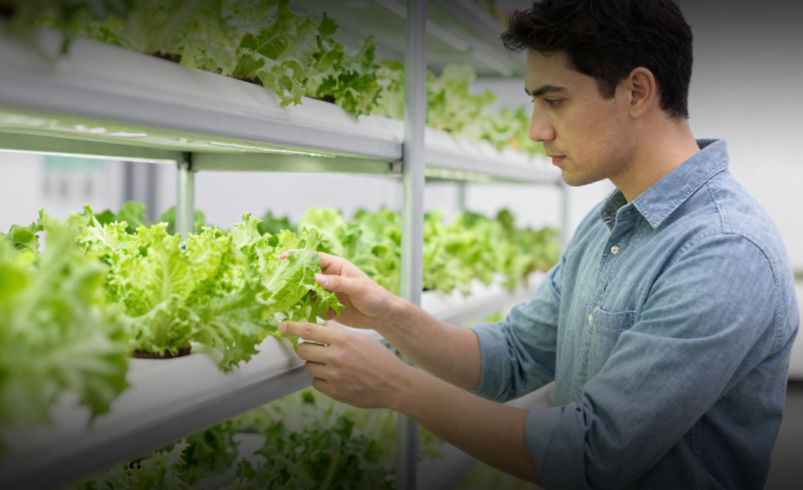
Vertical farming systems solve these issues by using hydroponics, automation, and controlled environments. Crops grow faster, water use drops by up to 90%, and losses from pests are minimized. Farmers who once struggled with unpredictable outcomes now achieve consistent production cycles.
For those seeking practical solutions, Hydroponic and Vertical Farming Systems Manufacturers in Pepagora showcase verified products and suppliers designed to help small farms scale sustainably.
Regulation and Market Forces Are Driving Change
Governments and consumers are demanding transparency and sustainability in food production. Energy-efficient systems, reduced chemical use, and traceable supply chains are no longer “nice-to-haves”; they are requirements for market access.
Key Fact: Research from the International Vertical Farming Association shows that farms using hydroponic vertical systems can achieve up to 30–40% higher yields compared to traditional soil-based methods. This performance advantage is critical for smallholders competing in local and regional markets.
Driving Growth Through Smart Systems
Global disruptions have proven that over-dependence on traditional methods is risky. Vertical systems act as a resilience tool, diversifying production and stabilizing output.
Furthermore, investors and buyers now prioritise ESG (Environmental, Social, and Governance) standards.
Pepagora empower suppliers and manufacturers by connecting farmers with trusted buyers, ensuring access to reliable, high quality systems that meet sustainability benchmarks.
Emerging Innovations Shaping Agriculture’s Future
Several innovations are shaping the future of small farm operations:
- AI-Driven Crop Monitoring: Predicts nutrient deficiencies and optimises growth cycles.
- Energy-Efficient LED Systems: Reduce electricity costs while mimicking natural sunlight.
- Blockchain Transparency: Ensures credibility in sourcing and distribution.
- Renewable Integration: Solar-powered irrigation and climate control lower costs for rural farmers.
These advancements not only improve productivity but also align agriculture with global sustainability goals. Farmers adopting vertical systems are better positioned to meet rising consumer demand for responsibly sourced produce.
FAQs
They maximize limited land space, reduce water usage, and ensure year-round production, helping small farms remain competitive.
Automation lowers labour needs, while hydroponics reduces water and fertiliser waste, improving returns with fewer resources.
Pepagora connects farmers with trusted suppliers of hydroponic and vertical farming equipment, ensuring access to reliable, high-quality tools.
Hydroponic channels, LED lighting, climate control units, and automated nutrient delivery systems all designed to improve crop health and yield.
AI-driven monitoring, renewable energy-powered systems, and blockchain transparency are making vertical farming more efficient and sustainable worldwide.

With 15 years of experience in agriculture, she now cultivates a compact ecosystem featuring fruit trees, herbs, and vegetables grown vertically in movable containers.
Michele focuses on practical approaches that integrate productivity with ecological balance. With a mission to reshape perceptions about confined-space cultivation, she aims to support readers in exploring innovative urban growing solutions through well-structured and informative content.