
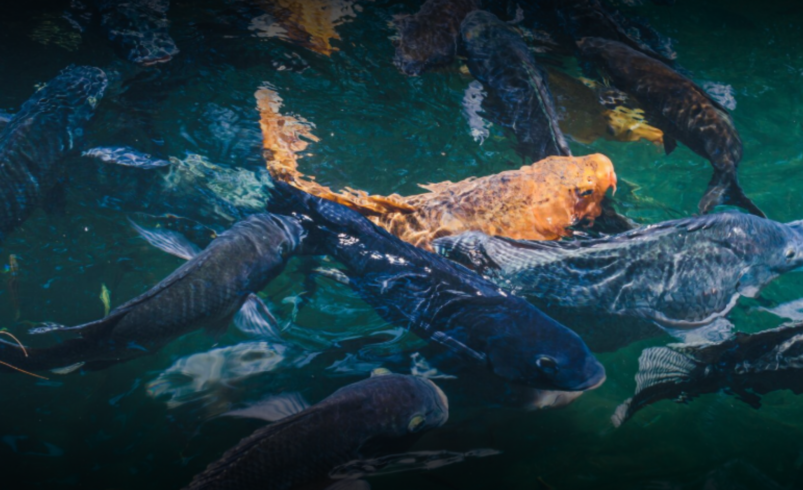

Aquaculture & Fisheries Equipment
The global aquaculture sector has emerged as one of the fastest-evolving industries in food production, merging traditional farming practices with cutting-edge automation, sensor technology, and environmental monitoring systems. Aquaculture & Fisheries Equipment represents the backbone of modern fish and shrimp farming operations, enabling producers to scale sustainably while maintaining biosecurity and environmental responsibility. The industry feeds over 3.3 billion people globally and produces more protein than wild-capture fisheries. Yet traditional methods remain labor-intensive, prone to disease outbreaks, and vulnerable to environmental degradation. Modern equipment is fundamentally changing this narrative by introducing precision, sustainability, and profitability into fish farming operations worldwide.
The Evolution of Aquaculture Systems
Traditional aquaculture relied on manual monitoring and reactive problem-solving. Workers observed fish behavior, tested water parameters periodically, and responded to crises after they emerged. This approach created substantial inefficiencies: disease spread rapidly through overcrowded tanks, water quality deteriorated uncontrolled, and feed waste accumulated dangerously.
Contemporary aquaculture equipment transforms these operations through real-time monitoring, automated feeding systems, and predictive analytics. According to Aquaculture Magazine, facilities equipped with smart monitoring systems report 25-35% improvement in feed conversion ratios, 40% reduction in disease incidents, and 20% increase in overall productivity compared to conventional operations.
Specialized Hatchery Equipment Systems
Fisheries equipment plays a critical role in shrimp hatchery operations by supporting controlled spawning, larval rearing, and biosecure handling through broodstock tanks, aeration units, filtration setups, and water quality monitoring tools. Grading, counting, and packing equipment further ensure healthy, uniform post-larvae are prepared efficiently for safe transport to farms while maintaining hygiene and operational consistency.
Equipment Type | Traditional Method | Smart Equipment Capability | Performance Improvement |
Feed Distribution | Manual, timed schedules | AI-optimized, demand-based | 30% waste reduction |
Water Quality | Weekly testing | Continuous real-time monitoring | 99.2% parameter accuracy |
Disease Detection | Visual observation | Bioacoustic & behavioral analysis | 85% early detection rate |
Oxygen Management | Manual aeration | Automated dissolved oxygen control | 40% energy savings |
Waste Removal | Daily cleaning | Robotic sediment collection | 60% labor reduction |
IoT Sensors and Data Analytics
Modern aquaculture heavily relies on Internet of Things (IoT) sensors deployed throughout facilities, collecting data on temperature, pH, dissolved oxygen, ammonia levels, and fish behavior patterns. Machine learning algorithms analyze this data, predicting disease outbreaks before symptoms appear, optimizing feeding schedules based on real-time appetite signals, and alerting operators to water quality fluctuations instantly.
IEEE Spectrum documents how predictive maintenance systems prevent equipment failures that could catastrophically impact entire fish populations. Early warning systems save millions in potential losses while protecting environmental integrity of surrounding ecosystems.
Sustainable Gear Innovation
Modern fisheries equipment emphasizes environmental responsibility. Selective harvesting nets reduce bycatch significantly. Biodegradable fishing gear eliminates ghost net pollution. Recirculating aquaculture systems (RAS) minimize water usage by 99%, treating and reusing water rather than discharging into natural waterways.
Pepagora demonstrates how digital marketplaces connect aquaculture operators with equipment suppliers, enabling transparent pricing, equipment comparisons, and access to latest technological innovations. According to FAO Aquaculture Newsletter, such platforms accelerate technology adoption among small-scale farmers in developing nations.
Economic and Social Impact
Aquaculture equipment innovation creates employment across manufacturing, installation, maintenance, and technical support sectors. Developing nations increasingly establish equipment manufacturing hubs, creating skilled jobs while reducing import dependence. Women constitute 40% of aquaculture workforce globally, with equipment modernization creating safer, less physically demanding roles.
Meeting Global Protein Demand
As wild fish populations decline and the global population approaches 10 billion by 2050, aquaculture must triple production. Smart equipment enables this scaling sustainably producing more protein per unit of water, feed, and environmental impact than traditional methods allow.
FAQs
Smart equipment integrates IoT sensors, real-time monitoring systems, and AI analytics to optimize feeding, detect diseases early, maintain water quality automatically, and reduce operational waste across fish farming facilities.
Initial investment ranges from $50,000-$500,000 depending on facility size and technology sophistication. However, productivity improvements and waste reduction typically recover costs within 2-3 years.
Yes, modular systems and affordable sensor packages now enable small-scale adoption. Digital marketplaces and equipment leasing models make technology accessible to farmers with limited capital.
Automated systems minimize water discharge, reduce feed waste, prevent disease-driven chemical use, and enable sustainable recirculating systems that operate independently from natural waterways.
Digital marketplaces connect farmers with suppliers, enable equipment comparisons, provide technical support, and facilitate knowledge sharing about best practices and emerging technologies.

With deep expertise in broodstock management, larval rearing, and hatchery process optimization, he has contributed to strengthening production quality and operational reliability within the aquaculture value chain.
His insights focus on sustainable aquaculture practices, biosecurity standards, and scalable hatchery systems that support long-term growth in the seafood and export ecosystem.