
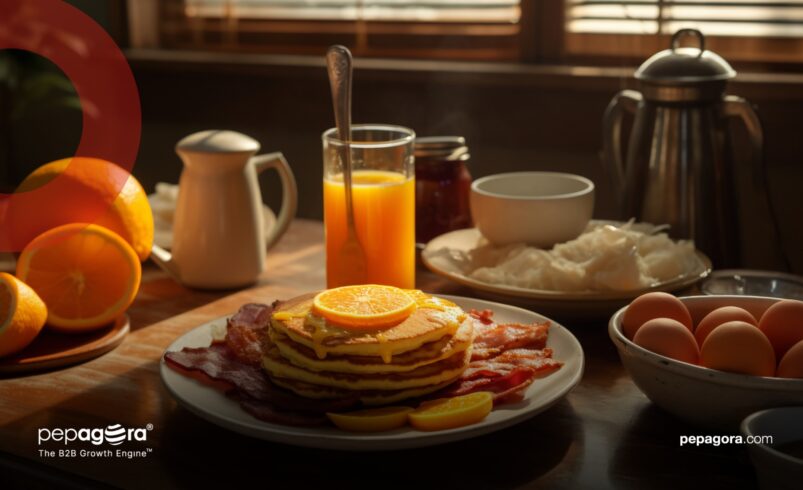

Breakfast is often cited as the most important meal of the day, but from a B2B perspective, it is also one of the most important economic drivers in the global food and beverage industry.
After a good night’s sleep, the human body needs fuel to replenish energy reserves. For businesses, this biological need translates into a massive market opportunity.
A good breakfast helps to replenish the energy providing essential nutrients for both physical and mental performance throughout the day. A proper intake also helps in controlling blood sugar levels. But beyond personal health, the “business of breakfast” is thriving.
Retailers, wholesalers, and corporate buyers are witnessing a surge in demand for high-quality, nutritious, and convenient breakfast options. As a business owner or procurement manager, understanding the Essence of Breakfast is no longer just about nutrition it is about supply chain efficiency, market trends, and meeting the evolving demands of the modern consumer.
The Economics of the Morning Meal
The global breakfast food market is witnessing unprecedented growth. According to recent market analysis, the industry was valued at approximately USD 501 Billion in 2024 and is expected to nearly double by 2035.
This growth is not accidental. It is driven by a rising middle class, urbanization, and a collective shift towards health and wellness.
For B2B buyers, this indicates a stable and lucrative trajectory. Sourcing products in this sector ranging from traditional cereals and dairy to innovative plant-based alternatives is a strategic move.
Retailers need to stock shelves with products that cater to diverse dietary needs, including gluten-free, keto-friendly, and high-protein options.
Health: The New Currency of Productivity
Why is breakfast so critical for the corporate world? The answer lies in employee productivity.
Government health bodies, such as the CDC (Centers for Disease Control and Prevention), emphasize that a healthy breakfast is linked to better memory, alertness, and concentration.
For corporate caterers and HR managers, providing quality breakfast options in the office is an investment in human capital. Studies suggest that skipping breakfast can lead to a drop in productivity by affecting cognitive speed.
When businesses source quality food products for their cafeterias or pantries, they are directly influencing their workforce’s output.
Mental Performance: Glucose is the brain’s primary fuel source. A morning meal restores glucose levels, essential for focus.
Physical Stamina: For labor-intensive industries, a high-protein breakfast ensures workers have the stamina to maintain safety and efficiency standards.
Sourcing Trends: What Retailers Need to Know
The modern consumer is smart, and their breakfast habits are changing. They are no longer satisfied with just sugary cereals.
They want transparency, sustainability, and health benefits. This shift dictates what B2B buyers must source.
1. The Rise of “On-the-Go” Breakfasts Urbanization means people have less time. There is a high demand for ready-to-eat (RTE) meals, breakfast bars, and liquid breakfasts (smoothies/shakes). Retailers must partner with suppliers who offer innovative packaging that supports this mobile lifestyle.
2. Plant-Based and Organic Revolution Sustainability is a major buzzword. Consumers are actively seeking plant-based alternatives to bacon, sausages, and dairy milk. Sourcing organic grains and oat milk is becoming standard practice for successful grocery chains.
3. Functional Foods Foods that offer benefits beyond basic nutrition such as probiotics in yogurt for gut health or Omega-3 enriched eggs are seeing a spike in B2B orders. Buyers should look for suppliers who can provide these value-added products.
The Role of Digital Marketplaces
In the past, sourcing these diverse products required attending trade shows or cold-calling suppliers. Today, digital transformation has streamlined this process.
Platforms like Pepagora connect buyers directly with verified manufacturers and distributors globally.
By using a centralized B2B marketplace, buyers can compare prices, check certifications (like Organic or Halal), and arrange logistics without leaving their office. This efficiency is crucial for maintaining fresh inventory in the fast-moving food sector.
If you are a supplier looking to expand your reach, or a buyer looking for the next big breakfast trend, you need a reliable platform.
You can start your journey by visiting the Food & Agriculture Category to explore thousands of verified products.
Supply Chain Resilience
The breakfast sector, like many others, faces challenges such as climate change affecting crop yields (e.g., coffee and wheat). Diversifying your supply chain is the best defense.
Instead of relying on a single region for your coffee or grain supply, use global marketplaces to find alternative suppliers in different geographies. This ensures that your retail shelves remain stocked even when one region faces a harvest shortage.
To access these global suppliers and secure your supply chain, it is essential to have a registered account. You can easily Authenticate your business profile on Pepagora to start negotiating deals and viewing exclusive B2B pricing.
Fueling the Future
The “Essence of Breakfast” goes beyond the plate. It is a complex ecosystem of farmers, manufacturers, logistics providers, and retailers working together to fuel the world.
For the B2B industry, it represents a sector of innovation and growth.
Whether you are a small retailer or a large distributor, aligning your inventory with health trends and utilizing digital sourcing tools will define your success in the coming decade.
Do you have your breakfast daily? More importantly, is your business ready to serve those who do?
Global Breakfast Market Sourcing Guide
Optimize your inventory by understanding key product categories, target audiences, and essential sourcing considerations for the booming breakfast sector.
| Product Category | Target Audience | Key Sourcing Considerations |
|---|---|---|
| Cereals & Grains | Families, Budget Shoppers | Look for bulk options, whole-grain certifications, and low-sugar varieties. |
| Ready-to-Eat (RTE) | Professionals, Students | Prioritize shelf-stable packaging, single-serving sizes, and “clean label” ingredients. |
| Dairy & Alternatives | Health Conscious, Vegans | Source both traditional dairy and fortified plant-based milks (oat, almond, soy). |
| Bakery Items | Cafes, Hotels, Retail | Focus on frozen-to-fresh options to reduce waste; look for gluten-free certifications. |
| Functional Foods | Fitness Enthusiasts | Seek items enriched with protein, probiotics, or vitamins (e.g., protein bars, yogurts). |
Market Insight: Data from the CDC and major market analysts suggest that the breakfast food sector is a key driver for retail growth. By sourcing high-quality, nutritious products through Pepagora, you position your business to capture the early-morning demand from health-conscious global consumers.
Breakfast Market FAQ
B2B Sourcing Insights for the Food Industry
Expert answers on sourcing global breakfast commodities, verifying suppliers, and managing food supply chains on Pepagora.
01. Why is the B2B breakfast market seeing a surge in 2026?
Growth is driven by a global shift toward health-conscious eating and the rise of “on-the-go” lifestyles. Businesses are increasingly sourcing functional foods and plant-based proteins to meet modern consumer demands.
02. How can I verify the quality of food suppliers on Pepagora?
Look for the “Verified” badge on supplier profiles. This indicates the business has undergone vetting. You can also request food safety certifications (like ISO or HACCP) directly through the platform.
03. What are the most profitable breakfast items for retailers?
Ready-to-eat (RTE) cereals, organic grains, and functional dairy alternatives currently offer the highest margins due to high consumer demand and shelf stability.
04. How do I manage logistics for perishable breakfast goods?
When sourcing dairy or fresh produce, ensure you negotiate cold-chain logistics with the supplier. Pepagora allows you to discuss shipping terms and tracking requirements before finalizing orders.
05. Are there bulk discounts for large food and agriculture orders?
Yes. Most B2B suppliers on our platform offer tiered pricing. Purchasing in larger quantities (e.g., 1000+ units) typically yields a 15-20% discount compared to standard wholesale rates.
06. What is the impact of breakfast on corporate productivity?
Studies show that a balanced breakfast improves cognitive speed and focus. This makes breakfast catering a top priority for HR managers looking to boost employee performance.
07. Can I source gluten-free and vegan breakfast items?
Absolutely. You can filter the Food & Agriculture category on Pepagora to find specialized manufacturers focusing on dietary-restricted and plant-based products.
08. How does digital procurement help my food business?
It reduces sourcing time, provides access to global manufacturers, and allows for easier price comparisons, ensuring your supply chain remains resilient and cost-effective.
09. What safety standards should I look for in grains and pulses?
Prioritize suppliers with GMP (Good Manufacturing Practices) and GHP (Good Hygiene Practices) certifications to ensure the highest safety standards for your customers.
10. How do I start selling my breakfast products on Pepagora?
Register your business on the Authentication page, set up your digital storefront, and upload your product catalog to the Food & Agriculture category to reach global buyers.
Industry Expert
PEPAGORA COMMUNITY WRITER