
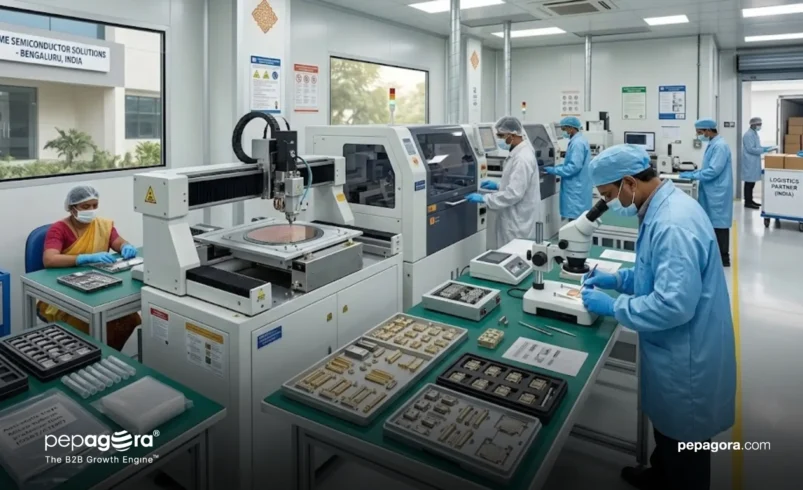

India’s semiconductor industry is moving from policy ambition to actual manufacturing. The country has approved multiple semiconductor projects across fabrication, packaging, testing and compound semiconductors, while the government is now expanding its focus to equipment, materials, design and research.
For MSMEs, this does not mean they need to build a semiconductor fab to participate. The larger opportunity lies in becoming suppliers to the expanding ecosystem around these facilities.
India Semiconductor Mission 2.0 specifically focuses on building capabilities across chip design, semiconductor equipment and materials, fabrication, advanced packaging, R&D and talent.
Why the Semiconductor Supply Chain Matters for MSMEs
Semiconductor manufacturing requires a much wider network than the chip-making facility itself. Fabs and packaging units depend on specialised equipment, materials, components, testing solutions, industrial services, logistics and engineering support.
This creates opportunities for smaller manufacturers that can meet demanding technical and quality requirements.
India has already approved 12 semiconductor projects across six states, with investments exceeding ₹1.64 lakh crore. Three facilities have also commenced commercial production, indicating that the ecosystem is gradually moving into operational stages.
Where MSMEs Can Find Opportunities
1. Semiconductor Equipment and Components
MSMEs with capabilities in precision engineering, fabrication, machining or industrial equipment can explore supplying specialised parts and equipment to semiconductor facilities.
This can include precision components, tooling, equipment sub-systems and other manufacturing inputs required by plants and their suppliers.
The government’s current semiconductor strategy specifically includes domestic production of semiconductor equipment and materials.
2. Packaging and Testing
Semiconductor packaging and testing are important parts of the supply chain, and India is developing several ATMP and OSAT facilities.
MSMEs can potentially participate by supplying packaging materials, specialised components, testing equipment, fixtures, consumables and engineering services.
The ecosystem also requires capabilities related to die attach, wire bonding, encapsulation, testing and other packaging processes.
3. Materials and Specialty Inputs
Semiconductor manufacturing depends on highly specialised materials and industrial inputs.
This creates potential opportunities for manufacturers working with chemicals, substrates, specialty materials, gases, films, adhesives and other production inputs, subject to the required technical and safety standards.
ISM 2.0’s emphasis on equipment and materials is designed to strengthen these parts of the domestic supply chain.
4. Chip Design and Electronics
The opportunity is not limited to physical manufacturing. MSMEs and startups with electronics and engineering capabilities can also explore semiconductor design.
India’s Design Linked Incentive framework supports semiconductor design companies and startups, while the broader programme is expanding the country’s chip-design ecosystem.
What MSMEs Need to Prepare
Becoming a semiconductor supplier requires a higher level of manufacturing discipline than many conventional industries.
MSMEs should focus on:
- Precision: Improve machining, production and measurement capabilities.
- Quality systems: Build consistent inspection and process-control systems.
- Certifications: Understand the quality, safety and technical standards required by target customers.
- Traceability: Maintain detailed records of materials, batches and production processes.
- Skilled talent: Develop expertise in electronics, engineering, testing and quality management.
- Reliability: Demonstrate the ability to deliver consistent quality and volumes on schedule.
For many businesses, entering the semiconductor ecosystem may therefore be a gradual process rather than a single large investment.
Start by Becoming a Supplier to the Ecosystem
An MSME does not necessarily need to work directly with a chip manufacturer from day one.
A practical approach can be to first supply established electronics manufacturers, equipment companies, packaging firms or Tier-1 suppliers. Building a track record in quality, delivery and technical performance can make it easier to move into more demanding semiconductor-related applications.
Industry clusters and partnerships can also help smaller manufacturers access shared infrastructure, technical expertise and potential customers.
The Opportunity Goes Beyond Chips
India’s semiconductor ambitions are creating demand across an entire industrial ecosystem.
As new fabs, packaging facilities and design companies develop, they will require thousands of supporting businesses.
For MSMEs, the opportunity is to identify where their existing manufacturing capabilities fit into this ecosystem and then upgrade those capabilities accordingly.
Conclusion
India’s semiconductor growth is creating opportunities far beyond chip fabrication. Precision manufacturing, packaging, testing, equipment, materials, design and specialised engineering services can all become entry points for MSMEs.
Businesses that invest in quality, precision, technical skills and reliable production systems can gradually position themselves as suppliers within India’s emerging semiconductor supply chain. The goal is not necessarily to manufacture the chip itself, but to become an important part of everything that makes semiconductor manufacturing possible.
Frequently Asked Questions
MSMEs can participate by supplying equipment, components, packaging materials, testing solutions, specialised materials and engineering services to semiconductor companies and their suppliers.
No. MSMEs can become suppliers to fabs, packaging firms, electronics manufacturers, equipment companies and Tier-1 suppliers without manufacturing the semiconductor chip themselves.
MSMEs should focus on precision manufacturing, quality systems, certifications, traceability, skilled talent and reliable production systems to meet the requirements of semiconductor-related customers.

About Author
Harsha Varthan
Harsha is a highly respected B2B marketing expert who passionately helps sellers and buyers connect, grow their businesses online, and build strong global visibility. His expertise spans SEO, content marketing, lead generation, marketplace strategy, public relations, and result-driven digital growth planning, making him a trusted voice in the industry.