
Aquaculture has emerged as one of the fastest-growing sectors in global food production. With rising demand for fish and seafood driven by population growth, urbanization, and changing dietary preferences, modern aquaculture systems are essential for ensuring consistent supply and long-term food security.
According to the Press Information Bureau (Ministry of Fisheries, Animal Husbandry and Dairying), India’s fish production reached 197.75 lakh tonnes in FY 2024–25, supporting livelihoods for nearly 3 crore fishers and contributing around 7.4% of Agricultural GVA.
India’s Expanding Role in Modern Aquaculture
India stands among the leading producers of aquaculture products, supported by diverse climatic conditions and abundant water resources. From traditional pond farming to advanced recirculating systems, Indian producers are increasingly adopting smart aquaculture technologies to improve productivity, efficiency, and scalability.
As global demand rises, international buyers actively seek reliable aquaculture system suppliers and fish exporters capable of delivering consistent quality at scale.
Key Aquaculture Systems Driving Scalable Production
Pond Culture
Pond culture remains one of the most widely used aquaculture methods, particularly in rural and semi-urban regions.
- Low initial investment and operational costs
- Suitable for small to medium-scale production
- Relies on natural ecosystems for growth
While cost-effective, scalability is limited compared to more intensive systems.
Cage Farming
Cage farming enables high-density fish production in natural water bodies such as lakes, reservoirs, and coastal areas.
- Ideal for commercial-scale operations
- Efficient use of existing water resources
- Flexible expansion based on demand
This system is widely adopted by producers targeting export markets due to its scalability and productivity.
Recirculating Aquaculture Systems (RAS)
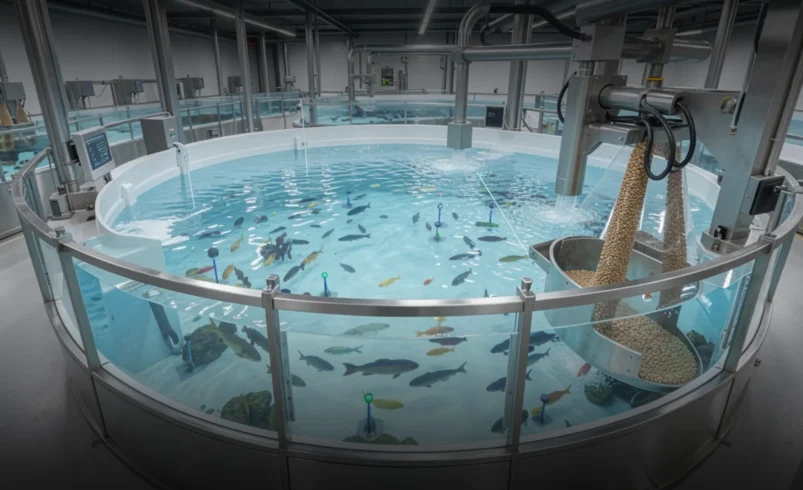
RAS represents one of the most advanced and scalable aquaculture solutions available today.
- Continuous water filtration and reuse
- High-density production in controlled environments
- Reduced dependency on natural water sources
- Suitable for urban and industrial setups
By integrating automation, monitoring systems, and water treatment technologies, RAS enables year-round production with minimal environmental impact.
How Modern Systems Enable Scalable Fish Production
Modern aquaculture systems are specifically designed to support scalability through:
- High-density stocking to maximize output per unit area
- Efficient resource utilization, especially water and feed
- Controlled environments for consistent growth cycles
- Automation and monitoring technologies to reduce labor and improve precision
Producers adopting advanced systems can significantly increase production capacity while maintaining quality and sustainability.
Growing Global Demand for Aquaculture Products
The demand for fish and seafood continues to rise globally due to:
- Increasing population and protein consumption
- Expansion of food processing industries
- Rising preference for healthy, protein-rich diets
- Growing demand for sustainable and organic seafood
This trend creates strong opportunities for suppliers capable of delivering large volumes with consistent quality.
Importance of Quality Standards and Certifications
To access international markets, aquaculture producers must comply with strict quality and safety standards, including:
- Food safety certifications
- Water quality management
- Hygiene and biosecurity protocols
- Traceability and export documentation
Suppliers that maintain high standards gain credibility and long-term partnerships with global buyers.
Digital B2B Platforms Transforming Aquaculture Trade
Traditional sourcing methods are rapidly being replaced by digital platforms. Today, buyers search online for aquaculture system suppliers, exporters, and bulk seafood providers through a global B2B marketplace that connects businesses across international markets.
Digital B2B platforms enable businesses to:
- Discover verified suppliers
- Explore product catalogs and solutions
- Connect directly with manufacturers and exporters
For producers, maintaining a strong digital presence is essential to attract international buyers and generate consistent inquiries.
Key Challenges in Scaling Aquaculture Operations
Despite strong growth potential, businesses face several operational challenges:
- Cold Chain Logistics: Maintaining freshness during storage and transportation
- Price Volatility: Fluctuations due to seasonal and global market factors
- Export Regulations: Compliance with international trade standards
- Environmental Sustainability: Balancing productivity with ecological impact
Businesses that effectively address these challenges are better positioned for long-term success.
Practical Strategies for Aquaculture Businesses
To scale efficiently and remain competitive:
- Maintain consistent product quality
- Invest in advanced systems like RAS
- Diversify species and product offerings
- Strengthen digital visibility to reach global buyers
Future Outlook
The aquaculture sector is set for continued expansion, driven by:
- Rising demand for sustainable seafood
- Growth in processed and packaged fish products
- Expansion of global aquaculture trade
- Increased adoption of smart farming technologies
With strong production capabilities and growing adoption of advanced systems, India is well-positioned to become a global leader in scalable aquaculture production.
FAQs
The most scalable aquaculture systems include Recirculating Aquaculture Systems (RAS), cage farming, and intensive pond culture. Among these, RAS offers the highest level of control, enabling high-density production, efficient resource utilization, and year-round output.
Modern aquaculture systems use automation, water filtration, and monitoring technologies to optimize feeding, water quality, and fish health. This results in faster growth rates, reduced resource wastage, and consistent production cycles.
Scalability allows aquaculture businesses to increase production capacity without significantly increasing operational costs. It helps meet growing global demand, improve profitability, and ensure long-term sustainability in competitive markets.
Exporting aquaculture products typically requires compliance with food safety standards, water quality regulations, hygiene protocols, and traceability systems. Certifications such as HACCP and other international quality standards are often essential for accessing global markets.
Businesses can explore verified suppliers, compare product offerings, and connect directly with manufacturers through Pepagora. The platform helps buyers discover aquaculture system providers and seafood exporters, making global sourcing more efficient and transparent.

Ketani focuses on promoting aquaculture and agribusiness development across Africa through practical and scalable approaches. With a strong focus on sustainability and implementation, he aims to support readers in understanding modern aquaculture trends, technologies, and solutions through well-structured and informative content.
