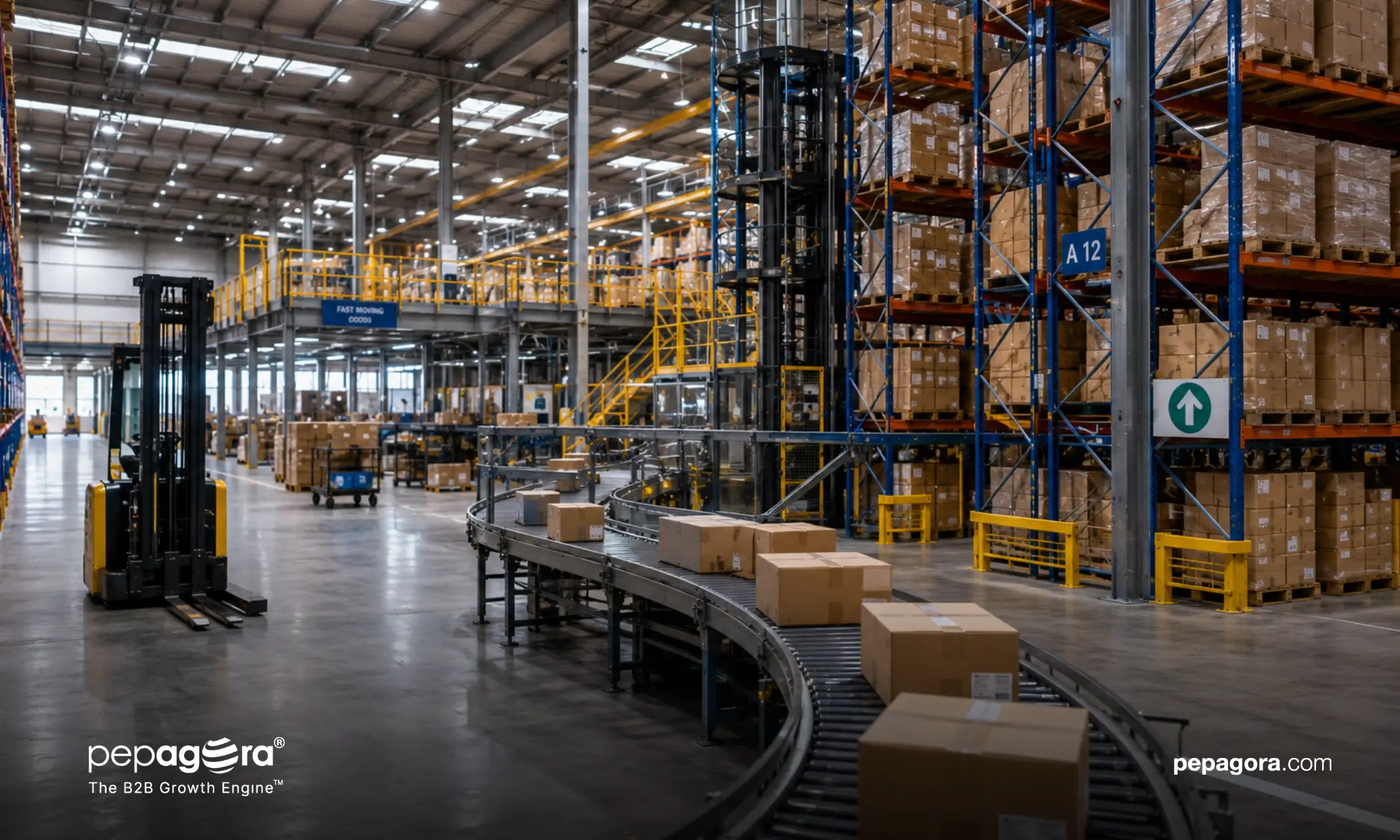

Walk through any modern warehouse and the moving is already automated: conveyors, sorters, shuttles, storage. What remains manual is the handling. Someone still picks up the parcel that is soft, oddly shaped, or badly labelled, judges how firmly to hold it, and decides what to do when it is not what the system expected. That person is the last automated link in an otherwise continuous line, and every exception on the floor lands on their hands. Manufacturers exploring automation equipment and robotics can look beyond basic movement toward more advanced handling solutions.
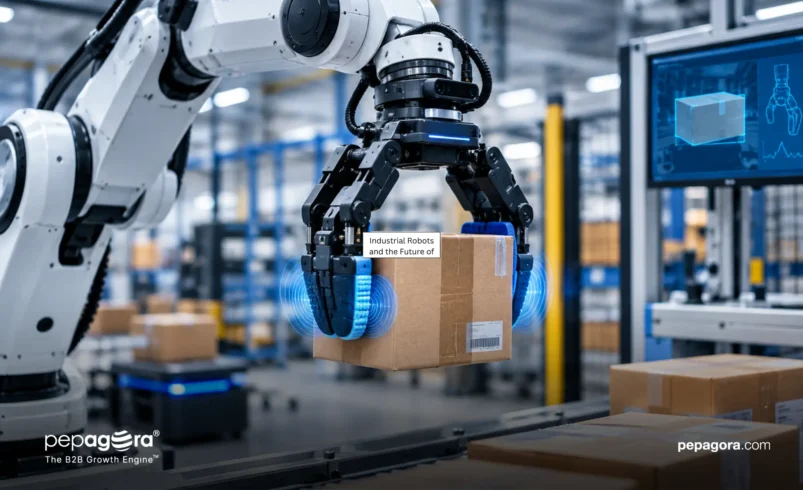
The reason this is still manual is not vision or compute. It is touch. A camera cannot see force. A robot that cannot feel what it is holding will crush it or drop it, and no amount of better cameras fixes that. The gating capability for the next wave of industrial automation is contact sensing on the hand itself, and the learning systems that turn human handling skill into robot skill.
This is also where India has an opening. Locomotion is dominated by scale manufacturing abroad. Manipulation intelligence is not yet settled by anyone, and it rewards engineering depth over factory size. If the companies solving hand will define what a working robot means, several of them should be Indian.
From Movement to Intelligent Handling
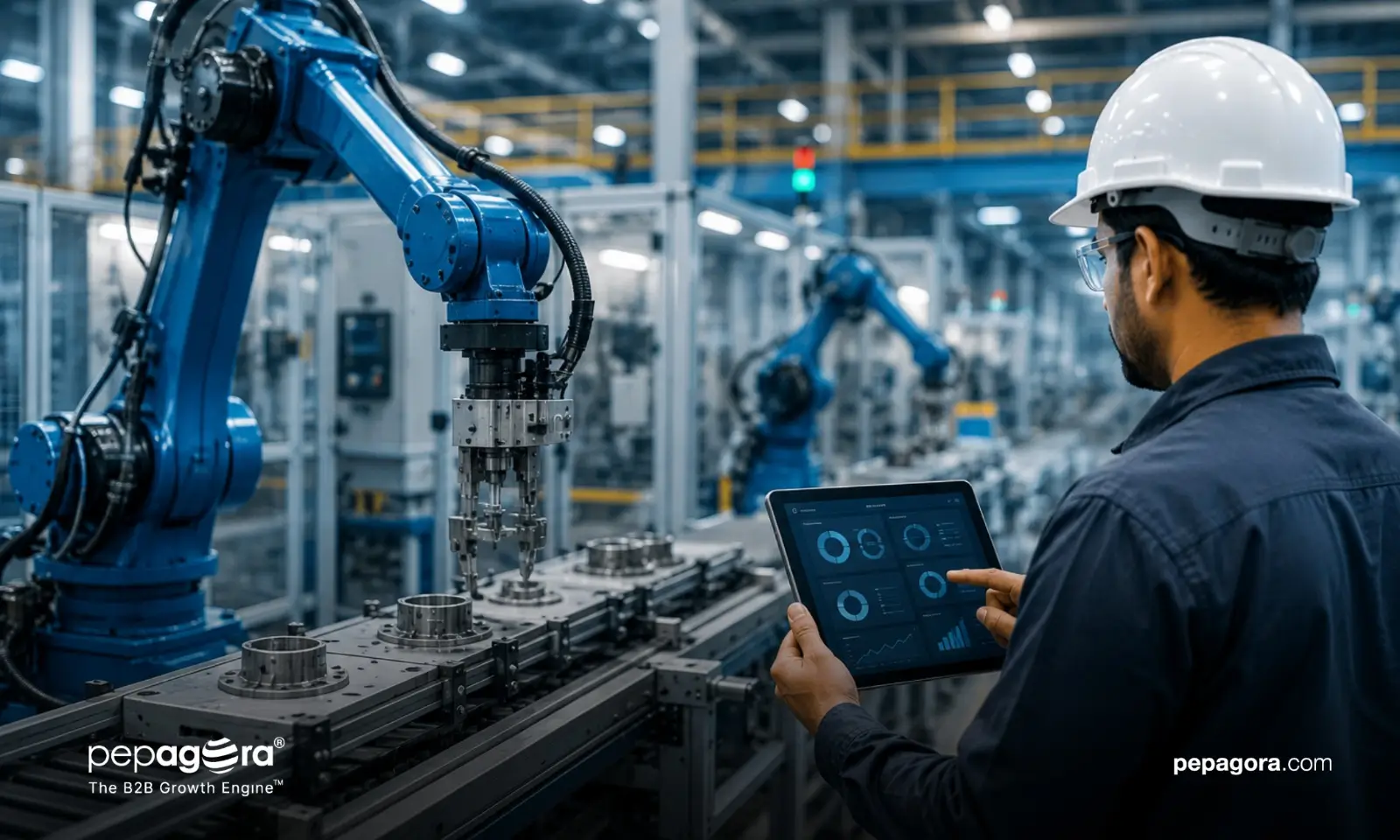
Industrial robotics has already automated many repetitive movement tasks. The next challenge is handling objects that vary in shape, weight, texture and flexibility. This requires robots to combine movement with sensing and adaptive control.
Area | Traditional Automation | Emerging Capability |
Movement | Programmed motion | Adaptive movement |
Vision | Object detection | Vision with tactile sensing |
Gripping | Fixed grip | Dynamic grip adjustment |
Handling | Structured products | Irregular products |
Learning | Programmed tasks | AI-assisted adaptation |
Tactile sensing can provide robots with information about physical contact, while force sensing can help determine how an object is being handled. Research from NIST on robotic grasping and manipulation covers areas including tactile sensing, grasping and robotic manipulation.
Why Advanced Robotics Matters
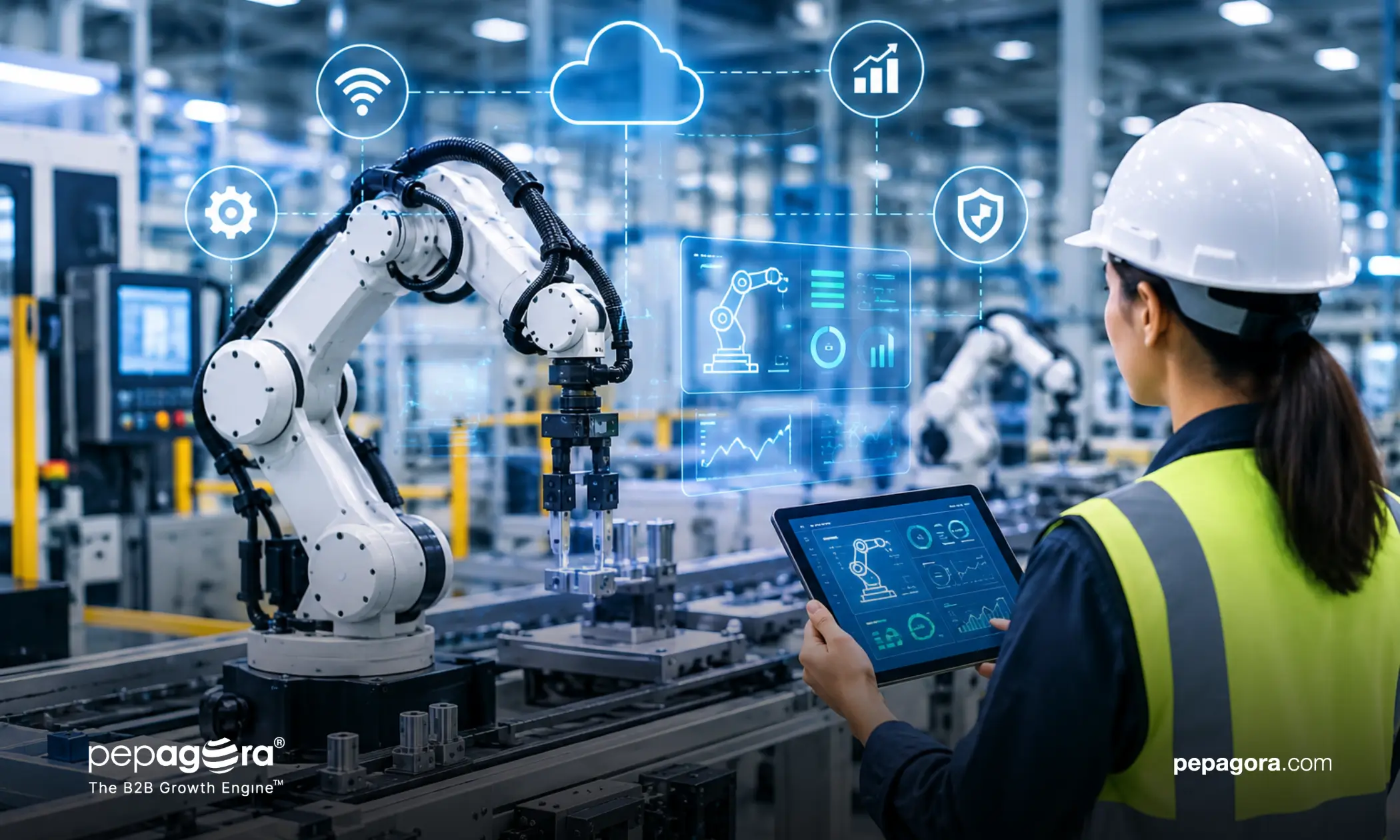
The next generation of industrial automation will increasingly combine robotics, sensors, software and AI. The International Federation of Robotics discusses AI, sensing and connected robotics as important developments in industrial automation. International Federation of Robotics
For manufacturers, choosing automation equipment should begin with the application. Payload, reach, accuracy, cycle time, tooling, sensing, integration, safety and maintenance requirements all need to be considered.
FAQs
Handling requires robots to respond to an object's shape, weight, surface and physical contact rather than simply follow a programmed path.
Tactile sensing helps a robot detect physical interaction such as contact and pressure.
AI can support robots in processing sensor information and adapting their actions to changing conditions.
Manufacturers should evaluate payload, reach, accuracy, cycle time, tooling, sensing, integration, safety and maintenance.