
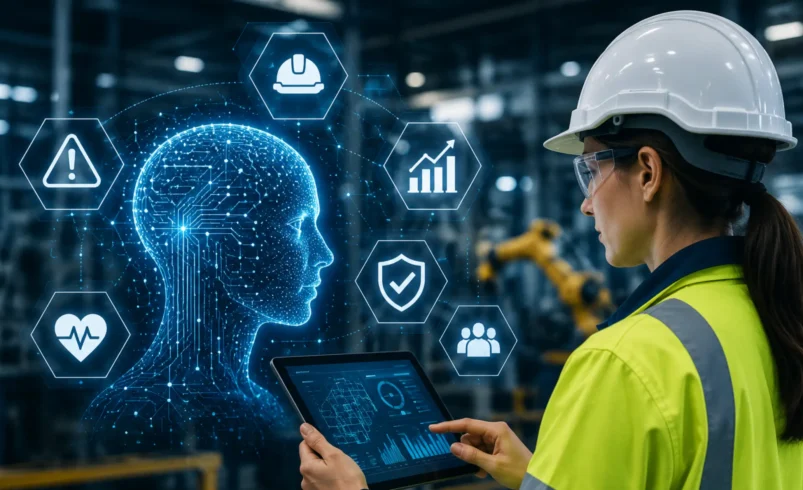

Artificial Intelligence (AI) is rapidly transforming occupational health and safety (OHS) across industries. As workplaces become more complex and data-driven, organizations are using AI to improve safety performance, reduce incidents, and strengthen compliance. By enabling predictive risk assessment and real-time monitoring, AI helps identify hazards before they lead to injuries or operational disruptions. However, effective workplace safety also depends on access to quality safety tools and protective equipment that help create safer working environments.
Artificial Intelligence (AI) is rapidly reshaping the way organizations manage occupational health and safety. In today’s dynamic work environments, AI enables proactive risk identification, predictive analytics, and real-time monitoring of workplace hazards. Smart systems can analyze vast amounts of data to detect unsafe conditions before incidents occur, helping organizations move from reactive to preventive safety management. AI-powered tools also enhance inspections, incident investigations, training effectiveness, and regulatory compliance. Wearable technologies and computer vision systems can monitor worker health, fatigue, and unsafe behaviors, significantly reducing accident potential. By automating routine tasks, AI allows safety professionals to focus on strategic risk management and workforce engagement. As industries embrace digital transformation, integrating AI into health and safety practices is no longer a luxury but a necessity. Organizations that leverage AI effectively will create safer, healthier, and more resilient workplaces for the future.
The Growing Role of AI in Workplace Safety
Modern workplaces generate enormous amounts of data from machinery, sensors, inspections, and employee activities. AI systems can process this information much faster than traditional methods, uncovering patterns and risks that may otherwise go unnoticed.
Key benefits of AI in occupational health and safety include:
- Early hazard detection
- Predictive risk assessment
- Automated safety inspections
- Enhanced incident investigations
- Improved regulatory compliance
- Real-time worker monitoring
- Data-driven decision-making
These capabilities help organizations create safer work environments while improving operational efficiency.
Key AI Applications in Occupational Health and Safety
AI Technology | Application | Safety Benefit |
Computer Vision | Monitoring unsafe behaviors | Prevents accidents and violations |
Predictive Analytics | Risk forecasting | Identifies potential incidents before they occur |
Wearable Devices | Worker health and fatigue monitoring | Reduces fatigue-related injuries |
Smart Sensors | Environmental monitoring | Detects hazardous conditions in real time |
AI Chatbots | Safety training and reporting | Improves employee engagement |
Machine Learning | Incident analysis | Identifies root causes and trends |
These technologies enable organizations to shift from reactive responses to proactive prevention strategies.
Predictive Analytics and Risk Prevention
One of the most valuable contributions of AI is predictive analytics. By analyzing historical incident records, maintenance logs, environmental conditions, and operational data, AI can identify patterns associated with workplace risks.
Organizations can use predictive models to:
- Anticipate equipment failures
- Detect high-risk work areas
- Identify unsafe operational trends
- Improve preventive maintenance schedules
- Allocate safety resources more effectively
This proactive approach reduces downtime, lowers accident rates, and improves overall workplace resilience.
Wearable Technology and Real-Time Monitoring
Wearable devices equipped with AI capabilities are becoming increasingly common in industries such as construction, manufacturing, mining, and logistics.
These devices can monitor:
- Worker fatigue levels
- Heart rate and vital signs
- Exposure to hazardous environments
- Body posture and movement patterns
- Location tracking in high-risk zones
Real-time alerts allow supervisors and workers to respond immediately to potential dangers, reducing the likelihood of serious incidents.
AI-Powered Safety Inspections
Routine inspections are essential for maintaining workplace safety, but manual inspections can be time-consuming and prone to oversight.
AI-powered inspection systems help by:
- Automating visual inspections
- Detecting equipment abnormalities
- Identifying safety violations
- Generating compliance reports
- Tracking corrective actions
Computer vision systems can analyze images and video feeds to identify hazards such as missing personal protective equipment (PPE), blocked emergency exits, or unsafe machine operation.
While AI strengthens workplace safety, organizations should also focus on essential protective measures and equipment. Businesses looking to improve industrial safety practices can explore Essential Safety Tools and Protective Equipment for Industry to understand the critical role of personal protective equipment and workplace safety tools.
Enhancing Regulatory Compliance
Compliance with occupational health and safety regulations remains a major challenge for many organizations. AI simplifies compliance management by continuously monitoring workplace conditions and generating accurate documentation. Many organizations also follow ISO 45001 Standards for Occupational Health and Safety Management to strengthen compliance and improve workplace safety.
Benefits include:
- Automated compliance tracking
- Real-time reporting
- Audit readiness
- Faster corrective action management
- Improved documentation accuracy
This helps organizations reduce regulatory risks while maintaining higher safety standards.
Challenges in AI Adoption
Despite its benefits, AI implementation comes with challenges such as high investment costs, data privacy concerns, system integration issues, employee training requirements, and dependence on accurate data. Organizations must address these factors to maximize the effectiveness of AI-driven safety programs.
The Future of AI in Occupational Health and Safety
AI is expected to play an even greater role in workplace safety through advanced analytics, smart monitoring systems, and automated risk management tools. Emerging innovations such as fatigue prediction, AI-powered emergency response, and digital workplace simulations will help organizations build safer and more resilient work environments.
Final Takeaway
Artificial Intelligence is transforming occupational health and safety by helping organizations identify risks, improve compliance, and enhance workplace safety. As AI adoption continues to grow, businesses that embrace intelligent safety solutions will be better positioned to create safer, healthier, and more productive workplaces.
FAQs
AI helps organizations identify workplace risks early and improve safety performance.
Yes. AI-powered monitoring and predictive analytics help detect hazards before incidents occur.
Key benefits include risk prediction, automated inspections, compliance support, and improved worker safety.