

Sourcing Insights 2026
- Posture support matters: Chairs designed for spinal alignment reduce discomfort and improve focus.
• Arm support enhances performance: Hand supports prevent shoulder and wrist strain.
• Comfort drives engagement: Contoured, cushioned seats help students remain attentive longer.
• Age-appropriate sizing: Correct sizing ensures feet rest flat and knees stay at healthy angles.
• Durable, safe materials: Non-toxic finishes and strong frames withstand daily classroom use.
How Classroom Seating Shapes Learning
Students spend a large portion of their day seated. Sitting without proper support can lead to poor posture, muscular tension, and distractions. Ergonomic school chairs counter these issues by promoting comfort and alignment, helping students remain focused. Schools investing in Ergonomic Office Products can create classrooms that support both physical health and learning performance.
Why Ergonomic Chairs Matter for Posture and Focus
“Posture is not just about comfort; it influences energy, focus, and long-term wellbeing.”
Research shows that children spend about 65% of their school hours sitting, emphasizing the importance of seating that supports their body and cognitive function. Properly designed ergonomic chairs reduce slouching, prevent strain, and improve attention during lessons.
Key Features of Ergonomic School Chairs
Proper Posture Support
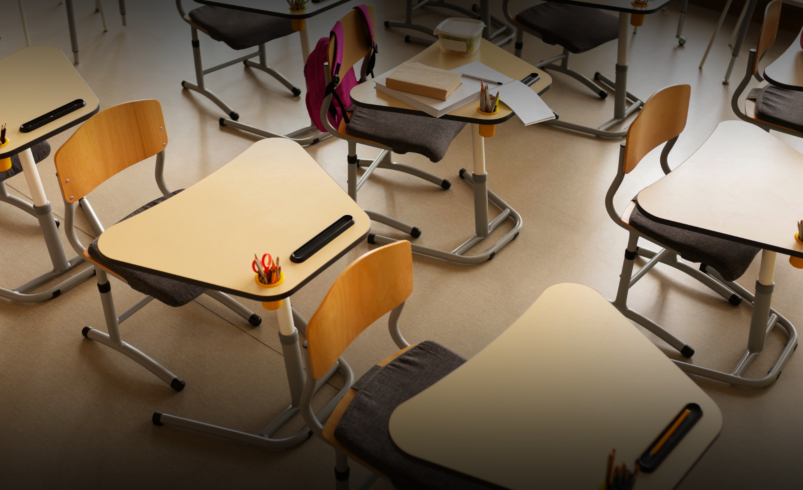
Contoured backrests guide students into an upright sitting position, supporting the natural spinal curve. This reduces lower back pressure and encourages sustained focus during class.
Integrated Hand or Arm Support
Hand supports allow students to rest arms while writing or using tablets. This reduces strain on shoulders and wrists, supporting comfortable long-term engagement with learning materials.
Comfortable Seat Design
Slightly contoured and cushioned seats distribute weight evenly, minimizing pressure points. This feature helps students stay seated comfortably for extended periods, improving attention and reducing fatigue.
Age-Appropriate Sizing
Chairs are available in multiple sizes for different age groups, ensuring proper foot placement and healthy knee angles. Schools can match furniture to student demographics for optimal posture support.
Durable and Safe Materials
Classroom chairs undergo heavy daily use, so ergonomic designs include non-toxic finishes, stable frames, and easy-to-clean surfaces to maintain safety and longevity.
Positioning Healthy Learning Spaces
Selecting the right seating transforms classrooms into spaces that support student health, comfort, and focus. Schools adopting ergonomic furniture, including Ergonomic Office Products, see improvements in engagement and reduced fatigue among students.
Forward-thinking institutions can explore solutions from Pepagora to source ergonomic school chairs that meet both safety and usability standards, ensuring learning spaces are equipped for modern education needs.
FAQs
They improve posture, reduce discomfort, and support focus, enhancing the overall classroom experience.
It reduces shoulder and wrist strain, allowing students to maintain comfortable, effective writing posture.
Yes, multiple sizing options ensure proper support for children from early learners to senior students.
Absolutely. Comfortable, supportive seating allows students to stay focused and engaged for longer periods.
Schools can explore verified ergonomic furniture options from Pepagora and other reputable providers of Ergonomic Office Products to ensure safety and quality.

Through her writing, she highlights practical strategies for improving office ergonomics, boosting productivity, and selecting the right tools and equipment for healthier work environments. Mishyali believes that optimized workspace design plays a vital role in enhancing performance, employee satisfaction, and overall organizational effectiveness.