
Sourcing Insights 2026
- Businesses demand flexible print volumes aligned with real demand
• Faster product cycles require shorter packaging lead times
• Customization is shifting from optional to expected
• Waste reduction is influencing supplier evaluation
• Printing partners are assessed on agility and process efficiency
The Role of Digital Packaging and Printing in Modern Business
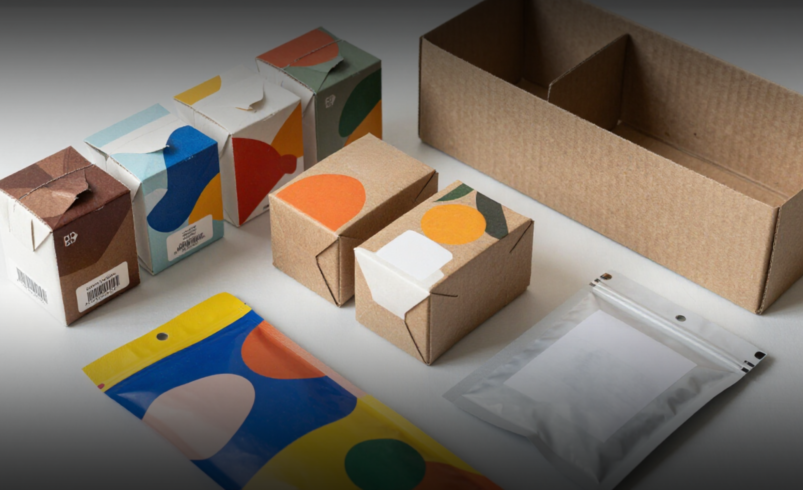
Modern businesses operate in markets where change is constant. Product updates, regional launches, and short sales cycles make rigid printing systems difficult to manage. Digital packaging and printing solutions allow companies to align packaging output directly with operational needs.
Instead of producing packaging in large, inflexible batches, businesses can print smaller quantities more frequently. This approach supports experimentation, faster launches, and better inventory control. Packaging becomes a responsive function rather than a long-term commitment.
Why Digital Printing Is Gaining Strategic Importance
Digital printing combines design, data, and production into a unified workflow. Variable data printing enables unique information on each unit, such as batch codes, QR links, or market-specific messaging. This capability supports traceability, compliance, and targeted communication without disrupting production.
“”Operational strength today comes from adaptability, not excess capacity.””
Suppliers demonstrating these capabilities often gain visibility during sourcing evaluations, including on platforms like Pepagora, where flexibility and responsiveness influence early supplier shortlisting.
Key Capabilities Driving Adoption
On-Demand Production
Digital printing removes the need for plates and long setup cycles. This makes short and medium runs viable and supports frequent design changes without cost escalation.
Data-Driven Customization
Packaging can carry individualized information within a single print run. This is increasingly valuable across ecommerce, retail, and regulated supply chains within packaging and printing ecosystems.
Precision and Waste Control
By producing only what is needed, digital printing helps businesses reduce excess inventory and unused materials, supporting cost efficiency and environmental responsibility.
Verified Industry Fact on Packaging Waste
According to official data published by Eurostat, 79.7 million tonnes of packaging waste were generated in the European Union in 2023. This data highlights the scale of packaging output and why businesses are under increasing pressure to adopt more precise and efficient printing and packaging practices.
“”Efficiency today is defined by control, not volume.””
Digital vs Traditional Printing Overview
Aspect | Digital Printing | Traditional Printing |
Setup time | Minimal | High |
Volume flexibility | High | Low |
Customization | Extensive | Limited |
Material waste | Lower | Higher |
Building Business Agility Through Digital Packaging
As markets evolve rapidly, packaging systems must keep pace. Digital packaging and printing solutions allow businesses to respond to demand changes, refresh designs quickly, and maintain consistency across channels. When packaging aligns with operational agility, it becomes a strategic advantage rather than a limitation.
FAQs
Because it supports faster changes, lower risk, and better alignment with demand.
Yes, especially for brands with frequent updates or limited production volumes.
By enabling precise production and avoiding overprinting.
Yes, variable data printing allows easy inclusion of regulatory and tracking details.
When flexibility, speed, and customization become more important than large uniform volumes.

Through his contributions, he delivers practical and well-researched insights that help professionals navigate the technical and operational dimensions of packaging and printing. Abhishek believes that informed decision-making and continuous learning are essential to driving sustainable and knowledge-led growth within the industry..