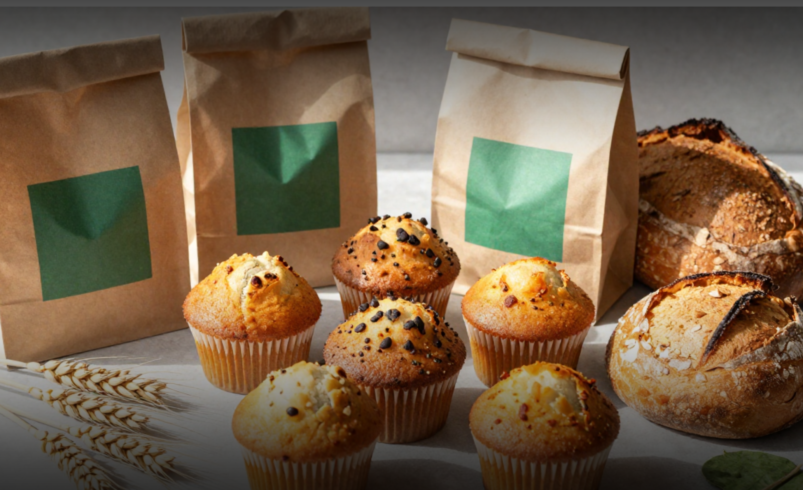

Clean label has become one of the most defining shifts in the bakery industry. In 2026, consumer awareness, regulatory pressure, and brand sustainability are converging to make clean label not just a preference but a necessity. For bakeries, this transformation is about more than removing additives it is about restoring trust and building long-term resilience.
How Clean Label Is Reshaping Bakery Operations
Clean label bakery is built on simple, recognisable ingredients that consumers can understand. Artificial emulsifiers, bleaching agents, synthetic dough conditioners, and excess sugar are increasingly rejected by urban families who scrutinize labels before purchase. Transparency has become the new currency of trust.
For those seeking reliable solutions, Bakery & Confectionery Products suppliers showcase a wide range of verified offerings, everything from breads and cakes to chocolates and pastries, designed to meet diverse consumer needs.
Why Smaller Bakeries Are Turning Toward Clean Label
Small and medium-sized bakeries face challenges such as cost sensitivity, fragmented supply chains, and limited process know-how. Clean label solutions provide a pathway to overcome these hurdles. By replacing synthetic emulsifiers with enzyme-based alternatives, or using sourdoughs and malted grains for texture and stability, bakeries can achieve quality without chemical shortcuts.
According to Deep Market Insights, the global clean‑label bakery market was valued at USD 5.2 billion in 2025 and is projected to grow at a CAGR of 8.0% through 2031, reaching about USD 8.25 billion.
Cost efficiency is another driver. Process optimization through better hydration, fermentation control, and baking profiles reduces reliance on additives and lowers long-term compliance risks. Beyond economics, clean label practices also strengthen consumer trust, a critical advantage in competitive local markets.
Core Systems Reshaping Daily Production Practices
Several core systems are enabling bakeries to achieve clean label standards:
- Natural Functional Systems: Fermented flours, fibres, and malted grains improve texture and shelf life naturally.
- Process Optimisation: Controlled mixing, hydration, and baking reduce defects without chemical correction.
- Technology-Led Solutions: Enzyme-based improvers and fermentation-driven methods replace synthetic conditioners.
- Modern Packaging & Hygiene: Shelf life is extended through better plant design and automation rather than preservatives.
These innovations not only improve product quality but also align with global sustainability goals.
Economic Impact and Industry Growth
Clean label bakery is not a cost burden it is a strategic investment. Products with clean-label claims command a 10–25% price premium, while reducing exposure to regulatory bans and forced reformulations. Export opportunities also expand, with easier acceptance in markets such as the EU, GCC, UK, and North America.
By future-proofing operations, bakeries achieve stable margins, stronger brand credibility, and long-term consumer loyalty.
Pepagora empower manufacturers by connecting them with trusted suppliers and verified products, ensuring smoother adoption of clean label practices.
Emerging Innovations in Clean Label Bakery
Looking ahead, several trends are set to define bakery innovation:
- Digital Transparency: Social media and online platforms amplify consumer scrutiny, making honest labelling essential.
- Regulatory Tightening: Global regulators continue to restrict additive approvals, pushing bakeries toward natural solutions.
- Collaborative Ecosystems: Partnerships between regulators, industry, and academia are accelerating clean label adoption.
Sustainability Integration: Clean label aligns with national health goals and export readiness, making it a shared responsibility.
FAQs
Clean label reduces unnecessary chemicals in daily foods like bread, supporting public health and strengthening consumer trust.
By reducing reformulations and compliance risks, clean-label products achieve stable margins and command premium pricing
Pepagora connects bakeries with verified suppliers, simplifying access to clean-label ingredients and solutions, ensuring reliable sourcing, smoother transitions, and consistent product quality for modern bakery operations.
Natural improvers such as sourdoughs, fibres, and enzyme-based solutions replace emulsifiers and conditioners.
Digital transparency, regulatory tightening, and sustainability-driven innovation will define the industry’s future.

With over 37 years of global experience across India, Africa, the US, and Europe, he has worked with food brands and MSMEs to develop scalable bakery and nutrition-focused products.
With a strong focus on millet- and Makhana-based solutions, he aims to support readers in understanding modern food innovation and product development through well-structured and informative content.