

The agri-industry plays a vital role in the development of many countries, especially in India and other developing economies where a large portion of the population still depends on agriculture for their livelihood. According to the World Bank, agriculture, forestry, and fishing contributed around 16.3% to India’s GDP in 2024, while employing about 43.5% of the workforce per ILO estimates, underscoring its continued economic importance despite a declining GDP share.
Traditionally, agriculture was seen mainly as a farming activity focused on crop cultivation and livestock production. However, over time the sector has evolved into a complex industry that connects farmers, suppliers, processors, exporters, logistics providers, and global buyers. Today, the agri-industry includes not only farming but also food processing, packaging, cold storage, transportation, and international trade.
For B2B buyers and sourcing companies, identifying reliable suppliers is critical for maintaining consistent supply chains. Businesses must evaluate supplier capabilities, product quality standards, and logistics reliability before entering long‑term partnerships. As international trade expands, building strong supplier networks has become a strategic priority for companies operating in the food and agriculture sector.
India’s Strength in Agricultural Production
India is one of the world’s largest agricultural producers, supported by diverse climatic conditions and extensive farming regions. The country produces a wide range of agricultural commodities including cereals, pulses, spices, fruits, vegetables, and oilseeds. These products are consumed domestically while also being exported to markets across Asia, Europe, the Middle East, and North America.
Among the most widely traded agricultural products from India are rice, wheat, turmeric, cumin, tea, coffee, and a variety of fresh fruits and vegetables. The country is particularly known for premium basmati rice exports and its strong presence in the global spice trade.
For global importers and wholesalers, India offers several sourcing advantages including competitive pricing, high production capacity, and a wide product variety. Procurement teams in the food industry can strengthen sourcing strategies by working with reliable Food and Agriculture supplier partners that provide consistent quality agricultural products and raw materials. Collaborating with experienced suppliers helps food manufacturers, processors, and exporters maintain stable supply chains and meet production demand efficiently.
Technology Adoption in Modern Agriculture
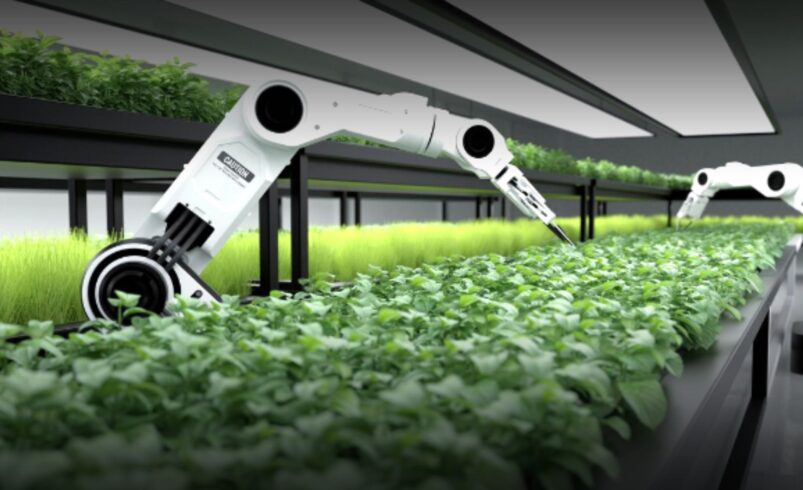
Technological innovation is reshaping modern agriculture and improving efficiency across the entire supply chain. Farmers are increasingly adopting tools such as precision farming technologies, drones for crop monitoring, soil testing systems, and smart irrigation solutions.
For example, drip irrigation and sprinkler irrigation systems allow farmers to use water more efficiently compared to traditional irrigation methods. These technologies are especially valuable in regions facing water scarcity and unpredictable rainfall patterns.
Drones are also becoming an important tool for agricultural monitoring. They help farmers analyze crop health, identify pest infestations, and monitor soil conditions. By identifying issues early, farmers can reduce crop losses and improve yield quality.
Another important development is the growing adoption of biofertilizers and biopesticides. These eco-friendly agricultural inputs reduce dependency on chemical fertilizers and help promote sustainable farming practices.
For businesses involved in agricultural production and supply chains, technology adoption improves operational efficiency, enhances product quality, and strengthens traceability across the supply chain.
Expanding Food Processing and Agri-Based Industries
The agri-industry is not limited to farming alone. A large ecosystem of supporting industries plays a major role in transforming raw agricultural produce into value-added products.
Food processing companies convert agricultural commodities into packaged foods, ready-to-cook products, frozen foods, and processed ingredients. These products often have longer shelf lives and can be transported across international markets more efficiently.
Packaging is another crucial component of the food supply chain. Proper packaging protects food products from contamination, maintains freshness, and prevents damage during transportation. This is especially critical for export markets, where products often travel long distances before reaching their destination.
Cold storage facilities and modern logistics infrastructure are also essential for maintaining product quality. Without adequate storage systems, a significant portion of perishable produce such as fruits and vegetables can be lost before reaching the market.
Businesses that invest in modern storage technologies, packaging solutions, and logistics systems are better positioned to compete in global food trade markets.
New Opportunities for Agribusiness Entrepreneurs
A notable shift in the agri-industry is the increasing participation of young entrepreneurs in agriculture-related businesses. Agriculture is no longer viewed only as traditional farming but as a sector with strong business potential.
Many young entrepreneurs are launching innovative ventures such as organic farming, mushroom cultivation, beekeeping, hydroponic farming, and agri-tech startups. Farmer Producer Organizations (FPOs) and Self Help Groups (SHGs) are also helping small farmers collaborate and gain better access to markets.
These initiatives not only generate new income opportunities but also support rural development and sustainable agricultural practices. Digital tools and online marketplaces are making it easier for farmers and agribusinesses to connect with buyers and distributors.
Key Challenges in the Food and Agriculture Industry
Despite strong growth potential, the agricultural sector continues to face several challenges. One of the major issues is supply chain inefficiency. Many agricultural products are highly perishable, making efficient storage, packaging, and transportation systems essential to maintain quality and minimize post-harvest losses.
Price volatility is another common challenge. Commodity prices can fluctuate due to weather conditions, global demand changes, and supply disruptions.
Export regulations also create complexities for businesses aiming to enter international markets. Food exporters must comply with strict quality standards, safety certifications, and documentation requirements.
Companies that focus on consistent product quality, proper certifications, and reliable logistics infrastructure are more likely to build long-term relationships with global buyers.
Future Outlook for the Agri-Food Industry
The future of the agri-industry depends on how effectively traditional farming knowledge can be integrated with modern technology, innovation, and digital trade platforms.
With the global population continuing to grow, demand for agricultural commodities and processed food products will steadily increase. This will create new opportunities for farmers, food manufacturers, exporters, and agribusiness companies.
Modern B2B sourcing platforms are also playing an important role in improving global supplier discovery. Platforms such as pepagora help buyers to explore supplier catalogs, evaluate manufacturers, and connect directly with businesses across the food and agriculture ecosystem.
At the same time, sustainability will become an increasingly important priority. Practices such as organic farming, responsible water usage, eco-friendly fertilizers, and efficient supply chains will shape the next phase of agricultural development.
Businesses that invest in innovation, maintain high quality standards, and strengthen their supplier networks will be best positioned to capture opportunities in the expanding global agri-food economy.
FAQs
Technologies such as drones, precision farming tools, and smart irrigation help farmers monitor crops and manage resources efficiently. These innovations improve productivity and crop quality.
India produces a wide variety of crops such as rice, spices, pulses, and fruits due to its diverse climate. This large production capacity makes it an important sourcing destination for global buyers.
Agricultural supply chains often face issues such as poor storage, transportation delays, and post-harvest losses. These challenges can affect product quality and market availability.
Entrepreneurs can explore opportunities in organic farming, agri-tech startups, food processing, and hydroponic farming. These sectors are growing due to increasing demand for sustainable food production.
Pepagora helps B2B buyers explore supplier listings and connect with food and agriculture businesses. It simplifies supplier discovery and supports global sourcing.

Akshay is particularly interested in encouraging youth participation and promoting forward-thinking agricultural approaches. With a strong passion for learning and knowledge sharing, he aims to support readers in understanding modern agricultural trends, practices, and solutions through well-structured and informative content.