
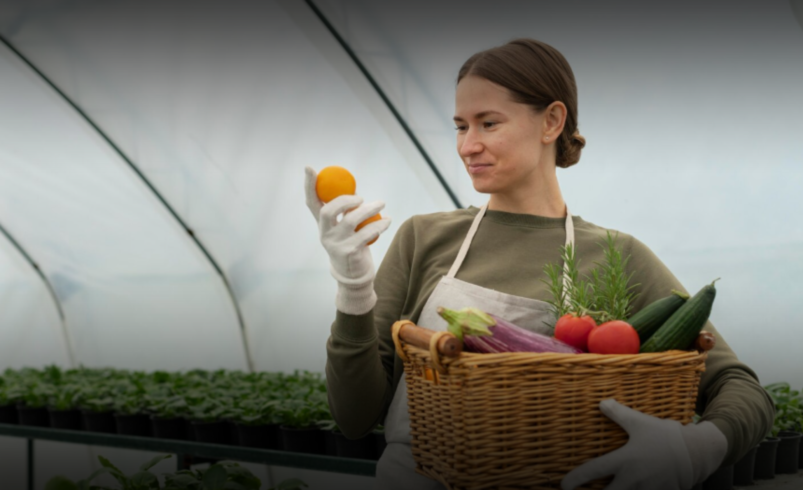

Strengthening Agricultural Value Chains
Emerging technologies, new market challenges, and sustainability demands are reshaping global supply landscapes. At the heart of these shifts, Food & Agriculture responds by adapting production, processing, and supply chain strategies.
Agriculture today sits at the intersection of productivity, sustainability, value addition, and global market access. The agriculture and food processing sector plays a critical role in advancing horticulture export crops such as French beans and tomatoes, alongside tea and coffee production, processing, and value addition. Industry efforts span farm-level production systems, processing optimization, quality assurance, certification compliance, and export market readiness for both local and international buyers.
There is a growing focus on integrating data-driven decision-making, farmer capacity building, and sustainable practices to improve efficiency and product quality across agricultural value chains. Strengthening linkages between producers, processors, and markets remains central to long-term sectoral growth and competitiveness.
Technology Paving the Path Forward
Modern advances such as precision agriculture, AI-driven weather prediction, and real-time soil monitoring are now becoming mainstream features. These technologies help farmers optimize input use, minimize waste, and ensure each hectare yields its potential. Through mobile apps and sensors installed on equipment, even smallholder farmers are joining the digital revolution and benefiting from smarter choices.
Sustainability and Shared Prosperity
With climate change elevating the stakes, there’s a shift toward practices like regenerative farming, reduced chemical input, and water conservation. Vertical farms in cities bring fresh food closer to the point of consumption, cutting emissions from transport and reducing loss.
Innovative companies are introducing digital tools that streamline operational processes and connect growers with reliable processors and buyers, making supply chains more agile and transparent, a transition supported by partners such as Pepagora.
Industry Insights: Data Table
Innovation | Benefit | Adoption Rate (%) |
Precision Agriculture | Higher yields, less waste | 62 |
Vertical Farming | Fresh local produce, water saved | 38 |
AI & Data-Driven Tools | Better forecasts, decisions | 54 |
Regenerative Practices | Soil recovery, eco-balance | 41 |
Adoption of these innovations signals a proactive stance. As more value chains incorporate advanced tools and capacity-building initiatives, the sector is empowering both large and small producers to compete globally while ensuring product quality and supply security.
For further details on global standards and sustainable practices, visit the Food and Agriculture Organization.
The Road Ahead: Building a Sustainable Food Future
Looking to the future, close collaboration and ongoing adaptation will be crucial. Producers, processors, and markets are increasingly intertwined by technology and responsible approaches. By embracing innovation, strengthening partnerships, and upholding sustainability, the Food & Agriculture sector is laying a strong foundation for a resilient and inclusive tomorrow.
FAQs
It empowers better resource use and improved yield predictions.
It uses minimal land and water to deliver local produce year-round.
Digital tools connect producers and buyers, making trade faster and more transparent.
Improvements in quality and certification open access to high-value markets.
Collaboration and investment in people, tech, and sustainable methods.

He specializes in horticulture exports, tea and coffee value addition, quality management systems, and certification frameworks that enhance global market access.
His insights center on strengthening market-driven value chains, improving compliance standards, and enabling scalable agribusiness growth through structured quality and export readiness strategies.