
Aquaculture has become one of the fastest-growing food sectors worldwide, and in 2026, equipment innovation is at the heart of this transformation. Farmers are increasingly relying on advanced tools to meet rising seafood demand, reduce costs, and ensure sustainable practices. From automated feeders to water-quality monitoring systems, technology is reshaping how fish farms operate, making productivity gains more accessible than ever before.
The Expanding Role of Technology in Farm Operations
Aquaculture technology has evolved from supportive tools into essential systems that drive efficiency. Automated feeders, oxygen regulators, and water-quality sensors ensure fish stocks thrive under optimal conditions.
According to the Food and Agriculture Organization (FAO), aquaculture production reached 94.4 million tonnes in 2022, underscoring the sector’s reliance on mechanization for growth.
Digital dashboards now allow farmers to monitor feeding schedules, growth rates, and environmental changes in real time. This precision reduces waste, minimizes mortality, and ensures consistent production cycles, making technology indispensable for modern aquaculture.
Why Smaller Producers Are Turning to Advanced Tools
Small and medium-sized fish farmers are increasingly adopting advanced equipment to overcome challenges such as labor shortages and rising input costs. Automated aerators and compact feeding systems reduce dependence on seasonal labor while improving consistency in fish growth.
Cost efficiency is another driver. Mechanization can reduce operational costs by 15–25%, a crucial margin for smallholders competing in regional markets. Beyond economics, modern tools also improve safety by reducing the physical strain of manual feeding and water management.
For those seeking reliable solutions, the Aquaculture and Fisheries Equipment Manufacturers in Pepagora showcases a wide range of verified products and suppliers designed to meet the needs of both small scale and large scale producers.
Core Systems Reshaping Daily Production Practices
Several core systems are transforming aquaculture operations in 2026:
- Automated Feeders: Deliver precise feed distribution, reducing waste and improving feed conversion ratios.
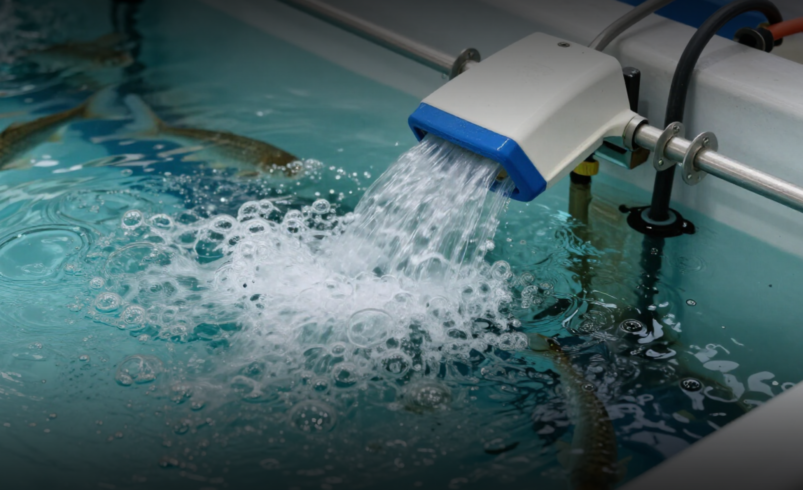
- Aeration Systems: Maintain dissolved oxygen levels, critical for fish health and growth.
- Water Quality Sensors: Provide real-time data on pH, ammonia, and temperature, enabling quick corrective action.
- Recirculating Aquaculture Systems (RAS): Recycle water efficiently, reducing environmental impact and improving sustainability.
The International Aquaculture Research Center notes that farms using RAS can achieve up to 40% higher yields compared to traditional pond systems, highlighting the transformative role of these technologies.
Economic Impact and Industry Growth
Aquaculture equipment is not just improving productivity, it is reshaping industry economics. By reducing input costs and increasing yields, farmers achieve faster returns on investment. Mechanized aquaculture systems often deliver ROI within two to three production cycles, compared to five or more cycles under manual methods.
Globally, aquaculture now accounts for more than half of the world’s fish supply, with mechanization being a key driver of this growth. Pepagora empowers aquaculture equipment manufacturers to grow by connecting farmers with trusted suppliers and providing access to reliable, high-quality tools.
Trends Shaping Future Industry Progress
Looking ahead, several trends are set to define aquaculture in 2026 and beyond:
- AI-Driven Monitoring: Artificial intelligence is being integrated into sensor systems to predict disease outbreaks and optimize feeding schedules.
- Sustainable Practices: Equipment designed for energy efficiency and reduced environmental impact is gaining traction.
- Blockchain in Supply Chains: Transparency in sourcing and distribution is becoming vital, with blockchain-enabled equipment tracking ensuring credibility.
- Integration with Renewable Energy: Solar-powered aerators and feeders are reducing dependence on grid electricity, lowering costs for rural farmers.
These innovations not only improve productivity but also align aquaculture with global sustainability goals. Farmers adopting these tools are better positioned to meet rising consumer demand for responsibly sourced seafood.
FAQs
Aquaculture equipment helps farmers manage feeding, oxygen, and water quality. These tools reduce waste, improve fish health, and increase yields, making fish farming more efficient and profitable compared to manual methods.
Modern equipment lowers costs by reducing labor needs and feed waste. Automated feeders and sensors improve efficiency, prevent losses, and help farmers achieve better returns on investment with fewer resources.
Pepagora connects farmers with trusted aquaculture equipment suppliers. It makes sourcing easier by offering verified products, helping manufacturers grow while ensuring farmers access reliable tools for better productivity.
Farmers use automated feeders, aeration systems, water-quality sensors, and recirculating aquaculture systems. These tools improve fish health, reduce risks, and help farmers achieve higher yields while keeping operations sustainable and efficient.
Trends include AI-driven monitoring, renewable energy-powered systems, and blockchain transparency. These innovations make aquaculture more efficient, sustainable, and competitive, helping farmers meet growing demand for responsibly sourced seafood worldwide.

He has experience working with modern systems such as RAS and Biofloc, along with farm management, feed preparation, and fish health.
Sumanthkumar has worked on farmer guidance and aquaculture product engagement, enabling him to connect technical knowledge with practical industry understanding.
With a strong focus on curiosity, diligence, and continuous learning, he aims to support readers in understanding modern aquaculture trends, technologies, and solutions through well-structured and informative content.