
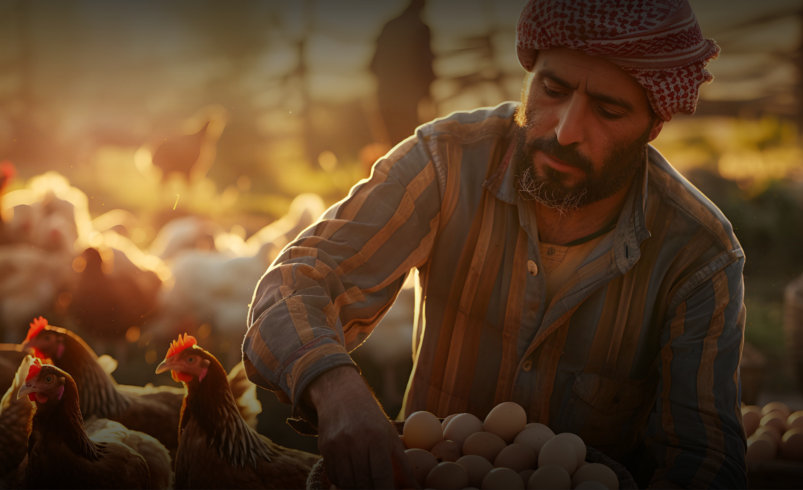

Poultry has become one of the most dynamic food sectors worldwide, yet its reputation as a quick-return cashflow business often misleads newcomers. On paper, the 42-day production cycle looks attractive: fast turnover, steady demand, and seemingly predictable profits. In reality, poultry is far more complex. Success depends not only on market timing but also on science, infrastructure, and disciplined management.
The Expanding Role of Science in Poultry Operations
Poultry farming has evolved from traditional practices into a science-driven enterprise. Biosecurity protocols, proper downtime between batches, and controlled movement of people and vehicles are no longer optional. They are essential systems that safeguard flocks and stabilize production.
Why Smaller Producers Struggle With Cashflow
Small and medium-scale poultry farmers often enter the business expecting quick returns. However, they face challenges such as:
- Feed price volatility that erodes margins
- Sudden market demand shifts that affect selling prices
- Disease outbreaks that can wipe out entire flocks in a single day
Unlike other businesses, poultry offers no exit option once chicks are placed. Farmers must manage the flock until the end of the cycle, regardless of market conditions. This locked-in nature makes poultry a misunderstood cashflow business where discipline and foresight matter more than short-term gains.
Core Systems Reshaping Daily Practices
Several systems are transforming poultry operations today:
- Automated Feeders: Deliver precise feed distribution, reducing waste and improving feed conversion ratios
- Climate-Control Systems: Maintain optimal temperature and humidity, critical for bird health
- Biosecurity Infrastructure: Restricts disease spread by controlling movement of people and vehicles
- Digital Monitoring Tools: Track growth rates, feed intake, and environmental changes in real time
For those seeking reliable solutions, Poultry Farming Equipment suppliers in pepagora showcase a wide range of verified products designed to meet the needs of both small and large-scale producers.
Economic Impact and Industry Growth
Poultry equipment is not just improving productivity. It is reshaping industry economics. By reducing input costs and stabilizing operations, farmers achieve faster returns on investment. Mechanized systems often deliver ROI within two to three production cycles compared to five or more cycles under manual methods.
According to the OECD-FAO Agricultural Outlook 2023-2032, poultry meat is expected to account for nearly half of the growth in global meat production through 2032. This projected expansion, driven by productivity improvements and efficient farm management, reinforces why structured systems and modern equipment are no longer optional investments.
Yet profitability is not guaranteed. High revenue does not automatically translate into high profit. Infrastructure choices, feed management, and disease prevention all determine whether cashflow remains positive.
Trends Shaping Future Poultry Progress
The future of poultry farming is being shaped by several important developments that go beyond traditional methods:
- Smart Monitoring Systems: Sensors and digital dashboards are increasingly used to track bird health, feed intake, and environmental conditions, allowing farmers to respond quickly to potential issues.
- Energy-Efficient Infrastructure: Equipment designed to reduce power consumption is helping farms cut costs while lowering environmental impact.
- Data Transparency Tools: Systems that record and share production data are improving accountability and building trust across supply chains.
- Renewable Energy Integration: Solar-powered feeding and climate-control systems are reducing dependence on grid electricity, particularly in rural areas.
These innovations are not just about technology. They represent a shift toward sustainability, efficiency, and resilience. Farmers who adopt them are better positioned to manage cashflow effectively while meeting growing consumer demand for responsibly produced food.
Pepagora empowers poultry equipment manufacturers to grow by connecting farmers with trusted suppliers and providing access to reliable, high-quality tools that strengthen long-term productivity.
FAQs
Poultry generates revenue quickly due to short production cycles, but unpredictable feed costs, disease risks, and market fluctuations make cashflow management far more complex than it appears.
Profitability depends on efficiency and discipline. High revenue does not guarantee high profit unless farmers control feed costs, maintain biosecurity, and make infrastructure decisions based on science.
Modern equipment reduces labor dependency, ensures consistent feeding, and stabilizes climate control. These improvements lower hidden costs, improve bird health, and help farmers maintain steady cashflow across production cycles.
Farmers rely on automated feeders, drinkers, ventilation systems, and monitoring tools. These systems improve efficiency, reduce risks, and support healthier flocks, making poultry farming more predictable and sustainable.
Pepagora connects farmers with verified poultry equipment suppliers, simplifying sourcing and ensuring access to reliable tools that improve productivity, reduce risks, and strengthen long-term business sustainability.

As a third generation poultry entrepreneur from India, he has experience across operations, sales, and market strategy within the sector.
Shubham writes on building scalable, cashflow driven agri businesses from the ground up, connecting practical experience with real world market insights.
With a strong focus on industry relevance, practical understanding, and business driven perspectives, he aims to support readers in understanding modern agricultural business trends, strategies, and solutions through well structured and informative content.